
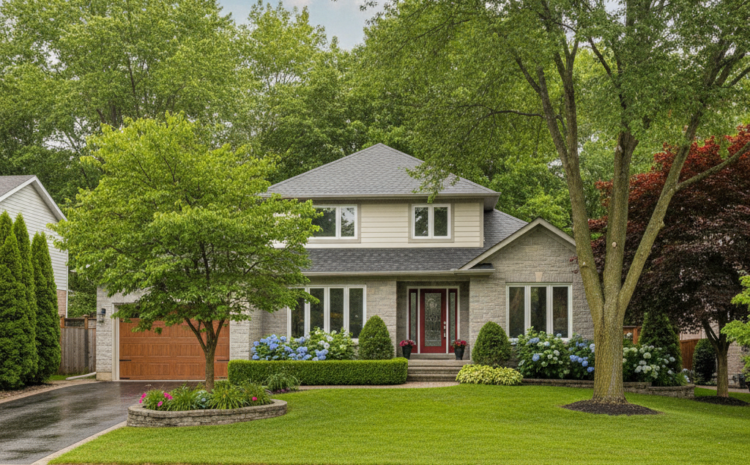
Home Insurance Cost: Why Some Homes Pay Less in 2026
Typical home insurance cost refers to the premium a homeowner pays for protection against covered risks to the dwelling, contents, and liability. While exact prices vary by risk profile, you can influence what you pay by improving safety, choosing the right limits, and bundling coverage. From our Whitby office at 400 Dundas St E G-T4A, we help Ontario homeowners compare options.
By Chase Insurance Brokers Ltd. · Last updated: 2026-06-21
Above the Fold: What You’ll Learn
This guide explains what drives home insurance cost in Ontario and how to manage it without sharing price figures. You’ll see which factors matter most, how policy types compare, and practical steps Whitby homeowners can take to keep premiums efficient while staying properly covered.
If you’re researching typical home insurance cost, start here. We focus on controllable factors, not numbers, so you can take action today.
- Understand drivers: Construction, updates, location, and claims history shape premiums.
- Choose smart coverage: Deductibles, endorsements, and liability limits affect value.
- Prevent losses: Water sensors, alarms, and maintenance can reduce risk.
- Leverage bundling: Auto + home with one broker often improves pricing efficiency.
- Compare confidently: As a brokerage, we match you with multiple Canadian insurers.
Summary: At a Glance
Home insurance cost is determined by rebuild value, coverage selections, and risk controls. The most effective steps are preventing water damage, modernizing electrical and plumbing, using monitored alarms, and bundling policies. A local broker can compare insurers quickly and tailor coverage to your situation.
Here’s how Ontario homeowners can act fast, without wading through pricing charts.
- Set accurate rebuild value: It guides dwelling limits and replacement cost estimates.
- Document belongings: Maintain a photo inventory to right-size contents coverage.
- Add key endorsements: Consider sewer back-up, overland water, and service line where available.
- Control exposure: Install leak sensors, sump pumps with battery backup, and monitored smoke/CO alarms.
- Review annually: Life changes (renos, new valuables) warrant a quick coverage check.
- Compare markets: We place business with Aviva, Intact, Economical, Echelon, Jevco, Premier, and more.
What Is “Typical Home Insurance Cost”?
“Typical home insurance cost” describes the premium you pay for homeowners coverage based on your home’s rebuild value, location, updates, claims history, and selected limits. There’s no one-size-fits-all price. The right strategy is to optimize risk and compare multiple insurers through a licensed Ontario broker.
In practical terms, your premium reflects underwriting judgments about loss likelihood and rebuild expense. That’s why two similar homes on different streets can rate differently. It’s also why smart changes—like replacing knob-and-tube wiring or adding a monitored alarm—often influence the result.
How coverage structure shapes what you pay
- Dwelling (Coverage A): Set to estimated rebuild value, not the market price of your property.
- Other Structures (Coverage B): Detached garages, sheds, and fences; limits often tied to Coverage A.
- Personal Property (Coverage C): Contents protection; consider special limits for jewelry, bikes, or collectibles.
- Loss of Use (Coverage D): Additional living expenses if a covered loss makes the home uninhabitable.
- Personal Liability: Pays for covered claims if you’re legally responsible for injury or damage.
- Deductible: Your share of a covered loss; higher deductibles can reduce premiums but increase out-of-pocket risk.
Endorsements many Ontario homeowners consider
- Sewer Back-Up: Helps with water that backs up from sewers or drains.
- Overland Water: For certain forms of fresh water entering from outside, where available.
- Service Line: Underground utility lines on your property.
- Equipment Breakdown: For covered household systems like HVAC.
- Scheduled Personal Articles: Higher-value items listed with agreed coverage.
Not sure which apply? Our Whitby team reviews your property details and recommends a balanced set of protections based on your home’s design, upgrades, and local exposures.
Why Home Insurance Cost Matters
Premiums reflect risk. The best approach is to reduce loss likelihood and confirm limits match today’s rebuild and liability realities. When coverage and risk controls align, you pay for protection that actually fits—helping satisfy lenders and providing financial resilience after a covered claim.
Here’s the thing: homeowners often focus only on price. The smarter path is value—coverage aligned with how you live and what you own, supported by sensible prevention steps. That mix protects your budget and speeds recovery if the unexpected happens.
Budget certainty and financial resilience
- Avoid coverage gaps: Right-sized limits and endorsements reduce surprise expenses after a loss.
- Protect cash flow: Loss of use benefits can cover temporary housing during repairs (subject to terms).
- Safeguard net worth: Higher liability limits can help defend against large claims.
Mortgage and legal requirements
- Lender expectations: Most mortgages require proof of homeowners insurance before closing.
- Condo bylaws: Owners are typically responsible for contents and improvements; corporations insure the building envelope.
- Landlord duties: Rental property policies may require disclosures about tenants and building updates.
Claims experience and peace of mind
- Faster recovery: Clear documentation and an updated inventory accelerate claims handling.
- Better outcomes: Proactive maintenance reduces both frequency and severity of losses.
- Consistent review: Annual check-ins capture renovations, new valuables, or lifestyle changes.
How Home Insurance Pricing Works in Ontario
Insurers estimate loss probability and rebuild expense using details about your home, coverage selections, and prevention measures. In Ontario, water damage, electrical and plumbing age, roofing condition, and alarm monitoring are key inputs. A broker compares multiple carriers to find the best fit for your profile.
From Whitby in the Regional Municipality of Durham to Toronto and beyond, underwriters evaluate similar categories—but each company weighs them differently. That’s why a comparison approach often finds a better match for your home and risk controls.
Key factors most carriers evaluate
- Home characteristics: Year built; construction type; roof age/material; electrical (e.g., breakers vs. fuse, aluminum vs. copper); plumbing (e.g., polybutylene vs. PEX/copper); heating type.
- Location signals: Local fire protection; distance to hydrant; exposure to water sources; neighborhood claim trends.
- Coverage choices: Dwelling limit accuracy; endorsements; liability limit; deductible level.
- Risk controls: Central-station alarms; water shutoff valves; leak sensors; sump pump with battery backup; backwater valve.
- History: Prior claims; recent renovations; occupancy type (owner-occupied vs. rental); short-term rental activity.
Local considerations for Whitby
- When you’re near downtown transit like Dundas St. @ Brock St., street parking and mixed-use buildings may require tailored liability and property endorsements.
- Community hubs such as the Whitby Public Library – Central Library can increase foot traffic near certain properties; discuss liability limits and premises maintenance.
- Seasonal freeze-thaw cycles call for gutter cleaning, proper grading, and sump pump testing before spring melt.
Want a personalized review? See our quick comparison guidance in the home insurance comparison guide and connect with our team for next steps.
Policy Types Compared: Homeowners vs. Condo vs. Tenant vs. Landlord
Different policy forms protect different interests. Homeowners insure the building and belongings; condos cover contents and unit improvements; tenant policies cover renters’ belongings and liability; landlord policies insure rental dwellings and landlord liability. The right form aligns with how you own or occupy the property.
Choosing the correct policy type is the first lever in controlling your eventual premium because it aligns coverage with actual exposure. Here’s a simple comparison to clarify what each typically addresses.
| Policy Type | Who It’s For | Insures the Building? | Insures Contents? | Loss of Use | Liability | Common Endorsements |
|---|---|---|---|---|---|---|
| Homeowners | Owners living in a house | Yes (dwelling) | Yes | Yes | Yes | Sewer back-up; overland water; service line |
| Condo | Unit owners | No (building insured by corporation) | Yes | Yes | Yes | Unit improvements; loss assessment; water endorsements |
| Tenant | Renters | No | Yes | Yes | Yes | Scheduled items; water endorsements |
| Landlord | Owners renting out the home | Yes (rental dwelling) | Limited (landlord-owned items) | Optional/varies | Yes (landlord liability) | Rented premise endorsements; loss of rents (where available) |
For a deeper dive on form differences, see our condo vs. home comparison and our overview of tenant insurance in Ontario.
Best Practices to Lower Your Premium Without Sacrificing Coverage
Reduce risk first, then optimize coverage. Water protection, electrical and plumbing updates, monitored alarms, and thoughtful deductibles typically offer the biggest impact. Bundling your home and auto through one broker can also improve efficiency while simplifying service and billing.
In our experience helping homeowners across Ontario, these are the practical, high-yield actions that protect families and may improve your premium position.
High-impact prevention moves
- Stop water losses: Install leak sensors near water heaters, dishwashers, and laundry; add a backwater valve and a sump pump with battery backup.
- Modernize systems: Replace knob-and-tube or aluminum wiring (where present) and aging polybutylene supply lines; add arc-fault and GFCI protection where appropriate.
- Harden the exterior: Maintain a roof in good condition; seal around windows/doors; confirm proper lot grading.
- Monitored alarms: Use centrally monitored smoke, CO, and burglary alarms for prompt response.
- Fire protection: Keep extinguishers on each level; clean dryer vents; store lithium battery devices safely.
Smart coverage choices
- Right-size limits: Confirm dwelling, contents, and liability match your assets and rebuild needs.
- Thoughtful deductibles: Choose a deductible that balances premium efficiency with your emergency fund.
- Tailored endorsements: Add sewer back-up, overland water, and service line where risk suggests.
- Bundle and compare: Ask us to review home and auto together across multiple insurers.
Ready to explore options? Start with our homeowners insurance save-more guide or our quick primer on Ontario home insurance costing factors.
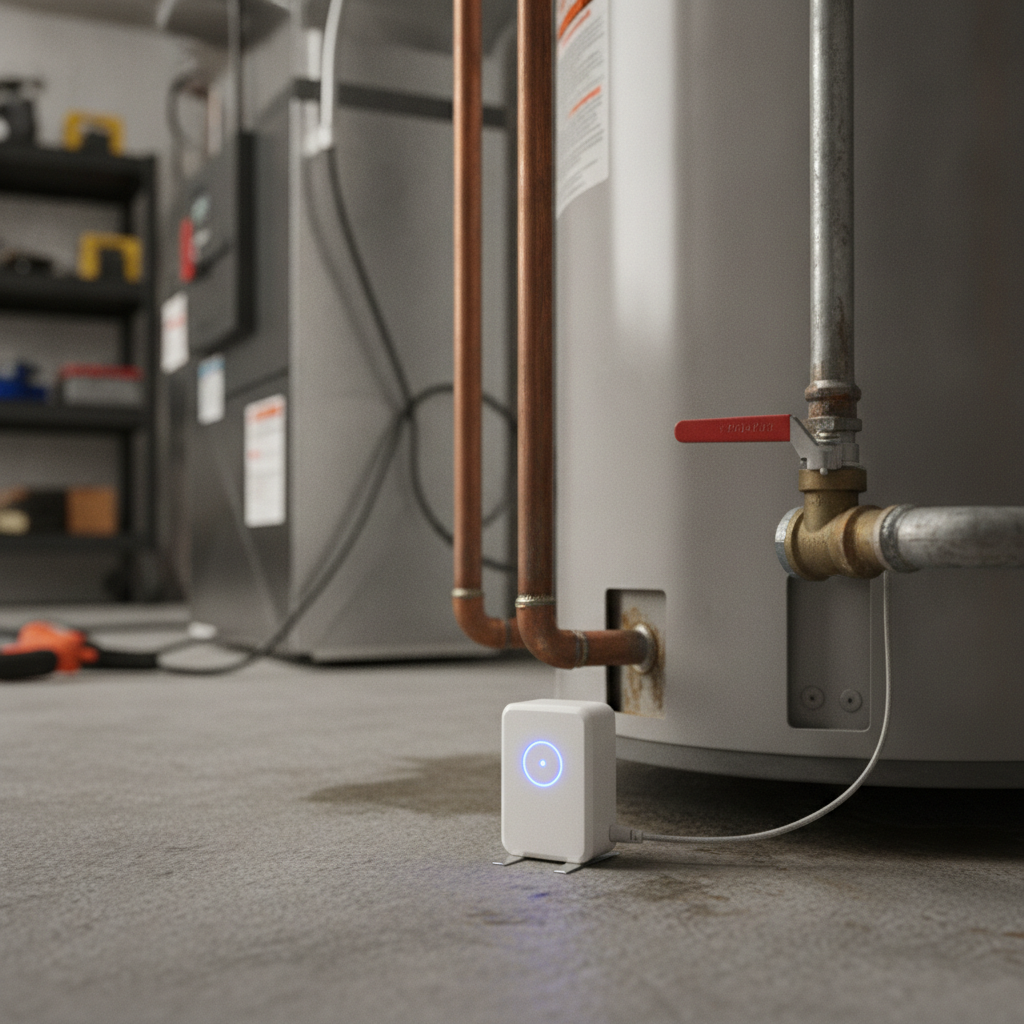
Tools and Resources Ontario Homeowners Actually Use
Simple tools make a measurable difference: water leak sensors, smart shutoff valves, backwater valves, and monitored alarms help prevent large losses. A current home inventory and maintenance calendar streamline claims and reduce surprises at renewal time.
We’ve found that small, proactive tweaks add up to meaningful risk reduction. Consider these practical tools.
- Leak detection: Sensors under sinks, near water heaters, and in laundry areas; connected shutoff valves for quick response.
- Backwater + sump: Protects the basement during heavy rain; test pumps every season.
- Monitored security: Central-station smoke, CO, and intrusion monitoring.
- Home inventory: Use your phone to capture room-by-room photos and serial numbers; store in the cloud.
- Maintenance tracker: Calendar reminders for gutter cleaning, furnace service, roof inspections, and dryer vent cleaning.
When you’re ready, we’ll compare multiple carriers for you in one pass. Our quick guide on comparing home coverage explains how we line up quotes and identify the best fit.

Case Studies: Ontario Homes We Serve
Real homes, real decisions. These anonymized Ontario scenarios show how prevention and coverage adjustments can improve insurability and support better outcomes—without talking dollars. Each example reflects common property profiles we review daily from our Whitby office.
Whitby family in a 1990s detached home
- Challenge: Finished basement with a history of minor seepage during spring thaw.
- Actions: Installed a backwater valve, added a battery-backed sump, placed leak sensors by the water heater and laundry.
- Coverage: Confirmed sewer back-up and overland water endorsements; reviewed deductible strategy.
- Result: Lower water exposure and clearer claims plan, plus stronger confidence at renewal.
Toronto condo owner
- Challenge: Building’s deductible increased; bylaws require unit improvements coverage.
- Actions: Added unit improvements coverage and loss assessment; validated contents limits.
- Result: Policy aligned with corporation rules and reduced the risk of out-of-pocket assessments.
Durham landlord with an accessory unit
- Challenge: Rental suite added; insurer requested electrical and heating details.
- Actions: Documented permits and upgrades; confirmed landlord liability and loss of rents where available.
- Result: Clear underwriting file and appropriate landlord protections for the new unit.
Thinking about similar changes? Start a quick comparison using our property insurance checklist or speak with our team.
Ontario Trends in 2026 That Influence Home Insurance Pricing
Rebuild expense, water-related claims, and local building activity all influence premiums. Market conditions and property updates across Ontario—especially plumbing, electrical, and roofing—shape underwriting decisions. Homeowners who invest in prevention and documentation tend to see steadier experiences at renewal.
When homebuying activity rises, more renovations follow, and rebuild estimates get revisited. That can change how dwelling limits and endorsements are evaluated. For new buyers learning closing logistics, this Ontario closing cost explainer helps you plan for non-insurance expenses that arrive before move-in day.
Broader real estate trends can affect material and labor availability. A recent Ontario real estate overview outlines neighborhood movement and renovation interest—helpful context as you consider rebuild values and potential timelines for major repairs.
Water remains a leading driver of residential property claims in Canada. Managing indoor usage and spotting leaks early protects your home and budget. For a day-to-day perspective, see this review of typical Toronto water usage patterns and consider how a small, constant leak can compound into damage if it goes unnoticed.
Comparison: How We Shop Multiple Insurers for You
Brokers streamline the process by gathering your details once, aligning coverage goals, and then running quotes with multiple Canadian insurers. We compare forms, endorsements, discounts, and eligibility so you can choose a fit that balances protection, convenience, and long-term stability.
At Chase Insurance Brokers, we routinely compare options with Aviva, Intact, Economical, Echelon, Jevco, Premier, and other markets. Our role is to translate underwriting requirements into plain English and help you decide which coverage and prevention mix makes sense for your property.
- Discovery: We confirm property specifications, updates, and any prior claims.
- Coverage design: We tailor limits, deductibles, and endorsements to your goals.
- Market comparison: We run quotes with multiple carriers and capture key differences.
- Recommendation: We align the coverage stack with your risk controls and service preferences.
- Onboarding: We finalize documents, issue proof of insurance, and set your review cadence.
If you’re considering bundling, our quick review of strategies in the auto savings guide explains how home and auto often work together.
Why This Also Matters for Life Insurance Planning
Homeowners coverage protects property and liability; life insurance protects income and debts. Aligning both ensures the mortgage and living costs remain covered if the unexpected happens. Reviewing them together helps you build a more resilient household plan.
We often coordinate homeowner and life insurance reviews in the same conversation. That way, your property protection and family income safeguards are aligned, and you’re not over- or under-insured in either area.
Frequently Asked Questions
These concise answers cover common questions Ontario homeowners ask about coverage, eligibility, claims, and savings tactics—without discussing prices. Each response is designed for quick reading and voice assistants.
What affects my homeowners insurance premium the most?
Underwriters look at rebuild value, age and type of electrical and plumbing, roof condition, water exposure, prior claims, and your coverage choices. Monitored alarms, leak sensors, and system upgrades are high-impact ways to reduce risk and support better pricing outcomes over time.
Is condo insurance the same as home insurance?
No. Condo policies usually cover your contents, liability, and unit improvements, while the building envelope is insured by the condo corporation. Homeowners policies insure the entire house structure plus contents and liability. Each form has endorsements tailored to its risks.
How can I prepare for a smoother home insurance claim?
Keep a current photo inventory, store key receipts in the cloud, test smoke/CO alarms monthly, and install water leak sensors near high-risk fixtures. After a loss, take photos, prevent further damage if safe, and contact your broker promptly to review next steps.
Can bundling home and auto actually help?
Often, yes. Placing your home and auto with the same insurer through a broker can unlock multi-line efficiencies and streamline service. It also puts your policies on a single review cycle, making it easier to keep coverage aligned with life changes.
What updates should I tell my broker about?
Notify your broker about renovations, a new roof, electrical or plumbing upgrades, finishing a basement, installing a monitored alarm, purchasing high-value items, or adding an accessory dwelling unit. These details help ensure your limits and endorsements remain accurate.
Wrap-Up and Next Steps
To influence your homeowners premium, control risk and align coverage—then compare markets. Focus on water protection, system updates, monitored alarms, and accurate limits. A local Whitby broker can translate underwriting into plain English and coordinate quotes efficiently.
- Key takeaways: Prevent water losses, modernize systems, use monitored alarms, keep an inventory, bundle thoughtfully, and review annually.
- Action steps: Book a quick review, confirm rebuild and contents limits, and line up a multi-insurer comparison.
- Soft CTA: Prefer a consultative walk-through? Our team in Whitby is ready to help.
Ready to see your options? Schedule a conversation with Chase Insurance Brokers Ltd. in Whitby for a tailored comparison and guidance that fits your home and goals.
Get a tailored review: We’ll confirm coverage fit, identify risk controls, and compare multiple Canadian insurers—all from one conversation.