
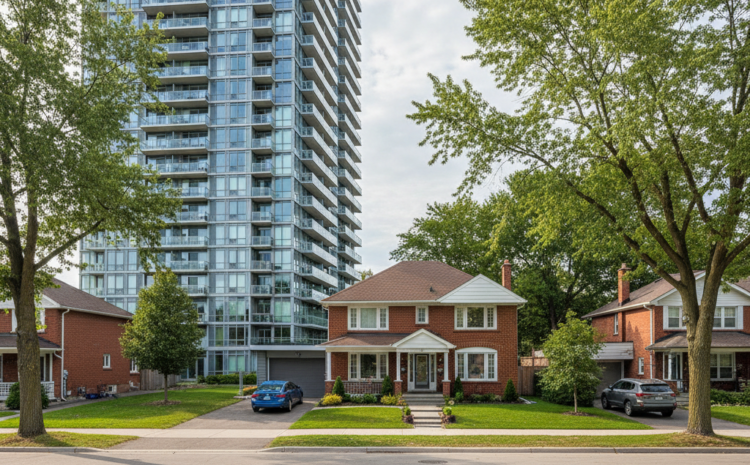
Condo Insurance vs Home Insurance Differences: Explained
You’re deciding between condo insurance and homeowners insurance and want the differences explained in plain language. Here’s the bottom line: both protect your home life, but they were built for two very different living setups. In Ontario—especially around Whitby and the GTA—the right pick comes down to what you actually own, what your condo corporation’s master policy covers, and which risks you want to transfer to your own policy. This guide unpacks condo insurance vs home insurance differences with clear examples, a quick comparison table, and a step-by-step way to choose—so you can feel confident before you buy or renew.
Overview
- Understand exactly what condo insurance covers vs what the condo corporation’s master policy covers.
- See how homeowners insurance protects the entire dwelling, attached structures, and what’s on your land.
- Compare responsibilities, common gaps, and endorsements that matter in Ontario.
- Use a 10-step mini checklist to choose the right policy confidently.
- Get local guidance from Chase Insurance Brokers at 400 Dundas St E G-T4A in Whitby.
Quick Answer
Condo insurance vs home insurance differences come down to ownership and responsibility. In a Whitby condo, your personal policy usually covers your unit interior, belongings, and liability; the condo corporation’s master policy covers common areas and the building shell. In a detached home, your policy covers the full structure, attached/detached structures, contents, and liability. If you’re in Ontario, our team at 400 Dundas St E G-T4A can review your documents and match the right coverage.
Quick Comparison Table: Condo vs Home Insurance
Use this side-by-side view to spot the major condo insurance vs home insurance differences at a glance.
| Coverage Area | Condo Insurance (Unit Owner) | Homeowners Insurance (Detached/Semi/Row) |
|---|---|---|
| Dwelling/Unit | Interior finishes, betterments & improvements; building shell usually on condo master policy | Entire building structure, roof, exterior walls, attached garage/porch |
| Common Property | Covered by condo corporation’s master policy; your policy may include Loss Assessment | Not applicable; you own the land and structures on it |
| Personal Property | Your contents, on-site and often limited off-site | Your contents, on-site and often limited off-site |
| Liability | Personal liability for injuries/damage you cause in your unit or elsewhere | Personal liability for injuries/damage on your property or elsewhere |
| Additional Living Expenses | Yes—covers temporary living costs if your unit is uninhabitable after an insured loss | Yes—covers temporary living costs if your home is uninhabitable after an insured loss |
| Water/Flood Options | Sewer backup/overland water optional; building water damage split with master policy | Sewer backup/overland water optional; full building protection is on your policy |
| Deductibles | Your own policy deductible; sometimes you may share condo master policy deductibles (Loss Assessment) | Your policy deductible; no master policy involved |
| Outbuildings/Land | Not applicable (common areas instead) | Includes detached structures (sheds, fences) and landscaping (subject to terms) |
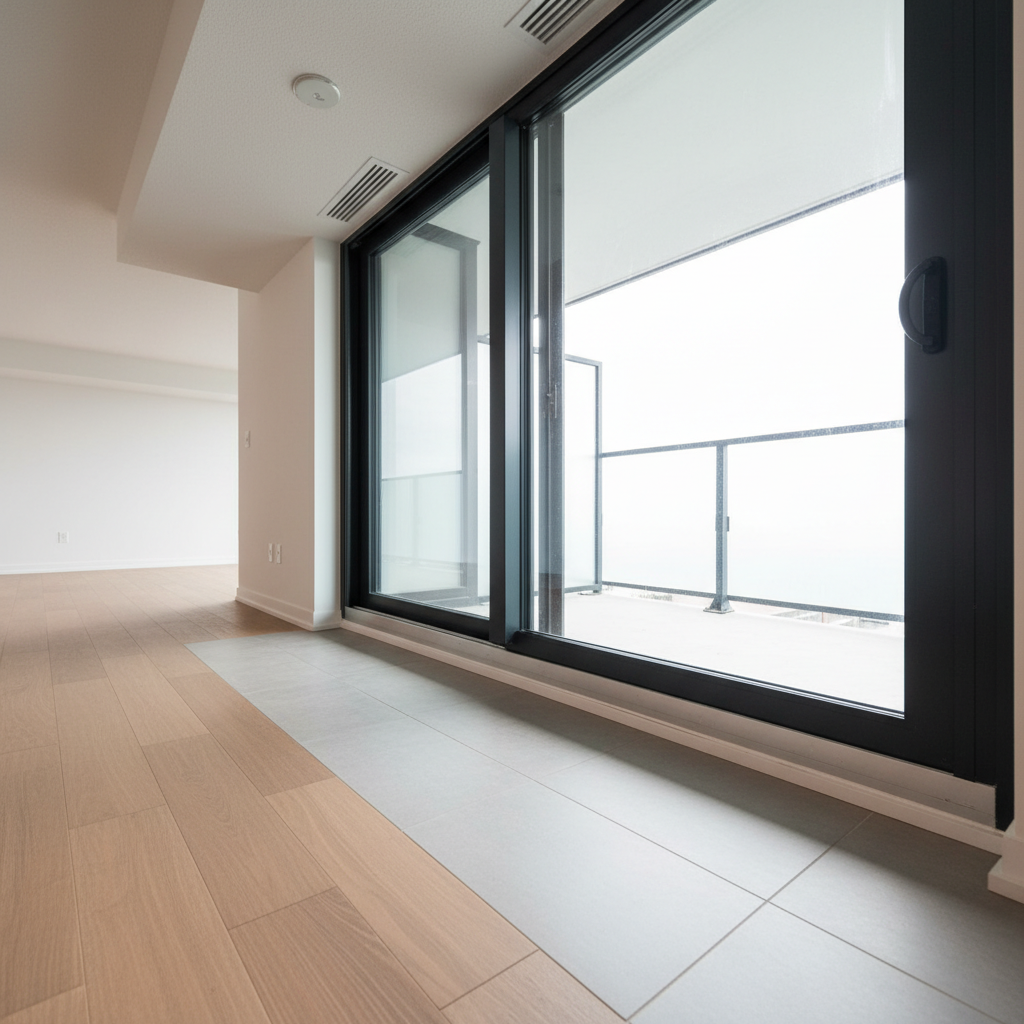
Our Top Pick: Who Each Policy Type Fits Best
Here’s how we see the “best fit” after reviewing hundreds of Ontario files and condo declarations.
- Choose Condo Insurance if you own a unit within a condo/strata:
- You own from the studs-in (interior finishes, improvements, and your belongings).
- Your building has a condo corporation with a master policy (common areas, exterior, shared systems).
- You want Loss Assessment coverage in case the corporation charges owners for a covered loss or large deductible.
- You’ve upgraded flooring, cabinets, or fixtures that aren’t part of the original spec (needs higher “improvements/betterments” limits).
- Choose Homeowners Insurance if you own the whole house:
- You’re responsible for the building structure, roof, exterior walls, and attached or detached structures.
- You want protection for outbuildings, fencing, and liability exposures inherent to land ownership.
- You need optional water protections tailored to your lot (overland water, sewer backup) and endorsements like Bylaw/Ordinance.
Not sure which endorsements you need? See how the add-ons differ in the Buying Guide below or ask us to walk through your condo’s declaration and your home’s rebuild profile together.
Top 12 Differences That Actually Matter
These are the condo insurance vs home insurance differences we see impact Ontario residents most. Each point includes why it matters, a real-world scenario, and what to do next.
1) Who owns what: building shell vs unit interior
- Main point: Condo corporations typically insure the building shell and common elements; you insure the unit interior. Homeowners insure the entire dwelling.
- Why it matters: After a major water event, knowing whether the wall cavity or drywall is yours vs the corporation’s speeds up recovery and prevents gaps.
- Example: A burst riser floods your Whitby unit. The master policy may repair structural elements; your condo policy handles interior finishes and your contents.
- Action: Request your condo declaration and master policy summary before renewing. We’ll review what’s considered “standard unit” vs “improvements.”
2) Improvements and betterments (upgrades you added)
- Main point: Condo policies include a specific limit for upgrades like hardwood, custom cabinets, or built-ins. Home policies treat these as part of dwelling value.
- Why it matters: If upgraded finishes aren’t covered correctly, you’ll be restored to the “standard unit” level, not your actual upgrades.
- Example: You installed quartz counters. A kitchen fire damages them. Without adequate betterments coverage, you could be out-of-pocket to return to quartz.
- Action: Keep a simple log of upgrades with photos. We’ll align your betterments limit to real replacement quality.
3) Loss Assessment (shared deductibles and shortfalls)
- Main point: Condo owners can be charged a share of the corporation’s deductible or shortfall after a covered claim. Loss Assessment helps cover this.
- Why it matters: Master policy deductibles can be significant. Without Loss Assessment, that unexpected bill becomes your personal expense.
- Example: A common-area pipe bursts. The corporation assigns a portion of the master deductible to each affected unit owner. Your Loss Assessment responds (subject to terms).
- Action: Ask your property manager what the master policy deductible is today. We’ll set your Loss Assessment limit to match the real exposure.
4) Detached structures and land exposures
- Main point: Home policies cover sheds, fences, and sometimes landscaping. Condo policies don’t—common property belongs to the corporation.
- Why it matters: Wind, falling trees, or vandalism often involve detached structures; homeowners need limits that reflect what’s on their lot.
- Example: A windstorm in Durham Region topples a backyard fence. The homeowners policy addresses it; a condo policy wouldn’t because you don’t own the yard.
- Action: Inventory outbuildings and unique features. We’ll tailor detached structures coverage accordingly.
5) Water: sewer backup and overland water
- Main point: Both condo and home policies can add sewer backup and overland water options. For homes, building damage is fully on your policy; in condos, responsibilities are shared with the corporation.
- Why it matters: Southern Ontario sees heavy rain and freeze-thaw cycles. Water is among the most common claims.
- Example: Spring runoff overwhelms storm drains near Lake Ontario. A homeowner’s basement flooding is the homeowner’s policy; in a condo, damage paths may involve the master policy.
- Action: Ask us to model water scenarios for your address or building. We’ll recommend backup, overland, and prevention steps aligned to your risk.
6) Rebuild cost vs unit interior valuation
- Main point: Home policies hinge on full dwelling replacement cost. Condo policies focus on unit interior finishes plus your contents and liability.
- Why it matters: Underestimating rebuild cost can limit your claim payout. Over-insuring a condo as if it were a full house wastes premium.
- Example: A total-loss house fire requires full rebuild valuation (materials, labor, bylaws). A condo event typically doesn’t require you to fund the building shell.
- Action: For homes, complete a rebuild review. For condos, confirm “standard vs upgrades” and contents values.
7) Bylaws/Ordinance and code upgrades
- Main point: Homeowners often add Bylaw/Ordinance coverage to handle code-required upgrades after a loss. In condos, the corporation typically manages code upgrades to common elements.
- Why it matters: Building codes evolve. Without the right endorsement, you might pay out-of-pocket for required changes during repairs.
- Example: A homeowner must upgrade electrical to current code after a fire. An Ordinance or Law endorsement helps. In condos, your focus is interior code compliance.
- Action: We’ll flag code-driven exposures based on your home’s age and municipality.
8) Liability nuances (unit vs premises)
- Main point: Both policies include personal liability, but premises liability risks are broader for homeowners who control land and structures.
- Why it matters: Injuries on icy walkways or from falling branches often implicate the property owner.
- Example: A visitor slips on a homeowner’s front steps. In condos, the corporation may maintain exterior walkways, shifting exposures.
- Action: Align your liability limit to your assets and activities. We’ll discuss umbrella options if needed.
9) Special limits for valuables
- Main point: Both policy types set sublimits for jewelry, bikes, collectibles, or instruments. Scheduling items might be smart.
- Why it matters: A theft claim often bumps into these caps.
- Example: Your bike is stolen from a condo locker. Without scheduling or adequate limits, you may not be made whole.
- Action: List high-value items with replacement values. We’ll explore scheduling or rider options.
10) Short-term rentals and home-based business
- Main point: Renting your condo or home short-term can change eligibility or require endorsements. Running a business from home also needs disclosure.
- Why it matters: Undisclosed commercial use is a common claim issue.
- Example: You host occasional short-term guests. Some carriers restrict or require specific wording. The same goes for home salons or e-commerce inventory.
- Action: Tell us how you use the space. We’ll match you with a carrier that fits the use-case.
11) Master policy deductibles and chargebacks (condo only)
- Main point: Your condo corporation may charge back its deductible to a unit owner if damage is traced to their unit or negligence.
- Why it matters: This can be a surprise bill—distinct from your own policy’s deductible.
- Example: A DIY plumbing mishap leads to a leak. The condo board seeks the master policy deductible from you. Proper Loss Assessment can help.
- Action: Review your condo bylaws and any chargeback language. We’ll line up coverage accordingly.
12) Claims process and who coordinates repairs
- Main point: Home claims are straightforward—you and your insurer coordinate. Condo claims add a second party: the condo corporation/manager and their insurer.
- Why it matters: Coordination affects timelines, vendors, and access to units and common elements.
- Example: After a stack leak, the corporation manages drywall removal in multiple units while your adjuster handles your finishes and contents.
- Action: Keep the property manager’s contact handy. We’ll help you navigate both insurers efficiently.
Tip: If you’re purchasing a condo, include a review of the status certificate, bylaws, and insurance section during your due diligence. A practical guide like this property due diligence overview can help you organize paperwork before closing.
How to Choose in 10 Clear Steps
Follow this sequence to lock in the right policy the first time.
- Confirm what you own: Entire home/land or a condo unit interior. This decides your policy type.
- Get the documents: Condo declaration, bylaws, master policy summary, and standard unit definition; or your home’s square footage and build details.
- List improvements: Upgraded flooring, cabinetry, lighting—anything above the standard unit spec.
- Inventory contents: Snapshot rooms and note electronics, furniture, and wardrobe totals. Flag valuables to schedule.
- Map water risks: History of sewer backup? Near waterways or low-lying streets? Ask for overland and backup options.
- Think liability: Guests, pets, trampoline, or significant net worth? Consider higher limits or a personal umbrella.
- Check usage: Any short-term rentals, sublets, or home business activity? Disclose this now.
- Set deductibles: Balance savings with what you can comfortably pay out-of-pocket.
- Review exclusions: Understand what’s not covered (flood types, wear and tear, maintenance issues).
- Compare carriers: Leverage a broker that can shop multiple markets and explain trade-offs clearly.
Need a walkthrough? Our team compares options from Aviva, Intact, Economical, Echelon, Jevco, Premier, and others—then explains the “why” in plain English.
Soft CTA: Get a coverage checkup
Live in a condo or detached home in Ontario? We’ll review your docs, spot gaps, and match coverage that fits. Visit us in Whitby or request guidance now via our Condo Insurance service page.
Buying Guide: Endorsements and Options That Make a Difference
Endorsements are small policy add-ons with outsized impact after a loss. Here’s how they differ by property type.
For Condo Owners
- Improvements & Betterments: Boosts limits for upgraded finishes that exceed the standard unit.
- Loss Assessment: Helps cover your portion of master policy deductibles or shortfalls on covered claims.
- Unit Owner’s Additional Protection: Bridges gaps when bylaws shift responsibility to owners for parts of the building.
- Sewer Backup & Overland Water: Addresses two of the most common water events in Southern Ontario.
- Equipment Breakdown: Extends protection for certain home systems and appliances inside your unit.
- Locker/Storage Coverage: Protects contents stored in building lockers (subject to limits and security requirements).
For Homeowners
- Bylaw/Ordinance: Pays for code-mandated upgrades during repairs.
- Detached Structures: Tailors coverage for sheds, gazebos, or fences.
- Sewer Backup & Overland Water: Pairs well with sump pump maintenance and backflow valves.
- Service Line: Protects underground lines you’re responsible for (water, sewer, power) on your property.
- Equipment Breakdown: Helps with sudden mechanical/electrical failure of household systems.
- Home-Based Business: Adds protection for business property or liability exposures at home.
Renting instead of owning? If your situation changes, consider our Tenant Insurance options for contents and liability, especially in high-rise buildings where water claims cascade between units.
Pricing Factors (No Numbers, Just What Carriers Weigh)
While we don’t publish prices, we can demystify what carriers look at when calculating premiums and deductibles.
- Property type & construction: High-rise concrete vs wood frame; detached brick vs vinyl siding.
- Location influences: Proximity to water, fire hall, hydrants, and local claim history.
- Building systems: Age of plumbing, electrical, and roofing; sprinklers in condos.
- Security features: Monitored alarms, access control, concierge, or cameras.
- Deductibles & limits: Higher deductibles usually reduce premiums; higher limits increase them.
- Water risk profile: Previous sewer backup, sump pump, backwater valve.
- Claims history: Frequency and type of past claims.
- Usage patterns: Primary residence vs rental; short-term rental activities.
- Credit/insurance score factors (where permitted): Helps carriers assess risk propensity.
The right strategy is to control what you can—maintenance, prevention, and endorsements—then let us shop multiple insurers for strong value and eligibility.
Ontario-Specific Scenarios (Real Examples)
These quick scenarios reflect actual situations we field in Whitby and across the GTA.
- Sprinkler head discharge in a high-rise: The master policy handles common elements; your condo policy addresses unit finishes and belongings. Loss Assessment may apply to shared deductibles.
- Windstorm fence damage in a detached: Treated under homeowners coverage for detached structures (subject to terms).
- Stack leak across multiple condo floors: Master policy coordinates building repairs; your adjuster manages your finishes and contents.
- Basement sewer backup in a bungalow: A homeowners add-on like sewer backup is essential; consider sump alarms and backwater valves.
- Locker theft in a condo garage: Contents coverage applies to stored items within limits; consider scheduled items for valuables.
Buying a condo soon? Ensure your lawyer reviews the status certificate, insurance clauses, and bylaws. Here’s a practical due diligence checklist to help you prepare documents ahead of firming up the deal.
Local Tips
- Tip 1: If you live near Dundas St E or Brock St in Whitby, ask about overland water coverage; spring thaws and heavy summer storms can stress local drainage.
- Tip 2: Schedule a quick policy review before peak summer move-in season—condo elevators and booking windows fill up, which can delay post-claim repairs.
- Tip 3: For lake-adjacent neighborhoods, consider sewer backup and sump monitoring; our Whitby team can tailor endorsements based on your block’s claim history.
IMPORTANT: Bring your condo declaration or a recent home inspection—we’ll translate the technical parts into plain English and align coverage.
How We Can Help (Broker Advantage)
Chase Insurance Brokers serves individuals and families across Ontario from our Whitby office. Here’s how we make this simple and stress-free.
- Market access: We compare multiple insurers—Aviva, Intact, Economical, Echelon, Jevco, Premier—so you don’t have to chase quotes.
- Coverage clarity: We explain condo master policies, chargebacks, and betterments vs standard unit—without jargon.
- Responsive service: Clients cite prompt answers and clear guidance in reviews.
- End-to-end support: Adding/removing vehicles, updating coverage, or filing a claim—we coordinate so you can get on with your week.
Explore more about how brokers compare to going direct in our guide on broker vs direct quotes, then decide how you want to shop.
Methodology: How We Built This Comparison
We created this 2026 Ontario-focused guide using:
- Policy analysis: Review of typical condo declarations, standard unit definitions, and homeowners policy wordings our clients hold.
- Claims patterns: Water, liability, and improvement-related claims we see most often in Whitby and the GTA.
- Carrier options: Practical differences between markets we place—so advice maps to real choices you can buy.
- Regulatory context: General Ontario insurance practices for personal lines (no legal advice; always read your own policy documents).
We update our content periodically to reflect new endorsements, building trends, and seasonal risk shifts.
FAQ: Condo vs Home Insurance
- Do condo owners need insurance if the building has a master policy?
- Yes. The master policy covers common elements and the building shell. Your personal condo policy covers your unit interior (finishes), your belongings, personal liability, Additional Living Expenses, and often Loss Assessment exposure. Without it, you’re exposed to gaps the master policy doesn’t fill.
- What does homeowners insurance cover that condo insurance usually doesn’t?
- Homeowners insurance covers the full dwelling (roof, exterior walls), attached/detached structures, and land-related exposures. Condo insurance focuses on unit interiors and personal property, since the corporation handles the building shell and common areas.
- How do I know if my condo improvements are considered upgrades?
- Compare your unit to the condo’s “standard unit” definition in the declaration. Anything above that (e.g., higher-end flooring, custom cabinetry) is an improvement. Your condo policy should include adequate betterments/improvements limits to restore like-for-like after a claim.
- Is sewer backup included automatically?
- Often it’s optional for both condo and home policies. Given Ontario’s weather and infrastructure realities, we generally recommend evaluating sewer backup and, where available, overland water coverage. We also advise prevention steps like backwater valves and sump monitoring.
- What if I rent out my condo or house?
- Short-term rentals and long-term tenancies can change eligibility and required endorsements. Tell us how you rent (platform, frequency, lease). Landlords may also need specialized protection; see our overview of rental property insurance in Ontario for context.
Conclusion: Choose Confidently, Then Document It
Here’s how to wrap this up with confidence and avoid surprises later.
- Key Takeaways
- Condo insurance focuses on your interior and belongings; the master policy handles the shell and common areas.
- Homeowners insurance covers the entire building, attached/detached structures, and land-related risks.
- Loss Assessment, betterments, water endorsements, and code upgrades are the big levers to get right.
- The fastest way to clarity is to review the condo declaration or home rebuild details with a broker.
- Next Steps
- Condo owner: Share your status certificate, declaration pages, and any upgrade list. We’ll align your limits precisely.
- Homeowner: Bring an inspection or describe recent work (roof, wiring, plumbing). We’ll calibrate your rebuild value and endorsements.
- Prefer to browse first? Start with our Condo Insurance Coverage Guide and our home insurance articles.
Talk to a Whitby-based advisor
Visit Chase Insurance Brokers at 400 Dundas St E G-T4A, Whitby, or request a callback. We’ll translate the fine print and help you choose the right protection.
Prefer online? Start on our home insurance broker page to see how we compare options.