

Super Visa Insurance: What Families Need to Know in 2026
Super visa insurance in Canada is medical coverage required for the Parent and Grandparent Super Visa. It must provide at least $100,000 in emergency care, hospitalization, and repatriation for a minimum of one year. From our Whitby office at 400 Dundas St E, Chase Insurance Brokers helps families secure compliant policies quickly and confidently.
By Chase Insurance Brokers Ltd. — Last updated: June 19, 2026
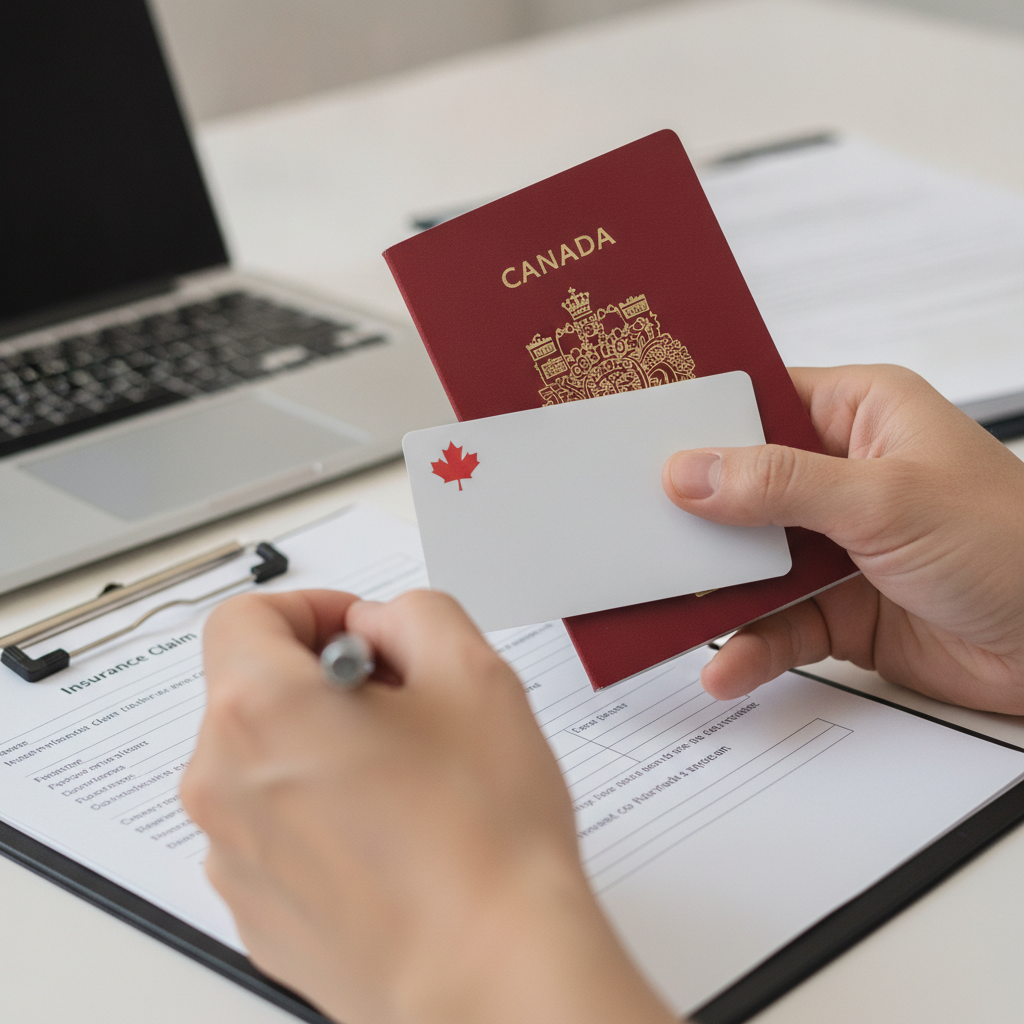
Overview
Super Visa insurance lets parents and grandparents visit Canada for extended stays. It requires at least $100,000 in emergency medical coverage for one year from a Canadian insurer and must cover hospitalization and repatriation. This guide explains eligibility, coverage details, comparisons, application steps, and how our Whitby brokerage supports you end-to-end.
Welcoming parents or grandparents for longer visits is a big moment. The Super Visa was designed for multi‑year stays with re‑entry flexibility, and compliant medical insurance is mandatory. In this complete guide, we distill what matters most for families planning confidently in 2026.
- Clear definition, eligibility, and coverage rules
- How Super Visa insurance differs from visitor and travel insurance
- Step-by-step process to get a compliant policy
- Best practices to avoid processing delays and coverage gaps
- Local help in Whitby and the Regional Municipality of Durham
What is Super Visa insurance?
Super Visa insurance is a one-year, Canadian-issued medical policy with at least $100,000 in emergency coverage for visiting parents and grandparents. It must cover health care, hospitalization, and repatriation, and remain valid for the applicant’s initial stay, supporting multi-year Super Visa entry privileges.
For the Parent and Grandparent Super Visa, a valid medical insurance certificate is a non‑negotiable requirement. Policies are issued by Canadian insurance companies and provide proof that your loved ones can access emergency care without straining public systems.
Core elements every policy must include
- Emergency medical minimum: At least $100,000 of coverage.
- Duration: Valid for a minimum of one year from the date of entry.
- Provider: Canadian insurance company issuing and administering the policy.
- Covered events: Health care, hospitalization, and repatriation.
- Proof of validity: Evidence of active coverage at entry.
Families commonly ask whether pre‑existing conditions can be covered. Many insurers offer options that consider stable pre‑existing conditions after specific stability periods. As your broker, we match your family’s health profile with insurers whose wording and underwriting fit those needs.
Why Super Visa insurance matters
Super Visa insurance protects your loved ones and your finances during extended Canadian stays. It satisfies a mandatory entry requirement, funds emergency care, and reduces the risk of visa refusal or border complications. The right plan prevents coverage gaps when you need care most.
Medical expenses abroad can be significant, and approvals depend on demonstrating reliable access to care. A compliant policy confirms hospital access, physician services, and repatriation arrangements if medically necessary. For families, that assurance isn’t just paperwork—it’s peace of mind before a long‑awaited reunion.
Risks of getting it wrong
- Application delays or refusals: Incomplete or non‑compliant insurance proof stalls decisions.
- Coverage gaps: A policy that doesn’t start on the entry date can leave days unprotected.
- Unexpected exclusions: Misunderstood pre‑existing condition terms may limit claims.
- Travel disruptions: Incorrect documents at the border complicate entry.
We’ve seen approvals move smoother when documentation clearly shows the $100,000 minimum, named insureds, dates aligned to travel, and covered benefits stated plainly. Our role is to organize those details so officers can verify compliance in seconds.
How Super Visa insurance works
You select a Canadian insurer, choose at least $100,000 in emergency medical coverage for one year, align dates with travel, and obtain a certificate showing benefits and validity. Keep the policy active through the entire initial stay to remain compliant with Super Visa conditions.
At a high level, the process is straightforward. The nuance is in aligning family health, travel dates, and insurer wording—details that influence eligibility and claims. We coordinate timelines so coverage activates the day your parents land and continues through their initial stay.
- Share family details: Ages, health history, and planned arrival window.
- We compare insurers: We access multiple Canadian markets to find a compliant fit.
- Confirm dates and benefits: Start date on arrival; one full year of protection.
- Issue certificate: Receive policy documents to include with the application.
- Travel with proof: Carry the certificate to show at the border if requested.
As of 2026, Super Visa holders can typically stay for longer periods per entry than a standard visitor visa, with multiple re‑entries possible during validity. Medical insurance must remain active, uninterrupted, and demonstrably in force for each entry and stay.

Types of Super Visa insurance and common approaches
Most Super Visa policies are Canadian-issued emergency medical plans with optional riders. Families choose between different deductible levels, coverage limits, and pre‑existing condition options to balance protection with eligibility and comfort.
While all policies must meet minimum standards, options vary by deductible, stability periods, and added benefits like side trips outside Canada. The right configuration depends on the traveler’s medical history, itinerary, and risk tolerance.
Typical configuration choices
- Coverage limits: $100,000 is the floor; higher limits are available for added protection.
- Deductibles: Options range from zero to higher deductibles that may reduce premium, with trade‑offs at claim time.
- Pre‑existing conditions: Coverage often requires stability for a defined period.
- Trip timing: Start date set to the day of arrival; extensions require continuous coverage.
- Side‑trip riders: Short trips to other countries can be covered when Canada remains the base.
In our experience, clarity on pre‑existing condition wording helps avoid disputes later. We walk clients through definitions like “stable” or “controlled” so there’s shared understanding before departure.
Super Visa vs visitor insurance vs travel insurance
Super Visa insurance is mandatory medical coverage for extended parent/grandparent stays. Visitor insurance is short‑term medical coverage for tourists. Travel insurance adds trip cancellation and baggage to medical benefits. The right choice depends on purpose, length of stay, and visa class.
Families often confuse these categories. Here’s a clear side‑by‑side to help you choose based on stay length, visa status, and what you want covered during the trip.
| Feature | Super Visa Insurance | Visitor Insurance | Travel Insurance |
|---|---|---|---|
| Who it’s for | Parents/grandparents of Canadians/PRs | Tourists/short‑term visitors | Any traveler |
| Mandatory? | Yes, for Super Visa | No, but strongly recommended | No, optional |
| Coverage minimum | ≥ $100,000 emergency medical | Varies by plan | Varies by plan |
| Duration | At least 1 year initial | Days to months | Trip‑based (single/multi) |
| Pre‑existing conditions | Often available with stability | Limited or optional | Limited or optional |
| Non‑medical benefits | Focused on medical | Focused on medical | Medical + trip cancellation/baggage |
| Typical use case | Long stays, multiple entries | Short family visits, tourism | Vacations, business trips |
If you’re weighing options, we can compare multiple Canadian insurers side‑by‑side, then align selection with your application timeline and travel plans.
For a deeper dive on medical travel plans, see our overview of options in Travel Insurance Canada coverage choices, and read a focused breakdown in our medical coverage comparison guide.
Best practices to stay compliant and protected
Document the $100,000 minimum, ensure one full year of coverage starting on arrival, and keep proof handy at the border. Clarify pre‑existing condition wording, confirm repatriation is included, and align policy dates to every planned entry to avoid gaps.
Documentation and timing
- Certificate details: Names, policy number, start date, and benefits clearly shown.
- Border readiness: Keep a digital and paper copy on arrival.
- Aligned dates: Start coverage the day you land; extend before expiry.
Coverage clarity
- Pre‑existing stability: Know the stability period and what resets it.
- Repatriation inclusion: Confirm transport home is covered.
- Deductible awareness: Understand how it applies at claim time.
Plan for multi‑entry
- Continuous coverage: Keep the policy active throughout stays.
- Side trips: Add riders for brief travel outside Canada if needed.
- Contact details: Save claims and assistance numbers on your phone.
When we assemble documentation for clients, border checks go faster. We also help you register for 24/7 assistance so calling for help is simple if an emergency arises.
Tools, resources, and where to get help
Start with a broker who can access multiple Canadian insurers, provide a compliant certificate, and clarify exclusions. Use checklists, insurer portals, and broker support channels to align policy dates with travel and confirm coverage for pre‑existing conditions.
Working with a brokerage gives you market access and a single point of contact for questions before and after arrival. That matters when timelines are tight.
- Use our Super Visa/Visitor Insurance service page to start.
- Review minimums and benefits in our Super Visa insurance requirements guide.
- Understand health benefits in the parent medical coverage explainer.
- Compare short‑stay options in Visitor Insurance: What you need.
- Plan long‑term family protection with our Ontario life insurance planning guide.
For visa context and application preparation, practitioners offer helpful overviews, such as this Super Visa explainer and a visitor vs. Super Visa comparison. Sponsorship pages like immigration sponsorship requirements also outline common supporting documents.
Our Whitby team can turn around Super Visa insurance certificates aligned to your travel date and insurer wording. Start here: Request Super Visa insurance support.
Case studies and real‑world examples
Families succeed when policy dates match flights, pre‑existing condition wording is understood, and proof is ready at the border. These scenarios show how aligning details up front prevents delays and ensures smooth arrivals.
Example 1: Aligning to entry date
A Whitby client expected parents to land on August 4. We set the policy start to August 4, one year forward, and issued the certificate the same day the flights were booked. They carried both paper and digital proof. Border check took minutes because benefits and dates were clear.
Example 2: Stable pre‑existing condition
Grandfather had well‑controlled hypertension. We placed coverage with an insurer that recognizes stable conditions after a defined period with no dosage changes. The underwriting fit reduced uncertainty at claim time and gave the family confidence.
Example 3: Multi‑entry planning
Parents planned a brief trip to the U.S. during their Canadian stay. We added a side‑trip rider so emergency care remained covered for that short journey, while Canada stayed the home base. They kept assistance numbers stored on their phones for any unexpected event.
Local support in Whitby and Durham
From our Whitby office in the Regional Municipality of Durham, we help families organize compliant Super Visa insurance, align certificates to travel, and clarify exclusions. Local guidance shortens turnaround times and simplifies in‑person questions before your parents or grandparents arrive.
Local context matters. We know the timing pressures around school breaks, holidays, and winter flights in Southern Ontario. When you need to pivot travel dates due to weather or family logistics, we help you adjust coverage start dates so protection is active on arrival.
Local considerations for Whitby
- For quick document drop‑offs or pickups, plan around the Dundas St. @ Brock St. transit stop a short walk from our office.
- Winter travel can shift arrival days. Keep an eye on storm windows and build a buffer so your policy start date still matches the landing date.
- If you prefer a quiet place to review paperwork with family, the Whitby Public Library – Central Library offers calm, bright spaces nearby.
Frequently Asked Questions
Super Visa insurance questions usually center on eligibility, pre‑existing conditions, and documentation. Here are concise answers to the most common questions families ask when preparing applications and booking travel dates.
Does Super Visa insurance have to be from a Canadian insurer?
Yes. Policies are issued by Canadian insurance companies and must provide at least $100,000 in emergency medical coverage for one year, including hospitalization and repatriation. Keep the certificate available during travel and ensure dates align with your entry.
Are pre‑existing conditions covered?
Often, yes—subject to stability requirements and policy wording. Many plans consider conditions covered if there have been no recent changes in treatment or symptoms for a defined period. Your broker will match insurers to your medical history.
How long should coverage last?
At least one full year from your arrival date for the initial stay. Continuous coverage is expected while in Canada. If travel plans shift, update the start date before arrival to avoid gaps.
What documents do I show at the border?
Carry the insurance certificate with names, policy number, start and end dates, and listed benefits. Keep a digital copy on your phone and a printed copy in your carry‑on. Officers may request it to verify compliance.
Conclusion
Choose a Canadian-issued plan with at least $100,000 emergency medical coverage for one year, align the start date to arrival, and keep proof handy. With the right setup, Super Visa arrivals are smooth, protected, and stress‑free for the whole family.
- Key takeaways:
- Super Visa insurance is mandatory and medical‑focused.
- Minimums: $100,000 emergency coverage and one full year.
- Match policy dates to flights and maintain continuous coverage.
- Clarify pre‑existing condition wording before purchase.
- Local brokers streamline documents, timelines, and support.
Ready to organize your policy and certificate? Our team in Whitby can help you compare Canadian insurers and issue compliant documents aligned to your travel. Start here: Super Visa/Visitor Insurance support.
Related reading to continue your planning
Deepen your preparation with focused explainers on requirements, medical benefits, and short‑stay alternatives. These resources help you fine‑tune coverage and timelines before you finalize travel.
For a point‑by‑point checklist of eligibility, required benefits, and timing, see our detailed Super Visa insurance requirements. If you’re comparing medical options for brief tourism or side trips, read our Visitor Insurance guide and the broader types of insurance in Canada overview for context across lines, including travel and life planning.