


Homeowners Insurance: Save More and Stress Less in 2026
Homeowners insurance is a policy that protects your house, personal belongings, and personal liability from covered losses like fire, wind, theft, and certain types of water damage. For Whitby and Ontario homeowners, lenders often require proof of coverage. From our Whitby office at 400 Dundas St E G‑T4A, we help you compare options and tailor protection.
By Chase Insurance Brokers Ltd. | Last updated: June 18, 2026
Quick summary
Homeowners insurance covers your dwelling, belongings, and liability, plus temporary living costs after a covered loss. Ontario homeowners should add endorsements for local water risks, keep a room‑by‑room inventory, and align deductibles with savings. A brokerage compares multiple insurers so your coverage fits your home and lifestyle.
- What it covers: home, contents, liability, and additional living expenses.
- Why it matters: mortgage requirement, faster recovery after claims.
- Where gaps appear: water damage, valuables, service lines, inflation.
- How to close gaps: targeted endorsements and scheduled items.
- Action plan: gather details, decide on water protection, set deductibles, request quotes.
- Definition and coverage parts
- Whitby and Durham context
- How claims and deductibles work
- Home vs. condo vs. tenant vs. landlord
- Common gaps and endorsements
- Best practices insurers reward
- Step-by-step: get a quote
- Water and flood considerations
- Home inventory and docs
- Bundling and deductibles
- Ontario case studies
- Tools and resources
- FAQ
- Key takeaways
- Conclusion
What is homeowners insurance?
Homeowners insurance is a package policy that protects your home (dwelling), other structures, personal property, and personal liability. It also pays additional living expenses if a covered loss makes your home unlivable. You can customize it with endorsements, such as sewer backup or overland water, to address local risks.
At its core, the policy organizes protection into sections with limits and deductibles. The dwelling limit reflects estimated rebuilding cost. Personal property covers belongings inside and outside the home, usually subject to sublimits for items like jewelry or bikes. Liability covers accidental injury or property damage to others, on and off premises. Additional living expenses help with hotel or rental costs after a covered event.
- Dwelling (A): Your home’s structure and attached components.
- Other structures (B): Detached garage, shed, or fence on the property.
- Personal property (C): Furniture, clothing, electronics, tools, and more.
- Loss of use (D): Temporary living costs when the home is uninhabitable due to a covered loss.
- Personal liability (E): Lawsuits alleging bodily injury or property damage to others.
- Medical payments (F): Limited, no‑fault medical coverage for guests.
In our experience serving Ontario families, clarity on valuables is crucial. We help clients schedule high‑value items (e.g., jewelry, instruments) so coverage reflects appraised values and, in many cases, waives deductibles on those scheduled items.
Why it matters in Whitby and the Regional Municipality of Durham
Whitby homeowners face seasonal freeze‑thaw cycles, fast summer downpours, and wind events. Strong coverage with water endorsements, plus documented maintenance, keeps families housed during repairs. Our Whitby team coordinates policy start dates with closings so lender requirements and possession dates align without gaps.
Weather and infrastructure drive many home claims in Durham Region. Winter freeze can stress older plumbing, while heavy rain challenges storm drains and basements. Lenders usually require proof of insurance before closing, and real estate timelines move quickly. We help clients align effective dates, confirm mortgagee clauses, and provide binders on time.
Local considerations for Whitby
- Time your policy start near closing; traffic around Dundas St. @ Brock St. can slow last‑minute errands, so request binders a day early.
- Winterize proactively; schedule furnace checks and roof inspections before late fall to reduce burst‑pipe and ice‑dam risk.
- Use the Whitby Public Library – Central Library to scan or upload a home inventory and store a copy off‑site for quick access during claims.
How homeowners insurance works (claims, deductibles, endorsements)
After a covered loss, you pay the deductible and the insurer pays approved amounts above it, up to limits. Adjusters confirm cause and scope. Endorsements extend protection to excluded risks (e.g., sewer backup or overland water), tailoring the policy to Whitby and Ontario conditions.
When a loss happens, speed and documentation matter. Report promptly, photograph damage, and keep receipts for emergency work. Adjusters verify cause and coverage, then settle based on repair and replacement cost provisions. We coordinate communications, help select restoration vendors, and review settlement language to minimize back‑and‑forth.
- Report and document: Photos, a simple timeline, and contact info for any witnesses.
- Mitigate further damage: Shut off utilities as needed, board up openings, and save receipts.
- Adjuster review: Cause and scope are confirmed; estimates are prepared.
- Payment: Issued per policy terms, less your deductible, and sometimes in stages as work progresses.
- Close‑out: Provide final invoices and photos; keep copies for your records.
Endorsements bridge common exclusions. We routinely recommend sewer backup and overland water for Whitby homeowners due to storm patterns. For valuables, scheduled property closes sublimit gaps. For aging infrastructure, service line endorsements cover underground pipes and wiring on your property.
Types of home coverage: homeowners vs. condo, tenant, and landlord
Choose a policy that matches your property and responsibilities. Homeowners covers the structure and contents. Condo covers unit improvements and contents (walls‑in), while the corporation insures common property. Tenant covers your belongings and liability. Landlord covers the dwelling you rent and its premises liability.
Mapping responsibilities makes selection easy. Freehold homes need full dwelling coverage. Condo unit owners insure the inside of their unit, improvements, and personal contents; the condo corporation’s master policy handles the building shell and common areas. Tenants insure only belongings and liability. Landlords need policies designed for tenant‑occupied risks, often with rental income protection options.
| Feature | Homeowners | Condo (Unit Owner) | Tenant (Renter) | Landlord (Rental Property) |
|---|---|---|---|---|
| Dwelling/Building | Yes, full house | Walls‑in improvements | No | Yes, building you rent |
| Personal Property | Yes | Yes | Yes | Optional (landlord items) |
| Personal Liability | Yes | Yes | Yes | Yes (premises) |
| Loss of Use | Yes | Yes | Yes | Rental income options |
| Water Endorsements | Available | Available | Limited | Available |
For deeper comparisons, see our Ontario overview of home coverage in this home and auto guide and our focused condo insurance solutions article for walls‑in details.
Common gaps and the endorsements that fix them
Typical weak spots include water (sewer backup and overland), sublimits on valuables, inflation on rebuild costs, and service lines. Targeted endorsements and scheduled property solve these, turning a potential financial shock into a manageable inconvenience.
Valuables are often under‑insured by default sublimits. We help clients schedule jewelry, bicycles, collections, and instruments. Water is another common gap: municipal backup, sump overflow, and surface water after intense rain are frequent culprits. Finally, rising material and labor costs argue for inflation‑guard or guaranteed replacement options where available.
- Sewer backup/overland water: Extends protection where base forms exclude flood‑like events.
- Scheduled personal property: Appraised items listed at stated values for clearer settlements.
- Building inflation protection: Adjusts limits to track construction costs annually.
- Service line: Covers underground pipes and wiring on the premises.
- Cyber/ID theft add‑ons: Helps with restoration services after covered incidents.
We expand on these in our home insurance comparison and our explainer on what is covered in Ontario.
Preventive best practices insurers reward
Insurers respond well to proactive maintenance: smoke and CO alarms, leak sensors and water shutoff, trimmed trees, updated wiring, and documented repairs. These cut claim frequency and severity and often speed settlements thanks to better documentation and clear mitigation steps.
Build a simple home risk checklist. Place smoke and CO alarms on each level and near sleeping areas. Add leak sensors near the water heater, laundry, kitchen sink, and sump pit. Clean dryer vents, trim trees, and clear eaves before freeze‑thaw swings. Review electrical panels for aluminum wiring or fuses that trigger underwriting questions.

- Detectors: Test monthly; replace per manufacturer guidance.
- Water control: Install a smart shutoff or valve and place sensors near high‑risk areas.
- Fire safety: Keep extinguishers on each level; clean chimneys annually.
- Roof and yard: Clear gutters and trim branches away from the roof line.
- Documentation: Keep a photo inventory and store digital copies off‑site.
Want a ready‑to‑use list? Our complete home insurance checklist ranks common controls and the issues they prevent.
Step-by-step: getting a homeowners quote in Ontario
Accurate quotes start with good data: occupancy, building updates, roofing and heating types, and any previous claims. We compare multiple insurers, add endorsements for local risks, set deductibles you can handle, and align dates with closings so your lender gets proof on time.
- Gather details: Address, year built, square footage, roof and heating, renovations, alarms.
- List valuables: Note items to schedule (e.g., engagement rings, instruments).
- Decide on water endorsements: Sewer backup and overland water for Whitby are common picks.
- Set liability limits: Align with assets and everyday exposures (e.g., dogs, pools).
- Choose deductibles: Balance out‑of‑pocket comfort with long‑term planning.
- Confirm start date: Match possession or renewal to avoid gaps and meet lender needs.
Before you shop, skim our Ontario home insurance overview and this side‑by‑side comparison to see how features vary across insurers.
Water damage and overland flood considerations
In Ontario, many home claims involve water: sewer backup, sump overflow, or surface water after intense rain. Overland water and sewer backup are usually added by endorsement. Sump pumps, battery backups, and leak sensors reduce risk and make claims smoother with clear mitigation proof.
Rapid summer storms can push water toward foundations and overwhelm drains. We recommend pairing water endorsements with practical controls: a sump pump with battery backup, quality check valves, and leak sensors. Photograph installations and keep receipts; they help underwriting and claims.
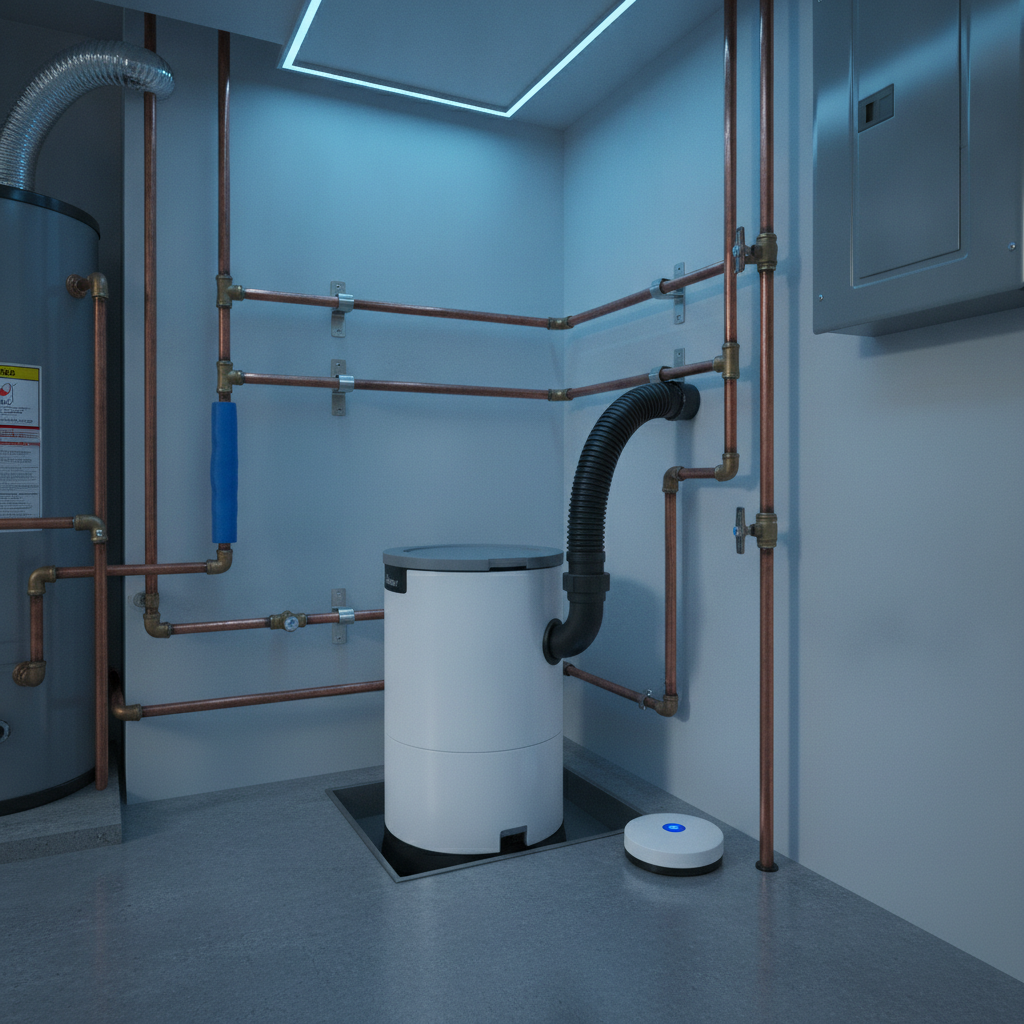
- Sewer backup: Responds when water pushes back through drains.
- Overland water: Addresses above‑ground water entering after heavy rain or overflow in many scenarios.
- Groundwater/seepage add‑ons: Some insurers offer limited options for seepage or foundation leaks.
Planning a purchase and juggling moving tasks? Organizational guides like this broader Ontario real estate guide can help you keep timelines straight while you finalize endorsements.
Home inventory and documentation for faster claims
A simple inventory with photos and serial numbers speeds contents claims. Store a copy in the cloud or off‑site. Keep invoices for renovations, roofing, plumbing, or electrical updates; they support both underwriting and claims valuations and reduce back‑and‑forth.
Start with one room per week. Photograph closets and drawers; capture serial numbers on electronics and tools. Note brands and models where possible. If you are buying your first home, a general checklist like this buyer’s guide can help you plan documents and storage ahead of move‑in.
- Photos: Wide shots plus close‑ups for expensive items.
- Serials: Record key electronics and appliances.
- Receipts: Save for upgrades and major purchases.
- Cloud backup: Keep a copy off‑site for emergencies.
How bundling and deductibles affect outcomes
Bundling streamlines renewals and keeps terms aligned across home, auto, and rental property. Deductibles determine your share on each claim; choose a level you can comfortably pay without delaying repairs. We help you find a practical balance for the long term.
We often coordinate homeowners with auto coverage for simpler administration and fewer renewal surprises. Our home and auto guide explains typical underwriting questions and how deductibles influence outcomes. Set a deductible that fits emergency savings and tolerance for small losses.
Prefer a pre‑review checklist? See our practical notes in this Ontario‑focused piece on finding value: cheaper home coverage in Ontario.
Case studies and real Ontario examples
When homeowners pair the right endorsements with simple maintenance and documentation, claims resolve faster and with fewer surprises. The following scenarios reflect patterns we see across Whitby, the GTA, and nearby cities.
Whitby: sewer backup minimized
- A Whitby homeowner installed a battery‑backed sump and added a sewer backup endorsement.
- After a summer storm, sensors alerted early; minimal water entered.
- Cleanup invoices and photos made settlement straightforward.
Toronto: condo improvements protected
- A condo owner added a betterments‑and‑improvements rider after a kitchen renovation.
- A leak from an upper unit damaged new finishes.
- The rider covered upgrades beyond standard materials; coordination with the corporation’s master policy avoided duplication.
Oshawa: landlord liability clarity
- An Oshawa landlord confirmed premises liability and rental income options on a duplex.
- A guest slipped on an icy walkway; liability responded as intended.
- Loss‑of‑rent coverage bridged a short vacancy during repairs.
Tools and resources
Use checklists, inventories, and closing timelines to stay organized. Broker comparison guides, condo documents, and buyer resources help you confirm responsibilities and avoid gaps. Keep everything in one shared folder so quotes and claims move faster.
- Ontario backgrounder: our home insurance in Ontario overview.
- Side‑by‑side features: our comparison guide for endorsements and limits.
- Buyer organization: this buyer’s guide for broader prep and timelines.
Frequently Asked Questions
Most questions center on what’s covered, how water endorsements work, and how deductibles affect claims. These concise answers reflect common situations for Ontario homeowners and first‑time buyers.
What does homeowners insurance usually cover?
Most policies cover the dwelling, other structures, personal property, personal liability, and additional living expenses after covered losses such as fire, theft, wind, or certain water incidents. Sublimits apply to valuables. Endorsements add protection for sewer backup, overland water, and scheduled high‑value items.
Do I need sewer backup or overland water coverage?
If your area sees heavy rain or aging infrastructure, adding these endorsements is wise. Sewer backup responds when water pushes through drains; overland water helps when surface water enters after storms. In Whitby and the GTA, many homeowners choose both to reduce risk.
How do deductibles work on a home claim?
A deductible is the amount you pay before insurance responds. The insurer pays approved amounts above that. Choose a deductible you can pay without delaying repairs. Higher deductibles often lower premiums, but balance that against emergency savings and risk tolerance.
What’s the difference between homeowners and condo insurance?
Homeowners covers the full building and your belongings. Condo insurance covers your unit interior, improvements, and contents, while the condo corporation’s master policy covers common areas and the building shell. Review your condo bylaws to confirm responsibilities.
Can I bundle home with auto or life insurance?
Yes. Many clients consolidate coverage with the same brokerage. Bundling home with auto is common, and we coordinate with life or business needs through our affiliate support. It simplifies renewals and keeps terms aligned.
Key takeaways
Select the right policy type, add water endorsements for Ontario conditions, and keep a clean inventory. Align deductibles with savings and maintain your home. A broker can coordinate timelines, compare markets, and help you avoid gaps as your life evolves.
- Map responsibilities: freehold, condo, tenant, or landlord.
- Address water risk with the right endorsements for Whitby and the GTA.
- Document upgrades and keep a photo inventory in the cloud.
- Pick a deductible you can comfortably pay.
- Bundle thoughtfully to streamline renewals.
Conclusion
Homeowners insurance safeguards your home and finances when the unexpected strikes. With water‑focused endorsements, practical maintenance, and clear documentation, you can speed recovery and reduce surprises. A local Whitby brokerage ensures your coverage matches your property and timelines.
From our Whitby office, Chase Insurance Brokers compares multiple Canadian insurers and translates options into plain language. Whether you need a first‑time policy, a renewal review, or coordination with condo or landlord coverage, we’ll help you save time and stress—so your policy is ready well before closing day.


1 Comment
[…] to explore options? Start with our homeowners insurance save-more guide or our quick primer on Ontario home insurance costing […]