

Condo Insurance Solutions: A Practical Ontario Coverage
Last updated: October 2026
By NEIL THAKKAR – Chase Insurance Brokers Ltd.
Last updated: October 2026
Condo insurance is not simply a smaller version of home insurance. Your condominium corporation has its own property and liability policy, while your unit-owner policy protects the parts of your home, belongings, upgrades, and personal responsibilities that the corporation’s policy does not cover. The boundary between those policies depends on your building’s governing documents and standard unit definition.
That is why a useful condo insurance solution is document-led rather than based on a generic package. Whether you own in Whitby, Toronto, or another Ontario community, gather the building’s insurance certificate, declaration, bylaws, and standard unit description before choosing limits or endorsements. A broker can then explain the gaps, compare available options, and help you make a decision based on your unit and building.
What condo insurance solutions are designed to protect
A condo corporation’s insurance generally addresses the corporation’s insurable property and liability obligations. It does not normally replace the unit owner’s need to insure personal possessions, upgrades, personal liability, and additional living expenses. The Condominium Authority of Ontario’s explanation of condo insurance also emphasizes the distinction between the standard unit and owner improvements.
Your unit-owner policy may respond to several different exposures:
- Unit contents: Furniture, clothing, electronics, household goods, and other belongings, subject to policy limits and exclusions.
- Improvements and betterments: Upgrades made by you or a previous owner that go beyond the finishes included in the standard unit definition.
- Personal liability: Claims alleging that you caused injury or property damage to another person, unit, or common element.
- Additional living expense: Eligible temporary accommodation and related costs when a covered loss makes the unit unfit to live in.
- Loss assessment: Protection that may help with an eligible assessment issued after a covered condominium claim, subject to the endorsement’s terms and limit.
- Water-related endorsements: Options such as sewer backup or overland water, where available and appropriate to the property.
These categories are not interchangeable. A contents limit does not automatically insure custom flooring, and liability coverage does not automatically pay every building charge. The policy wording, exclusions, deductibles, and building documents determine whether a particular loss is covered.
How the master policy and your unit policy work together
The master policy belongs to the condominium corporation. It generally relates to the corporation’s property and liability responsibilities, while your policy relates to your unit-owner responsibilities. The exact boundary is controlled by the Condominium Act, the declaration, bylaws, standard unit definition, and the insurance contracts.
| Coverage area | Condo corporation policy | Unit-owner policy |
|---|---|---|
| Building and common elements | Corporation-owned property and common areas, as defined by the policy and governing documents | Usually not insured directly by the owner, although an assessment may create an owner obligation |
| Standard finishes | Finishes included in the building’s standard unit definition, subject to the policy | May need to address the owner’s responsibility where documents or a loss create an obligation |
| Upgrades | Not automatically responsible for finishes beyond the standard unit | Betterments and improvements coverage may protect upgraded flooring, cabinets, fixtures, and similar work |
| Belongings | Does not insure the owner’s personal contents | Contents coverage protects eligible furniture, electronics, clothing, and other possessions |
| Liability | Corporation liability for covered corporate responsibilities | Personal liability for incidents connected with the owner, occupants, unit, or activities |
| Temporary accommodation | Does not replace the owner’s additional living expense coverage | May pay eligible extra living costs after a covered loss, up to the policy limit |
Request the building’s current certificate of insurance, but do not treat that document as a substitute for the full governing documents. The certificate can help identify the master policy and deductibles; the standard unit definition and bylaws help explain what the corporation and owner are each expected to maintain or insure.
Why the standard unit definition matters
The standard unit definition describes the finishes and fixtures the corporation treats as part of a standard unit. If a previous owner replaced carpet with hardwood, installed custom cabinetry, or upgraded plumbing fixtures, those changes may need to be declared even though you did not carry out the work yourself.
Compare every room against the description rather than relying on the listing, purchase agreement, or visual appearance. Keep invoices, renovation permits, photographs, and contractor information where available. This record helps a broker discuss a reasonable improvements limit and helps you explain the unit’s condition after a claim.
Ontario responsibilities, deductibles, and chargebacks
Ontario condominium owners can face costs when damage is connected to their unit, tenant, resident, or an act or omission for which the governing law or condominium documents create responsibility. The Condominium Act, 1998 contains provisions dealing with costs added to an owner’s common expenses in specified circumstances, including certain damage and the corporation’s insurance deductible.
The Condominium Authority of Ontario also explains that a corporation may charge certain costs back to an owner and that governing documents can affect the circumstances. Read the corporation’s rules carefully; do not assume that every chargeback is the same as a voluntary special assessment or that every deductible is automatically covered by your unit policy.
Loss assessment is not unlimited building insurance
Loss assessment coverage can help with an eligible amount assessed to you after a covered condominium loss. It is not a replacement for the corporation’s master policy, and it does not guarantee payment for every charge. Triggers, covered causes of loss, exclusions, sublimits, and deductibles vary by insurer.
Ask specifically how the proposed policy treats a building deductible, an assessment caused by an insured peril, and an assessment connected to damage attributed to your unit. Your broker should explain whether the available limit is sufficient for the building’s current deductible and whether the endorsement contains conditions that affect a claim.
Which condo insurance endorsements deserve attention?
There is no single endorsement list that fits every Ontario unit. The right selection depends on the building, location, unit finishes, occupancy, lender requirements, and the insurer’s wording. These are the areas that usually deserve a focused conversation.
Improvements and betterments
Improvements coverage is designed for eligible changes beyond the standard unit. Examples can include upgraded flooring, stone counters, custom cabinetry, renovated bathrooms, built-in fixtures, or alterations made by a former owner. Estimate replacement cost rather than resale value, and revisit the limit after renovations.
Water protection
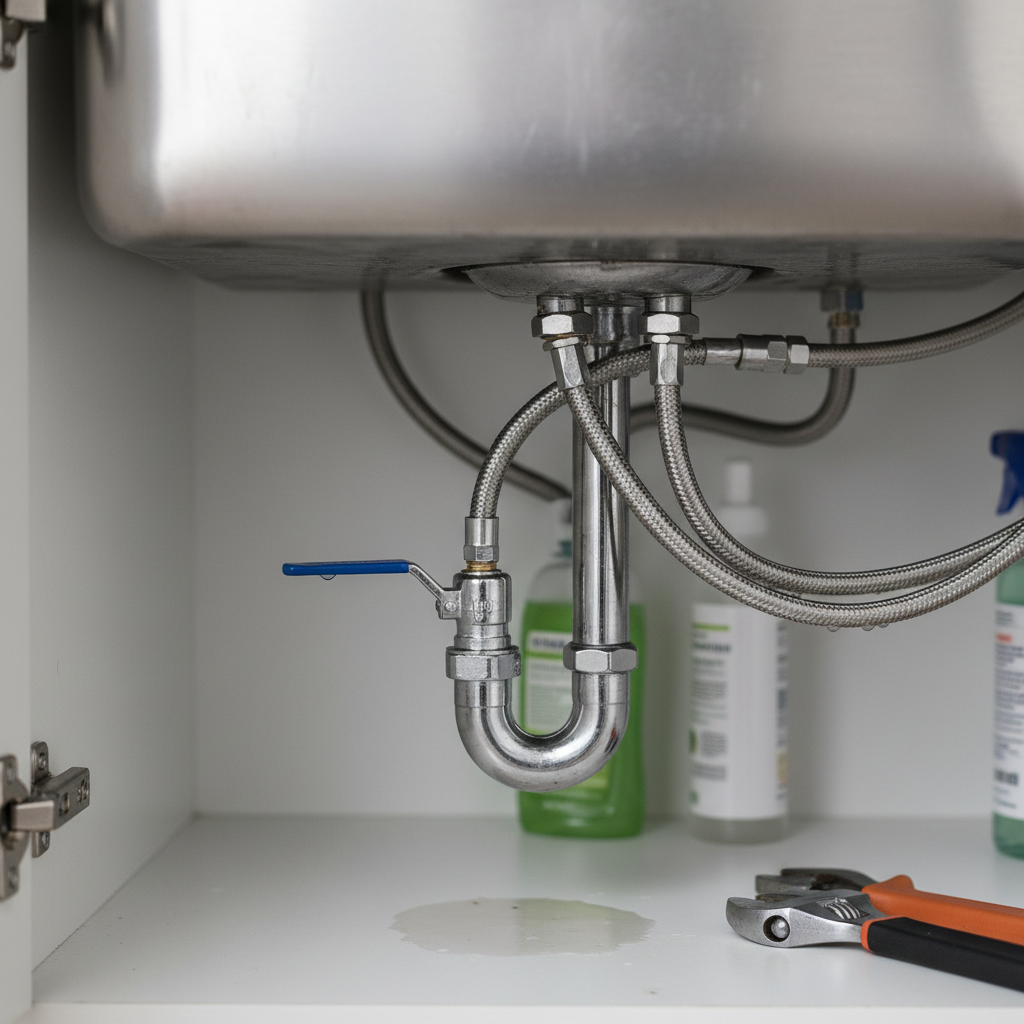
Water claims can begin inside a unit through a failed appliance supply line, toilet, washing machine, or plumbing connection. Other losses involve sewer backup, surface water, or water entering through routes addressed by different endorsements. Sewer backup and overland water are not synonyms, and availability and wording vary by insurer.
Location can help identify questions, but it does not determine coverage by itself. An owner near Lake Ontario, a ravine, or older infrastructure should ask about drainage and surface-water exposure, while every owner should understand shutoff locations and building emergency procedures. Coverage still depends on the selected policy and underwriting information.
Personal liability
Personal liability may respond when you are legally responsible for injury or damage to another person’s property. A leak that spreads to another unit, a visitor injury, or damage connected with an occupant can raise liability questions. Tell the broker about tenants, roommates, pets, home business activity, and renovations so the risk is described accurately.
Additional living expense
If an insured event makes your unit uninhabitable, additional living expense coverage may help with eligible extra costs while repairs take place. Ask how the policy handles temporary accommodation, meals, transportation, duration, and documentation. Keep receipts and contact the insurer before committing to unusually expensive arrangements.
Equipment breakdown and special situations
Some insurers offer equipment breakdown or other optional protection for sudden mechanical or electrical failures. A home-based business may need separate contents or liability consideration, while a rental or short-term rental can change eligibility and exclusions. Tell the broker how the unit is actually used rather than assuming an owner-occupied policy will apply.
A practical condo insurance review for Whitby and Toronto owners
A Whitby insurance broker can compare options from available markets, but the quality of the recommendation depends on the information provided. Prepare the same core documents whether you are buying a unit, renewing coverage, or planning renovations.
- Obtain the building documents. Request the standard unit definition, declaration, bylaws, rules, current certificate of insurance, and any notice about deductible or coverage changes.
- List your upgrades. Record flooring, counters, cabinetry, bathrooms, lighting, built-ins, appliances, and other work. Add approximate dates and replacement estimates where possible.
- Inventory your belongings. Photograph rooms and record high-value items, serial numbers, receipts, and storage locations. Ask about special limits for jewellery, bicycles, collectibles, computers, or other valuables.
- Describe occupancy accurately. Identify whether you live there, rent it to a long-term tenant, share it, leave it vacant, or use it for another purpose. Short-term rental activity should be disclosed before a policy is selected.
- Review water and liability exposure. Ask which water endorsements are available, what deductibles apply, and how liability responds to damage originating in the unit or caused by an occupant.
- Compare the whole policy. Premium is only one decision factor. Compare limits, deductibles, exclusions, assessment wording, claims service, eligibility, and the consequences of choosing a narrower option.
- Schedule a review. Revisit coverage at renewal and after a renovation, purchase of valuable property, change in occupancy, new tenant, building deductible change, or material change to the bylaws.
The Financial Consumer Agency of Canada’s home insurance guidance is useful background for comparing condo contents, improvements, liability, and additional living expense coverage. It should be read alongside your own policy wording and condominium documents, because general explanations cannot settle a specific claim.
Renting out a condo unit
Owners who rent their unit need to coordinate their own policy, the tenant’s policy, the lease, and the condominium corporation’s rules. Require the tenant to carry appropriate contents and personal liability insurance, and retain current proof according to the lease and building requirements.
Tenant insurance does not replace the owner’s responsibility for the unit, improvements, landlord exposure, or lost rental income where applicable. Conversely, the owner’s policy does not automatically insure the tenant’s possessions. Tell the broker about the arrangement, length of tenancy, furnished status, and any platform-based or short-term rental use.
For a tenant-focused explanation of the separate policy, review this guide to tenant insurance in Ontario. The link is educational; the lease, condominium rules, and the actual policy wording remain controlling.
Renovations and condo insurance
Before removing flooring, changing plumbing, moving walls, or replacing fixtures, obtain the condominium corporation’s written approval and follow its contractor, permit, elevator, and insurance requirements. Ask the contractor for evidence of liability coverage when the board requires it, and notify your broker before work begins.
Renovation can change the replacement cost of improvements and can create temporary liability or vacancy concerns. A policy review does not replace board approval, building permits, engineering requirements, or safe-work practices. It ensures the insurer knows about a material change and can explain available options.
Examples of document-matched coverage decisions
An upgraded kitchen and a failed dishwasher hose
An owner has custom cabinets and upgraded flooring that are not included in the standard unit definition. A dishwasher hose fails and damages the kitchen. The relevant questions include the cause of loss, responsibility under the documents, the improvements limit, the deductible, and whether damage to other units creates a liability or assessment issue.
A building deductible assessment
A covered event damages several units and the corporation applies its master-policy deductible. The corporation then assesses owners according to its documents. Loss assessment coverage may help with an eligible amount, but the owner must confirm the cause of loss, assessment process, policy trigger, limit, and exclusions rather than assuming the full charge is payable.
A rented unit and a kitchen fire
A tenant causes a cooking fire that damages the unit and neighbouring property. The owner’s policy, tenant’s policy, corporation policy, lease, and governing documents may all be relevant. Accurate disclosure before the loss and clear tenant-insurance requirements can make the responsibilities easier to evaluate.
A planned bathroom renovation
An owner in Whitby plans to replace fixtures and waterproofing. The board requires approval and contractor documentation. The owner supplies the standard unit definition and renovation scope to the broker, who checks whether improvements, liability, occupancy, and limits should be reviewed before construction.

Questions to ask a Whitby insurance broker
- Which parts of my unit are outside the standard unit definition?
- What limit should I consider for improvements and betterments?
- How does this policy treat a corporation deductible or owner chargeback?
- Are sewer backup and overland water separate endorsements, and what exclusions apply?
- Does my liability coverage reflect tenants, pets, renovations, or home business activity?
- What additional living expense limit and documentation requirements apply?
- What changes must I report before renting, renovating, or listing the unit?
Chase Insurance Brokers Ltd. is based at 400 Dundas St E, Whitby, Ontario, and serves clients across the GTA and Ontario. The brokerage works with markets including Aviva, Intact, Economical, Echelon, Jevco, and Premier; availability and eligibility depend on the applicant, property, and insurer.
Frequently asked questions about condo insurance solutions
Do condo owners in Ontario need their own insurance?
Yes, owners generally need separate insurance for belongings, improvements, personal liability, and additional living expenses that the corporation’s policy does not provide for them. Governing documents or a lender may also impose specific requirements. Review the standard unit definition and policy wording rather than relying on a general assumption.
What documents should I give my broker?
Provide the standard unit definition, declaration, bylaws, rules, building certificate of insurance, deductible notices, renovation records, and a contents or upgrade inventory. These documents help identify responsibilities and recommend limits. If a document is unavailable, tell the broker instead of guessing what the corporation covers.
Does loss assessment cover every condo deductible?
No. Loss assessment coverage is subject to its trigger, covered cause of loss, limit, deductible, exclusions, and policy wording. Ask how the proposed policy treats a corporation deductible, an assessment after a covered claim, and an amount connected with damage attributed to your unit.
Are sewer backup and overland water the same coverage?
No. They generally address different sources or pathways of water, and definitions and availability vary by insurer. Ask which endorsements are offered for your building and location, what limits and deductibles apply, and what exclusions could affect a claim.
Choose a document-matched condo insurance solution
The strongest condo insurance solution is the one that reflects your building’s documents, unit finishes, belongings, occupancy, water exposure, and liability responsibilities. Start by collecting the standard unit definition, bylaws, declaration, certificate of insurance, and deductible information; then compare coverage and exclusions with a broker before choosing a policy.
For a broader review, use this condo insurance coverage guide and this comparison of condo and home insurance. If you are organizing several property-insurance questions, the Ontario home insurance checklist can help you prepare for a discussion.
Request a condo coverage review in Whitby
Bring your building documents and upgrade list to Chase Insurance Brokers Ltd. for a practical discussion of condo insurance solutions. Contact the brokerage to review available options for your unit and circumstances.


1 Comment
[…] you’re ready, our Condo Insurance Solutions page outlines how we tailor coverage around upgrades, bylaws, and water protections, and our […]