

Tenant Insurance Ontario Benefits: Protect Your Stuff & Save Money
Moving into a new rental in Ontario? Here’s the reality: a burst pipe, kitchen fire, or slip-and-fall can upend your life fast. Tenant insurance Ontario benefits go far beyond replacing a couch. The right policy protects your belongings, shields you from liability claims, and covers living costs if your unit becomes unlivable. In this complete guide, we unpack what’s covered, what to watch, and how Chase Insurance Brokers in Whitby compares options from multiple Canadian insurers—so you can make confident, fast decisions.
Quick Answer
Tenant insurance in Ontario protects your belongings, personal liability, and temporary living expenses after covered losses. If you’re near Whitby’s 400 Dundas St E (G‑T4A), Chase Insurance Brokers compares quotes across leading insurers and helps you select coverage that fits your building, lifestyle, and risk profile.
At a Glance
- What you’ll learn: Coverages, exclusions, water add-ons, limits, deductibles, claims, and what Ontario landlords expect.
- Why it matters: One incident can trigger tens of thousands in losses and legal exposure—policies are designed to absorb that shock.
- How we help: Chase Insurance Brokers (Whitby) shops multiple Canadian insurers (e.g., Aviva, Intact, Economical, Echelon, Jevco, Premier) to align coverage with your budget and needs.
- Who this is for: Ontario renters in apartments, condos, townhomes, basement suites, or student rentals who want clear, practical protection.
Quick Summary
- Contents (personal property): Repairs or replaces your stuff after covered events.
- Personal liability: Helps if you unintentionally injure someone or damage property.
- Additional living expenses (ALE): Pays for hotel/meals if your unit is uninhabitable from a covered loss.
- Key Ontario add-ons: Sewer backup and overland water endorsements often matter more than people realize.
- Claims flow: Document → reduce damage → call your broker/insurer → follow adjuster guidance.
Local Tips
- Tip 1: If you rent near Dundas St E and Brock St in Whitby, ask your broker about water endorsements—older buildings and heavy rains along the lakeshore corridor can raise water risk.
- Tip 2: Winter freeze-thaw cycles in Durham Region can stress plumbing; keep heat on during holiday travel and ask about coverage for resulting water damage.
- Tip 3: Students or medical staff renting near Durham College or Lakeridge Health should confirm off-premises theft limits for laptops and gear in transit.
IMPORTANT: These suggestions reflect Whitby-area realities and align with Chase Insurance Brokers’ support for Ontario renters.
What Is Tenant Insurance?
Tenant insurance—often called renters insurance—bundles three pillars of protection: contents (your belongings), personal liability, and additional living expenses. In Ontario, it isn’t mandated by law, but many landlords require proof before handing over keys. Why? It reduces building-wide risk and helps settle damage disputes quickly.
Core Protections (Think: Your Stuff, Your Liability, Your Roof-Over-Your-Head)
- Contents: Furniture, clothing, electronics, kitchen gear, bicycles, and more—typically protected against events like fire, certain types of water damage, windstorm, theft, and vandalism (subject to your policy wording).
- Personal liability: If a guest slips in your unit or your cooking fire damages a neighbor’s unit, liability coverage helps with defense and damages up to your limit.
- Additional living expenses (ALE): Covers reasonable temporary housing and related costs when a covered event makes your place uninhabitable.
Why Ontario Landlords Ask for Proof
- Risk control: A tenant policy can respond to small mishaps before they escalate building problems.
- Clarity during claims: It separates what’s yours (contents/liability) from the landlord’s building policy.
- Smoother move-in: Providing proof upfront can speed up key handover and elevator bookings in managed buildings.
How Chase Insurance Brokers Fits In
- Multiple carriers: We compare options from several Canadian insurers to match your risk profile and building type.
- Guided choices: Clear explanations on limits, deductibles, and endorsements so you don’t over- or underinsure.
- Responsive support: Fast answers and help navigating documentation, certificates, and claims.
Tenant Insurance Ontario Benefits: What You Actually Get
When people ask about tenant insurance Ontario benefits, they’re really asking, “How does this policy show up on a bad day?” Here’s how coverage translates to real outcomes.
1) Replacing the Things You Rely On
- Everyday essentials: Beds, sofas, dishes, clothing, and small appliances add up quickly after a loss.
- Electronics coverage: Laptops, tablets, and gaming systems are common claims—review sublimits and consider endorsements if needed.
- Off-premises protection: Many policies protect belongings temporarily outside your unit (e.g., items in your car or at school), within policy conditions.
Action: Create a quick photo inventory on your phone. Store receipts/screenshots for big-ticket items in the cloud—this speeds up replacements.
2) Liability When Mistakes Happen
- Accidental injuries: A guest trips over a rug; your dog knocks someone down—the policy may help cover medical and legal costs.
- Property damage to others: Kitchen fire spreads; overflowing tub leaks into a neighbor’s unit—liability can help.
- Legal defense: Policies typically include defense costs within or in addition to limits (check wording).
Action: Talk to a broker about appropriate liability limits for your lifestyle, pets, and building type.
3) A Place to Sleep After a Loss
- Temporary housing: ALE helps with hotel or short-term rental after a covered loss.
- Incidental costs: Meals, laundry, parking—covered within reasonable, policy-defined limits.
- Duration: Continues until your unit is repaired or you find comparable housing, subject to the policy.
Action: Keep your lease, landlord contacts, and insurance documents handy; it speeds up housing coordination after a claim.
4) Confidence in Landlord Requirements
- Move-in ready: Certificate of insurance (COI) can be issued quickly when landlords ask for proof.
- Lease compliance: Some buildings specify minimum liability limits—confirm before signing.
- Renewal reminders: Set calendar alerts so your policy doesn’t lapse between lease terms.
Action: Ask Chase for a same-day proof of insurance letter for your property manager when needed via our tenant insurance service page.
How Tenant Insurance Works (Policy Nuts & Bolts)
Understanding the moving parts helps you tailor protection without guesswork.
Limits, Deductibles, and Sublimits
- Personal property limit: The maximum your policy pays for belongings after a covered loss.
- Deductible: The amount you pay out of pocket before coverage kicks in (per claim).
- Sublimits: Jewelry, bicycles, cash, collectibles—often have special caps; schedule items when needed.
Replacement Cost vs. Actual Cash Value
- Replacement cost (RCV): Pays to replace an item with a new, similar one (no depreciation).
- Actual cash value (ACV): Replacement cost minus depreciation (you receive less for older items).
- Ontario tip: If you rely on electronics for work or study, RCV often makes recovery smoother.
| Feature | Replacement Cost (RCV) | Actual Cash Value (ACV) |
|---|---|---|
| Payout approach | New-for-old replacement | Depreciated value |
| Best for | Electronics, furniture you’ll fully replace | Budget-conscious policies or older items |
| Claim experience | Smoother recovery, larger payout | Lower payout, more out-of-pocket |
Perils and Water: Where Ontario Renters Get Surprised
- Named perils vs. comprehensive: Named-perils policies list what’s covered. Comprehensive (all-risk) covers everything except what’s excluded.
- Sewer backup endorsement: Addresses damage when wastewater backs up into your unit.
- Overland water endorsement: Helps when surface water enters from heavy rain or melting.
- Water tips: Install sink leak alarms; document pre-existing issues when you move in and notify your landlord promptly.

Claims: A Clear, Step-by-Step Flow
- Stay safe first: Evacuate if needed; shut off water/electric if safe.
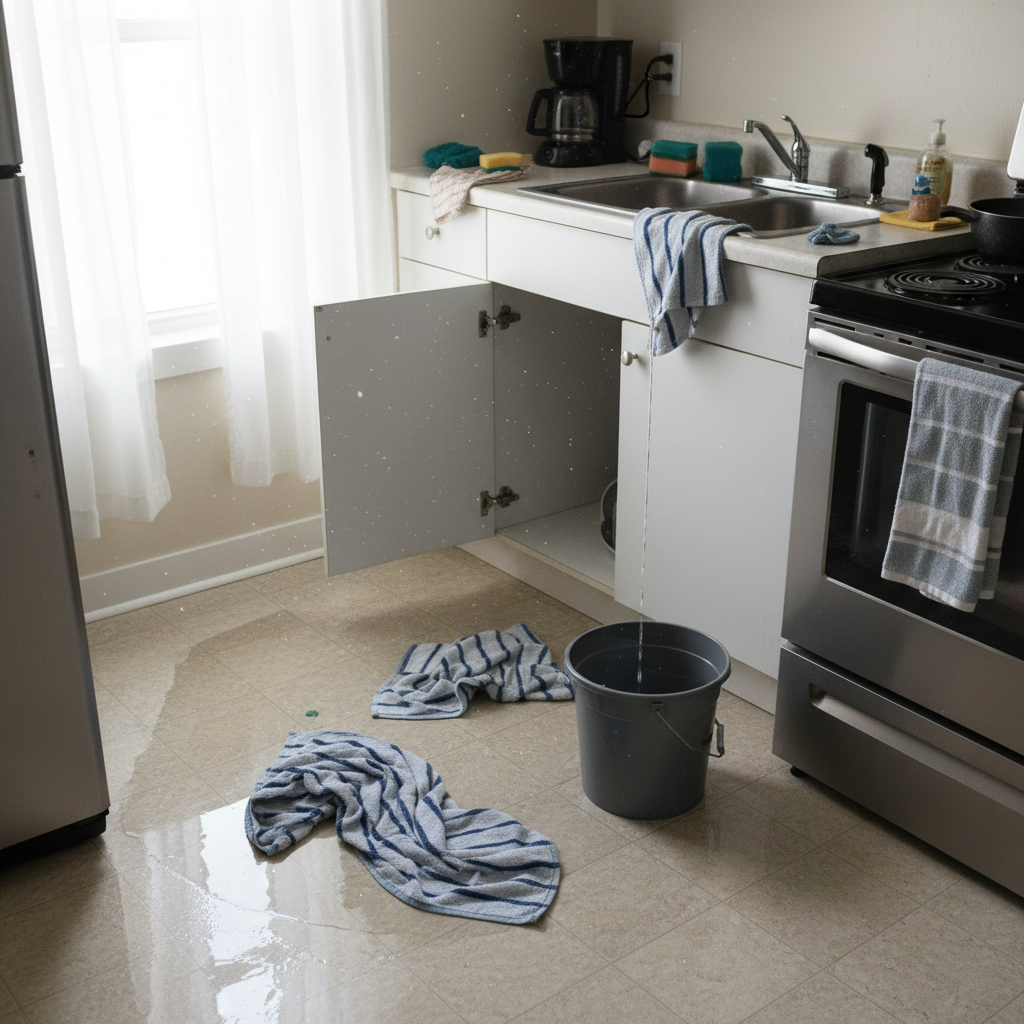
- Reduce further damage: Towels for leaks, board a door, move items off wet floors.
- Document: Photos/videos, serial numbers, and a list of damaged items.
- Call your broker or insurer: We advise on coverage triggers and next steps.
- Adjuster guidance: Provide receipts, keep damaged items unless told otherwise, follow repair or replacement guidance.
- Track expenses: Keep invoices for ALE-eligible costs like lodging and meals.
| Step | Who Does What | Helpful Tips |
|---|---|---|
| Document loss | You photograph/video and list items | Note serials; upload to cloud |
| Open claim | You/broker notify insurer | Provide COI/lease if asked |
| Inspection | Adjuster evaluates damage | Keep damaged items until cleared |
| Settlement | Insurer issues payment per policy | Review RCV vs. ACV details |
Types, Endorsements, and Special Situations
Not every renter has the same risks. Tailor coverage with the right policy structure and add-ons.
Common Structures
- Package tenant policy: Bundles contents, liability, and ALE; most renters start here.
- Replacement cost upgrade: Turns ACV into RCV on eligible items for smoother recovery.
- Higher liability limit: Consider if you host often, have pets, or live in a building with shared amenities.
Endorsements Worth a Look
- Sewer backup: Valuable in older buildings or units below grade; damage remediation can be extensive.
- Overland water: Responds to heavy rainfall/snowmelt events that push surface water into living spaces.
- Scheduled property: Add appraised jewelry, bikes, or instruments to lift sublimits.
- Identity theft/data: Some carriers offer assistance services for compromised identity events.
Shared Spaces, Roommates, and Students
- Roommates: Policies usually protect the named insured(s). Unnamed roommates need their own policy.
- Students: Belongings away-at-school may be covered under a parent’s policy within limits—confirm specifics.
- Short-term sublets: Check lease and insurer rules; subletting can change risk and eligibility.
Condo vs. Apartment Considerations
- Condo corporations: They insure common elements and building structure. Your policy handles your contents and liability.
- Deductible assessment: If the condo policy assesses part of a loss to a unit owner, policies can offer coverage—ask how this interacts when you’re a tenant.
- Resource: For condo-specific questions, see our practical insights in the condo insurance coverage guide.
Best Practices for Ontario Renters
Practical habits improve claim outcomes and reduce stress.
Protecting Your Belongings
- Photo inventory: Walk each room and snap photos of valuables and serial numbers.
- Cloud backup: Save receipts and warranties to a secure drive.
- Micro-prep: Keep a small go-bag with essentials (IDs, charger, meds) for unexpected evacuations.
Reducing Common Losses
- Water sensors: Place under sinks and near appliances. Early alerts limit damage.
- Cooking safety: Unattended pans top many fire claims—use timers and splatter guards.
- Door and window checks: Simple routines deter theft in ground-level or basement units.
Policy Hygiene
- Update limits after big purchases: New laptop? E-bike? Tell your broker.
- Review endorsements annually: Weather patterns shift—your coverage should too.
- Understand exclusions: Read water exclusions and specialty item sublimits before a loss—not after.
Soft CTA: Want a quick coverage check? Our Whitby team can review your lease requirements and provide options from multiple insurers—start via the tenant insurance service page.
Tools & Resources (Ontario-Focused)
Use these to plan coverage and stay organized.
- Coverage checklist: Contents limit, liability limit, ALE, water endorsements, scheduled items, RCV vs. ACV.
- Digital inventory template: Create a folder by room; add photos, serials, and receipts.
- Policy snapshot: One-page summary with broker contact, policy number, and renewal date—keep it on your phone.
Want help connecting dots across coverages? Scan our Ontario primers such as types of insurance in Canada and our home insurance broker overview to see how tenant policies complement landlord and condo master policies.
Mini Case Studies: Ontario Renters in Real Life
These brief scenarios reflect common claims patterns and how coverage performs when it counts.
Basement Leak in Durham
- Scene: Heavy rain forces water through a basement window well in a Whitby rental.
- Impact: Damaged sofa, rug, and game console; temporary relocation needed during drying.
- Coverage: Overland water endorsement responds; ALE covers lodging/meals within policy terms.
- Broker role: Chase helps confirm endorsement, advises on next steps, and coordinates adjuster timing.
Kitchen Fire in Toronto Mid-Rise
- Scene: Oil flare-up chars cabinetry; smoke affects neighboring hallway.
- Impact: Contents loss plus potential building damage billing back to the tenant.
- Coverage: Contents and liability respond; ALE supports short-term hotel stay.
- Broker role: We help document contents, clarify responsibility lines with property management, and keep momentum on settlement.
Student Theft in Waterloo
- Scene: Laptop stolen from a shared house during finals week.
- Impact: Student needs a replacement quickly to finish coursework.
- Coverage: Contents replacement cost smooths recovery; sublimits reviewed for electronics.
- Broker role: We confirm documentation, liaise with the insurer, and explain future-proofing steps (locks, tracking devices).
Landlord Certificate in Mississauga
- Scene: New building requests proof of tenant liability before granting elevator booking for move-in.
- Impact: Tight timelines for keys and delivery coordination.
- Coverage: Policy already active; COI issued to property manager the same day.
- Broker role: Our team provides the certificate and helps verify lease-specified liability limits.
FAQ: Straight Answers for Ontario Renters
-
Is tenant insurance required by law in Ontario?
No. It isn’t legislated province-wide, but many landlords include it in the lease. Even when not required, it’s practical protection for contents, liability, and living costs after a covered loss.
-
What’s the difference between my landlord’s policy and mine?
A landlord’s policy protects the building and their liability. Your tenant policy covers your belongings, your personal liability, and your additional living expenses. They complement, not replace, each other.
-
Do I need sewer backup or overland water coverage?
If your unit is below grade, near older infrastructure, or in heavy rainfall zones, these add-ons are worth evaluating. They fill common water gaps that surprise renters after storms or spring thaws.
-
Does tenant insurance cover roommates?
Policies usually protect only the named insured(s). Unnamed roommates should carry their own policy. Always confirm with your broker before assuming shared coverage.
-
What documents help during a claim?
Photos/videos, receipts, serial numbers, your lease, and a basic inventory make claims smoother. Keep a digital copy with your policy number and broker contact handy.
Related Topics to Explore
- How tenant policies complement landlord building insurance
- When to schedule specialty items like jewelry or bikes
- Best practices for student rentals and shared housing
- Choosing RCV vs. ACV based on your gear
Wrap-Up: Move In Confidently
- Key Takeaways
- Tenant insurance brings three pillars: contents, liability, and ALE.
- Ontario riders like sewer backup and overland water can be pivotal.
- RCV typically delivers a smoother recovery than ACV after losses.
- Roommates, students, and condo tenants have unique considerations—ask early.
- Action Steps
- List your must-haves: limits, endorsements, replacement cost.
- Build a 20-minute photo inventory on your phone.
- Request proof of insurance for your landlord when ready.
- Compare options with a licensed Ontario broker.
Ready to get your coverage sorted today? Our Whitby-based team at 400 Dundas St E (G‑T4A) can help you compare quotes across multiple leading insurers and issue landlord certificates quickly. Start via our tenant insurance service page or explore complementary protection like rental property insurance insights for owners and managers in your network.