Personal Auto Insurance: Save More and Drive Safer in 2026
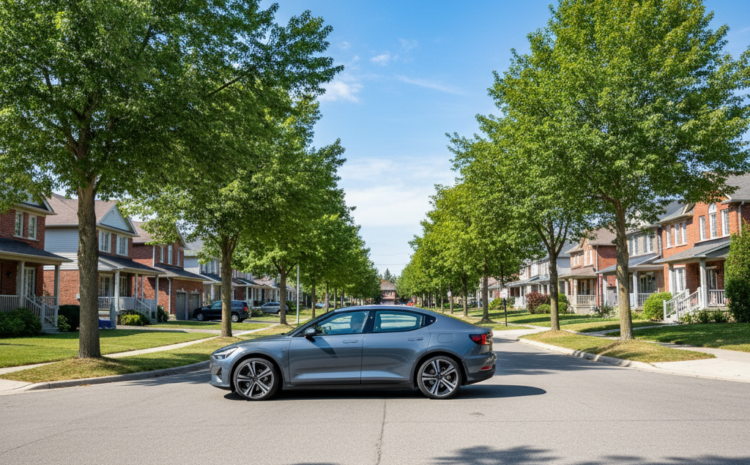
Personal auto insurance is a contract that protects you, your passengers, and your vehicle from financial loss after a crash, theft, or other covered events. In Ontario, it includes mandatory protections like liability, accident benefits, direct compensation property damage, and uninsured automobile. Smart add-ons and broker guidance help tailor coverage to how you actually drive.
By Chase Insurance Brokers Ltd. • Last updated: 2026-04-16
Quick Answer
Personal auto insurance covers your liability to others and your own medical/vehicle losses from covered events. For drivers near 400 Dundas St E G-T4A in Whitby, Chase Insurance Brokers compares multiple Ontario insurers and adds the right endorsements so your policy matches your daily routes, garage type, and risk profile.
At a Glance
Personal auto insurance works by combining mandatory Ontario protections with optional coverages and discounts that match how you drive. Use a licensed Whitby broker to compare carriers, add smart endorsements, and coordinate bundles so your liability, accident benefits, and vehicle protections fit your lifestyle and budget goals.
- What you’ll learn:
- What personal auto insurance includes in Ontario
- How brokers tailor coverage and find multi‑insurer savings
- Which endorsements solve real‑world gaps (like rentals and depreciation)
- How claims, deductibles, and discounts actually work
- Why this guide:
- Built for GTA/Ontario drivers by a Whitby‑based brokerage
- Action‑oriented checklists and local examples you can use today
- Independent advice across Aviva, Intact, Economical, Echelon, Jevco, Premier, and more
- Fast navigation:
Local Tips
- Tip 1: If you commute via Highway 401 or Brock St, ask about commute‑use ratings and winter tire discounts—Ontario insurers reward risk‑reducing habits.
- Tip 2: In lake‑effect snow near Whitby Shores, consider roadside assistance and rental car endorsements; storms increase collision and downtime risk.
- Tip 3: Garage type matters. Let your broker know if you park in a driveway off Dundas St E or underground—storage affects theft and comprehensive risk.
IMPORTANT: Share accurate mileage, parking, and drivers. Brokers like Chase use this to match carriers and unlock better policy terms.
What Is Personal Auto Insurance?
Personal auto insurance in Ontario is a regulated package that combines liability for injuries or damage you cause with protections for your medical care and your car. The foundation is mandatory coverage; you can then add optional endorsements to close gaps for rentals, depreciation, and specialty needs.
- Core definition: A legal and financial safety net for private passenger vehicles used for personal, pleasure, and commute‑to‑work purposes.
- Ontario’s mandatory parts:
- Third‑party liability (you injure others or damage property)
- Accident Benefits (medical, rehab, income replacement)
- Direct Compensation – Property Damage (DCPD) (your car when not at fault)
- Uninsured Automobile (hit by uninsured/unknown driver)
- Why it’s standardized: Ontario law sets minimums so every driver carries baseline protection; limits and add‑ons are then customized.
- Who regulates it: The Financial Services Regulatory Authority of Ontario (FSRA) governs insurers and policy forms across the province.
According to FSRA guidance, all Ontario auto policies use a standard policy form, which improves clarity when comparing insurers. That consistency is why broker comparisons work so well across multiple markets.
Insurance Bureau of Canada (IBC) notes that liability and benefits rules are updated periodically, so reviewing coverage annually helps keep pace with regulation and lifestyle changes.
Why Personal Auto Insurance Matters
Auto collisions create medical bills, legal exposure, and vehicle downtime. A well‑built personal auto policy protects your finances, preserves mobility with rentals and roadside help, and shields your savings from lawsuits. The right broker ensures limits, deductibles, and endorsements match how and where you drive.
- Protects your assets: Adequate liability limits help safeguard savings and future earnings from third‑party claims.
- Keeps you moving: Rental vehicle and loss‑of‑use options reduce disruption while your car is being repaired.
- Supports recovery: Accident Benefits fund medical and rehab needs that provincial health plans may not fully address.
- Confidence during claims: A broker coordinates with the insurer, preferred shops, and adjusters so you navigate steps correctly.
According to the Insurance Institute for Highway Safety (IIHS), advanced driver assistance features reduce certain crash types materially; pairing tech with sound coverage multiplies protection. NHTSA reports that seat belts cut fatal‑injury risk significantly, underscoring why safety behaviors and insurance go hand in hand.
In our experience serving Whitby and the GTA, the best outcomes happen when drivers align limits with their net worth and add endorsements that reflect commute patterns and parking realities.
How Personal Auto Insurance Works
Your broker gathers driver, vehicle, and usage data, matches you to insurers that fit your profile, and recommends limits, deductibles, and endorsements. If you file a claim, your policy dictates coverage while the broker helps coordinate adjusters, body shops, rentals, and documentation through resolution.
- 1) Underwriting inputs:
- Driver history, accidents, and licensing
- Vehicle make, model, safety tech, and value
- Annual mileage, commute routes, and storage (garage/driveway/street)
- 2) Policy build:
- Choose liability limits aligned with assets
- Select deductibles balancing savings and out‑of‑pocket risk
- Add endorsements (OPCF) filling lifestyle gaps
- 3) Claims support:
- Immediate safety steps and documentation
- Insurer authorization for repair or replacement paths
- Rental coordination and timelines
- 4) Annual reviews:
- Update mileage, drivers, and parking
- Re‑shop markets if your profile changed
- Bundle with home or business where appropriate
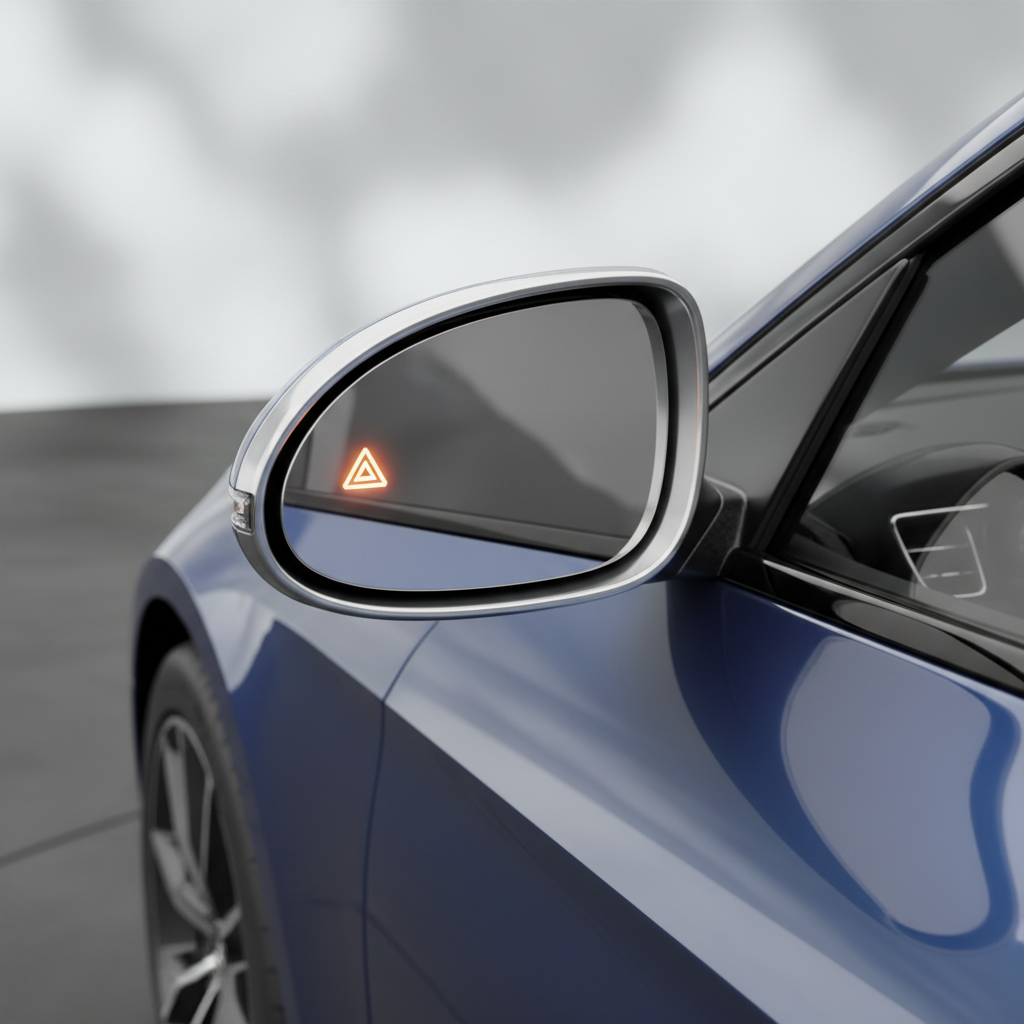
IIHS research found blind‑spot monitoring correlates with materially fewer lane‑change crashes, and rear cross‑traffic alerts help in parking collisions—good reminders to note vehicle safety features in your application. Transport Canada has similarly highlighted the role of ADAS in crash mitigation across urban corridors.
Coverage Types and Smart Endorsements
Start with Ontario’s mandatory protections, then add collision, comprehensive, and endorsements that fit your life. Popular options cover rental cars, remove depreciation on new vehicles, and extend coverage to non‑owned autos. A broker helps you combine these without overlap or hidden gaps.
- Mandatory foundation (Ontario):
- Third‑party liability
- Accident Benefits
- DCPD
- Uninsured Automobile
- Optional vehicle protections:
- Collision (your car after an at‑fault crash)
- Comprehensive (theft, hail, vandalism, falling objects)
- Specified perils (named non‑collision perils)
- High‑value endorsements (OPCF):
- OPCF 20 – Loss of Use (rental coverage while repairing)
- OPCF 27 – Liability for Damage to Non‑Owned Autos (rental cars)
- OPCF 43/43A – Removing Depreciation Deduction (keeps replacement value on new vehicles)
- OPCF 32 – Use of Automobiles for Carrying Passengers (where applicable)
- Endorsement pairing tips:
- New car? Pair comprehensive + OPCF 43 for depreciation protection.
- Frequent rentals? Add OPCF 27 to avoid separate counter add‑ons.
- Long commutes? Consider loss‑of‑use and roadside assistance.
IBC has reported heightened theft activity in major metros; comprehensive with theft‑prevention measures (steering locks, tracking) is prudent. According to municipal police services across the GTA, overnight driveway thefts often target high‑value SUVs—declare anti‑theft devices to your broker.
Best Practices for Ontario Drivers
Document your vehicle and drivers, share accurate mileage and parking details, and review coverage annually. Bundle home or business lines when appropriate, and set deductibles you can actually afford. A broker will re‑shop markets when life changes impact your profile.
- Share accurate data:
- Licensed drivers in the household and their usage
- Average annual mileage and commute patterns
- Parking (underground vs driveway vs street)
- Adjust limits and deductibles:
- Match liability to assets and risk tolerance
- Choose deductibles that won’t derail your budget
- Leverage bundles:
- Combine auto with home, condo, tenant, or rental property
- Ask about small business auto if you operate a work vehicle
- Keep proof tidy:
- Digital pink slips and claim photos stored safely
- VIN, mileage, and maintenance records organized
NHTSA finds distracted driving remains a leading crash factor; reducing phone use and enabling driver‑assist features supports safety—and often eligibility for preferred markets. In our Whitby practice, proactive documentation speeds quoting and improves outcomes when claims arise.
Tools and Resources That Actually Help
Use telematics to reward good driving, digital ID cards for proof, and broker portals for updates. A modern brokerage coordinates insurers, shops, and rentals while giving you one point of contact for questions on coverage, endorsements, and claims.
- Telematics programs:
- Score smooth acceleration, braking, and daytime driving
- Potential rewards for safe habits over time
- Digital conveniences:
- Mobile proof of insurance and paperless policy docs
- Online change requests (drivers, vehicles, address)
- Broker advantage:
- One advisor to compare carriers and explain trade‑offs
- Claims guidance from first call to settlement
According to a 2025 industry pulse from IBC, connected‑car data and app‑based telematics continue to expand in Canada, aligning premiums more closely with real driving behavior.
Looking for a quick comparison across multiple insurers? Explore our auto insurance options and get broker guidance from our Whitby office.
Pricing Factors and Discounts (No Numbers, Just What to Watch)
Your premium reflects driver history, vehicle risk, usage, and where you live and park. Insurers then apply discounts for winter tires, clean records, bundles, and telematics. Work with a broker to align deductibles, endorsements, and safety features for better eligibility and terms.
- Primary rating factors:
- Driving record, years licensed, and prior claims
- Vehicle type, value, repair costs, and theft risk
- Annual mileage, commute routes, and parking
- Postal code exposure and local collision frequency
- Common discounts:
- Winter tires and vehicle safety tech
- Multi‑vehicle and multi‑policy bundles
- Telematics/safe‑driver programs
- Conviction‑free or accident‑free status
- Deductible strategy:
- Higher deductibles trade lower premiums for more out‑of‑pocket risk
- Pick a number you can actually cover after a crash
Transport Canada has highlighted the link between winter tires and improved cold‑weather performance; many Ontario insurers recognize this with discounts. In our experience, pairing tires with telematics often broadens carrier options for commuting drivers on Highway 401.
Comparison: Broker vs Direct vs Bank vs Aggregator
Brokers compare multiple insurers, explain coverage trade‑offs, and advocate during claims. Direct writers sell one brand, banks partner with limited carriers, and aggregators provide quick estimates without advising on endorsements. If you value guidance and market access, a broker delivers the broadest fit.
| Channel | Market Access | Coverage Advice | Claims Support | Who It Fits |
|---|---|---|---|---|
| Independent Broker (Chase) | Multiple carriers (Aviva, Intact, Economical, etc.) | High: tailor endorsements and limits | Yes: advocate across parties | Drivers who want choice + guidance |
| Direct Writer | Single brand only | Moderate: options limited to one insurer | Brand‑managed | Brand‑loyal or simple needs |
| Bank‑Affiliated | Few partner carriers | Moderate | Bank support team | Existing bank clients |
| Online Aggregator | Many quotes; limited advice | Low: not advisory | Varies; not claims advocates | DIY shoppers who know coverage |
As we outline in our broker vs direct guide, the brokerage model shines when you need endorsements, tailored limits, and long‑term claims support.
Local Case Examples (Whitby & GTA)
Real‑world Ontario scenarios show why endorsements and broker access matter. New cars, frequent rentals, and commuter collisions all benefit from tailored limits, depreciation waivers, and rental coverage. A Whitby broker coordinates carriers and shops so you return to normal faster.
- New vehicle on Dundas St E:
- Driver picks up a new SUV and adds OPCF 43 to protect value from depreciation.
- Bundle with home insurance for broader eligibility and potential savings.
- Weekend rental in Niagara:
- Client uses OPCF 27 for rental car liability—no need to buy at the counter.
- Collision + comprehensive on the main vehicle keep protections aligned.
- 401 commute fender‑bender:
- DCPD applies when not at fault; broker coordinates rental via OPCF 20.
- Accident Benefits support medical needs beyond provincial plans.
- Driveway theft overnight:
- Comprehensive responds; anti‑theft devices documented in the file.
- Broker liaises with adjuster and preferred repair network.
According to IBC and regional police bulletins, organized auto theft remains an elevated risk in Southern Ontario. Parking strategies, tracking devices, and garage storage reduce exposure and support smoother claims.
FAQ: Personal Auto Insurance
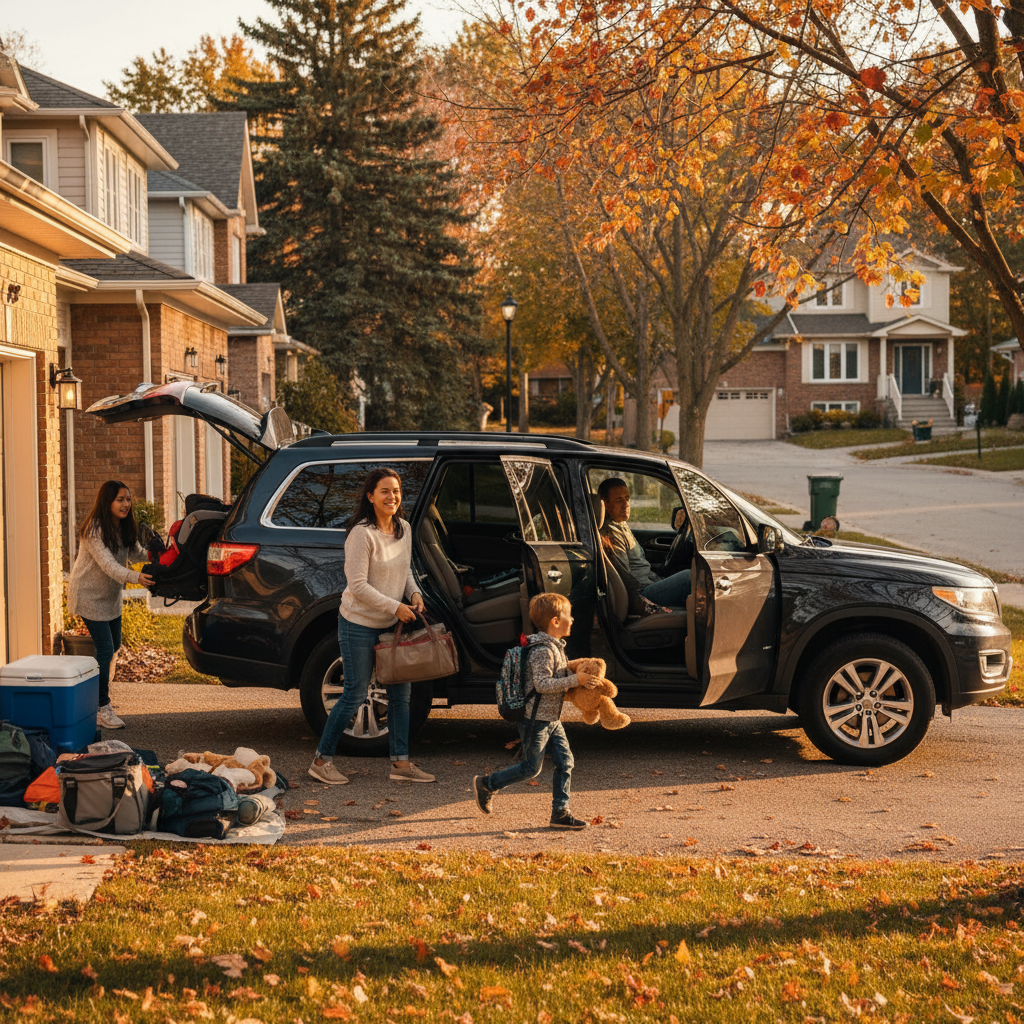
Ontario drivers often ask about coverage scope, rental cars, endorsements, and claims. The key is to align mandatory protections with add‑ons like depreciation waivers and loss‑of‑use, then keep proof and photos handy. A local broker guides you step‑by‑step during incidents.
- How do I choose the right liability limit?
Match coverage to your assets and potential exposure. Higher limits protect savings and future earnings if you injure someone. A broker can benchmark typical selections for drivers with similar profiles and explain umbrella options when needed.
- Do I need rental coverage if I have another car?
If a second car exists, you may tolerate downtime. If not, OPCF 20 is valuable—especially for commuters. We recommend adding it when a single vehicle supports work or family transport.
- Does my policy cover rental cars?
OPCF 27 extends certain protections to non‑owned vehicles you rent or borrow. Confirm details with your broker before your trip to avoid duplication at the rental counter.
- What should I do right after a collision?
Ensure safety, call emergency services if needed, document photos, exchange info, and contact your broker. We help you report the loss, review coverages, and coordinate rentals and repairs.
- Can technology help my premium over time?
Telematics can reward smooth, distraction‑free driving and daytime trips. Discuss programs available from our partner insurers—results vary by driving behavior and program design.
Wrap‑Up: Make Your Policy Work Harder
Build on Ontario’s mandatory foundation with targeted endorsements and realistic deductibles. Share accurate details, review annually, and lean on a broker who can compare multiple carriers and advocate in claims. That’s how you turn insurance into real‑world resilience.
- Key takeaways:
- Personal auto insurance starts with standardized Ontario protections
- Endorsements like OPCF 20/27/43 solve rental and depreciation gaps
- Usage, safety tech, and parking influence eligibility and discounts
- Brokers align markets, advice, and claims support in one place
- Next steps:
- Review your declaration page for limits and endorsements
- Ask us to compare carriers based on mileage and parking
- Bundle auto with home, condo, or tenant for eligibility benefits
Ready to fine‑tune your coverage? Start here: our Ontario auto insurance guide explains coverage trade‑offs, and our savings checklist outlines proven steps drivers can take.
Related Topics to Explore
Auto protection works best as part of a broader plan. Review your home policy, tenant or condo coverage, and any business exposures so your assets and mobility are protected end‑to‑end with one coordinated strategy.
- Home, Condo, or Tenant coverage integration
- Rental Property liability alignment
- Small Business vehicle and commercial policy coordination