
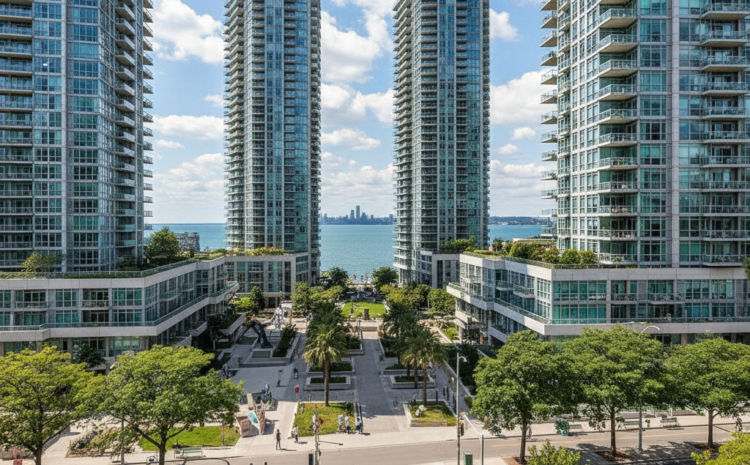
Condo Insurance Solutions: Save Money and Stress Less in 2026
Condo insurance solutions refer to the specific coverages, endorsements, and broker-led steps that protect your unit, belongings, improvements, and personal liability beyond your building’s master policy. In Ontario, the right solution blends unit owner coverage, loss assessment, water protection, additional living expense, and liability—aligned to your condo’s bylaws and standard unit definition.
By NEIL THAKKAR — Chase Insurance Brokers Ltd.
Last updated: 2026-04-17
Quick Answer
For Whitby and GTA owners, the most reliable condo insurance solutions pair a unit-owner policy (contents, improvements, liability) with loss assessment and modern water protection. Bring your building’s certificate of insurance to our office at 400 Dundas St E G-T4A so we can match coverage to your bylaws and close gaps fast.
At a Glance
Condo insurance works best when it mirrors your building’s rules and closes gaps the master policy leaves. Start with unit coverage and liability, then add loss assessment and water protection. Use a Whitby-based broker to compare multiple insurers and document-by-document match your coverage to building bylaws.
- What you’ll learn:
- How condo insurance interacts with a master policy and bylaws
- Which endorsements matter most in Ontario (water, loss assessment, improvements)
- Step-by-step to align your coverage and avoid claim surprises
- Real Ontario examples and a broker-backed action plan
- Who this helps:
- First-time buyers and seasoned owners across the GTA and Ontario
- Investors renting out a unit who need clear tenant vs. owner responsibilities
- Owners planning renovations or upgrades in Whitby, Toronto, and nearby cities
- Why Chase Insurance Brokers:
- Ontario-focused brokerage at 400 Dundas St E G-T4A, Whitby
- Access to multiple insurers (Aviva, Intact, Economical, Echelon, Jevco, Premier)
- Personalized guidance and fast responses cited in Google reviews
Local Tips
- Tip 1: If your building’s on Lake Ontario’s shoreline or near ravines off Highway 401, ask us to review sewer backup and overland water options. Water is a leading cause of condo claims in Ontario, and location matters.
- Tip 2: Renovating a Whitby or Toronto unit? Get written approval from your condo board and request a temporary coverage review before work begins to ensure your improvements and liability are properly addressed.
- Tip 3: Renting your unit near GO Transit hubs? Confirm tenant insurance requirements in your bylaws and have your renter provide proof of liability coverage annually—many condo corporations now expect it.
IMPORTANT: These tips are based on our Ontario brokerage experience and align with services we provide to condo owners across Whitby and the Greater Toronto Area.
What Is Condo Insurance?
Condo insurance for unit owners protects your belongings, upgrades, personal liability, and certain assessments the building’s policy doesn’t cover. It bridges gaps between the condo corporation’s master policy (structure/common areas) and your responsibilities inside the unit, including improvements and additional living expenses after an insured loss.
Condo insurance is the policy you, as a unit owner, purchase to protect what your condo corporation’s master policy does not. The master policy typically insures the building structure and common elements. Your unit policy covers personal property, betterments and improvements, personal liability, loss of use, and—when added—loss assessment that can apply to special charges following covered building claims.
- Master policy vs. unit policy:
- Master policy: Building shell, common elements, shared liability as defined by bylaws.
- Unit policy: Your contents, unit improvements, personal liability, and living expenses.
- Key documents to gather:
- Standard unit definition (what the corporation considers “standard” finishes)
- Condominium bylaws and declaration (rules that drive coverage responsibility)
- Certificate of insurance (COI) for the building’s master policy
- Why this matters:
- Bylaws can shift responsibility for upgrades back to you after a loss.
- Loss assessments may charge owners for deductibles or shortfalls after certain claims.
- Personal liability protects you if a guest is injured or damage spreads to other units.
Why Condo Insurance Solutions Matter in Ontario
Ontario buildings vary in bylaws, standard unit definitions, and water exposures. Tailored condo insurance solutions ensure your policy mirrors these realities. The best approach aligns improvements, loss assessments, and water protection to your specific building so one claim doesn’t become a costly out-of-pocket surprise.
Because each Ontario condo corporation sets its own rules, two owners in neighboring buildings can face very different responsibilities after a loss. A tailored condo policy—coordinated with the standard unit definition, bylaws, and master policy—prevents gaps. In our Whitby and GTA experience, the biggest issues come from water-related damage, improvements, and building deductible assessments.
- Local realities:
- Lake-effect weather, freeze–thaw cycles, and intense storms increase water-related claims.
- Older buildings may rely on aging plumbing stacks; newer towers can have high deductibles.
- Unit renovations are common, making “betterments and improvements” coverage crucial.
- Risk drivers we see:
- Water damage is consistently cited as a top condo claim type in Canada.
- Loss assessments can include part of a building deductible or uncovered costs.
- Liability claims arise from slip-and-fall injuries or damage that spreads to neighbors.
- Broker advantage (Whitby/GTA):
- We compare multiple insurers—Aviva, Intact, Economical, Echelon, Jevco, Premier—to find fit and flexibility.
- We match coverage to your documents, so improvements and assessments are properly addressed.
- We respond quickly, helping you adjust coverage when your unit or bylaws change.
How Condo Insurance Works With Your Building’s Master Policy
Your condo corporation insures the building and common areas; your unit policy protects what’s inside, your liability, and certain assessments. The right coverage is document-driven: obtain bylaws, the standard unit definition, and the master policy COI so your broker can align limits and endorsements.
To build the right policy, start with three documents: the standard unit definition, the bylaws/declaration, and the building’s certificate of insurance. These establish which finishes are “standard,” what the corporation covers, and what deductibles apply. Then, your broker aligns your unit coverage, improvements, loss assessment, liability, and water endorsements to those rules.
| Area | Master Policy (Corporation) | Unit Owner Policy (You) |
|---|---|---|
| Structure & Common Elements | Building shell, hallways, elevators, common rooms | Not covered (except via assessments); focus is inside your unit |
| Standard Finishes | As defined by the standard unit description | Improvements beyond standard (e.g., premium floors, custom cabinetry) |
| Personal Property | Not covered | Your furniture, clothing, electronics, and valuables (subject to limits) |
| Personal Liability | Corporation’s liability for common areas | Your liability for injuries or damage originating from your unit |
| Loss Assessment | Corporation may assess owners after certain covered claims | Endorsement can help pay your share or deductibles assessed |
| Additional Living Expense | Not typically provided to unit owners | Pays for temporary housing when a covered loss makes your unit uninhabitable |
- Action checklist:
- Request your building’s COI and standard unit definition from property management.
- Share documents with us to audit for improvement responsibilities and deductibles.
- Align your policy’s improvements, loss assessment, and water endorsements accordingly.
- Helpful reading: See our short explainer on condo vs. home insurance differences for context.
Types of Condo Insurance Solutions (Coverages & Endorsements)
The core unit-owner policy covers contents, liability, and additional living expense. Smart add-ons in Ontario include betterments and improvements, loss assessment, sewer backup, overland water, equipment breakdown, and optional earthquake. These endorsements tailor protection to your building’s documents and local exposures.
A complete solution blends your base condo policy with targeted endorsements. In practice, Ontario owners benefit from betterments/improvements for upgraded finishes, loss assessment for building deductibles, and modern water protection (sewer backup and overland) for storm and infrastructure risks. Add equipment breakdown for key appliances and consider earthquake where required by lenders.
- Base protections:
- Personal property: Furniture, electronics, clothing (with special limits for valuables).
- Personal liability: Injuries or damage you cause to others, including to other units.
- Additional living expense: Hotel/rent when a covered loss forces you out temporarily.
- High-impact endorsements for Ontario:
- Betterments & improvements: Covers upgrades beyond the standard unit (e.g., hardwood, custom kitchens).
- Loss assessment: Helps with your share of certain assessments or building deductibles.
- Sewer backup: Responds to damage from drain/sewer backup inside your unit.
- Overland water: Addresses surface water entering at or above ground level.
- Equipment breakdown: Protects against sudden mechanical/electrical failure of key equipment (e.g., built-in appliances, HVAC in some buildings).
- Earthquake: Optional; lender requirements vary across Ontario.
- Identity theft/data: Optional add-on some insurers offer for personal cyber events.
- Special situations:
- Home-based business: Add limited business contents/liability if you work from home and your policy allows.
- Subletting or rentals: Clarify tenant vs. owner responsibilities; require tenant insurance.
- Short-term rentals: Many policies exclude or restrict; consult us before listing.
- Real-world examples (Whitby/GTA):
- Kitchen upgrade from laminate to quartz counters triggers an improvements limit need.
- Stormwater overwhelms area drains—overland water endorsement becomes critical.
- Building suffers a covered loss; the corporation assesses owners a portion of the deductible—loss assessment responds (subject to terms).
- Where to start: Our Condo Insurance service page outlines what to gather so we can tailor endorsements to your building.
Best Practices for Ontario Condo Owners
Audit your building documents, inventory your upgrades, and align endorsements (loss assessment, improvements, water). Set practical deductibles, require tenant insurance for rentals, and schedule a 12-month policy review. These steps prevent the most common claim surprises we see across Whitby and the GTA.
The best outcomes happen when owners treat insurance as part of property management. Collect the standard unit definition, bylaws, and building COI, then document upgrades and valuables. With those in hand, your broker can precisely set improvements, loss assessment, and water endorsements and right-size liability and deductibles for your situation.
- Document-driven setup:
- Pull the standard unit definition and highlight any non-standard finishes you’ve added.
- Note building deductibles; align loss assessment and improvements accordingly.
- Share all documents with your broker—accuracy here prevents coverage gaps.
- Water readiness:
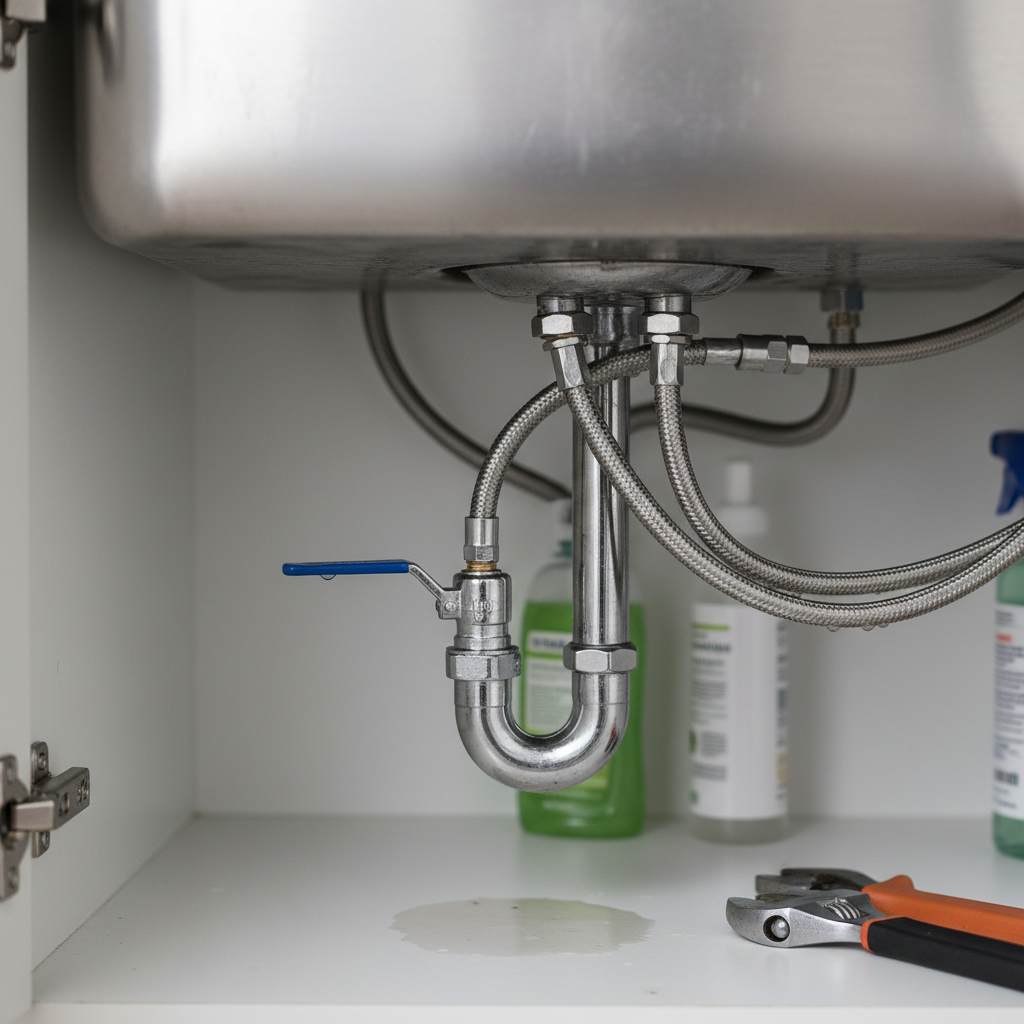
- Install leak detectors under sinks and near appliances; test shutoff valves twice a year.
- Consider sewer backup and overland water endorsements where available.
- Report any recurring building drainage issues to management in writing.
- Liability & living expense:
- Confirm liability limits meet lender or board expectations.
- Check Additional Living Expense terms—know what lodging/meals are covered during repairs.
- If you rent your unit:
- Require tenant insurance with liability coverage and annual proof.
- Clarify who insures appliances and contents; document this in the lease.
- For longer context, see our tenant insurance overview.
- Annual review rhythm:
- Revisit your policy every 12 months or after any renovation/purchase.
- Update your home inventory with photos or an app; back it up to the cloud.
- Ask us to compare insurers if your situation changed—we have market options.
- Helpful guide: Our concise Condo Insurance Coverage Guide walks through these steps.
Talk to a Whitby Broker (Soft CTA)
Have your standard unit definition and building COI? Email them or stop by 400 Dundas St E G-T4A. We’ll line up endorsements to your documents and compare Aviva, Intact, Economical, Echelon, Jevco, and Premier for a strong fit.
Tools, Resources, and Documents You’ll Need
Gather your building COI, standard unit definition, and bylaws. Create a quick home inventory, list upgrades, and note building deductibles. With these, your broker can quote multiple insurers efficiently and align endorsements like improvements, loss assessment, and water protection to your exact risk.
A streamlined toolkit speeds quoting and improves accuracy: building COI, standard unit definition, bylaws/declaration, upgrade list with approximate dates, and a simple contents inventory. This set lets us audit responsibilities, align improvements and assessments, and right-size water, liability, and living expense coverage with minimal back-and-forth.
- Essential documents:
- Certificate of insurance (building)
- Standard unit definition
- Bylaws and declaration
- Any recent notices on deductible changes or water restrictions
- Your info checklist:
- List of upgrades (e.g., floors, counters, fixtures) with approximate install dates
- Contents inventory (photos + basic categories: furniture, electronics, clothing)
- Any business-use details (home office equipment, client visits, etc.)
- Quoting workflow (what we do):
- Review your documents and flag responsibilities (standard vs. upgrades).
- Recommend endorsements and limits matched to building deductibles and bylaws.
- Market your risk to partner insurers for options and eligibility.
- Explain trade-offs in plain language so you can decide confidently.
- Set renewal reminders and a 12-month review cadence.
- Helpful reference: For a broader home review, our Ontario home insurance checklist keeps things organized.
- Planning renovations? See this local renovation primer for condo-specific considerations in Whitby: condo renovation guidance (use with your board’s rules).
Case Studies and Real-World Examples
Small details prevent big problems: aligning improvements, loss assessment, and water endorsements with your building’s rules stops surprise bills. These Ontario scenarios show how document-matched coverage changes outcomes—from burst hoses to building-wide assessments.
The following Ontario-based scenarios illustrate how tailored endorsements change real outcomes. Each case highlights the role of documents—bylaws, standard unit, and building COI—in determining responsibility. When coverage mirrors those documents, owners avoid surprise assessments and reduce out-of-pocket disruption.
- Whitby kitchen upgrade + leak:
- Situation: A dishwasher hose fails, damaging upgraded hardwood floors.
- Impact: Without improvements coverage, upgrades are out-of-pocket.
- Solution: Improvements endorsement restores non-standard finishes (subject to terms).
- GTA storm + building deductible assessment:
- Situation: Heavy rainfall leads to widespread water entry in multiple units.
- Impact: Corporation issues an assessment to cover part of the master policy deductible.
- Solution: Loss assessment endorsement helps respond to the assessed amount (when covered).
- Toronto balcony planter overflow:
- Situation: Water overflows onto a neighbor’s balcony and into their living room.
- Impact: Neighbor’s property damage triggers a liability claim.
- Solution: Personal liability provides defense and settlement (subject to policy).
- New investor + tenant responsibilities:
- Situation: An owner rents a unit near a GO station; tenant causes kitchen grease fire.
- Impact: Contents and living expense questions arise; landlord vs. tenant duties unclear.
- Solution: Lease requires tenant insurance; owner policy covers improvements and liability exposure.
- Planned renovation + board approval:
- Situation: Owner replaces countertops and shower systems in a Whitby high-rise.
- Impact: Board approval needed; contractor certificates requested; insurance implications change.
- Solution: Temporary policy review ensures improvements are updated and liability is adequate.
- New purchase due diligence:
- Situation: Buyer requests building COI and standard unit definition before waiving conditions.
- Impact: Identifies high building deductibles and limited water protection up front.
- Solution: Broker pre-aligns endorsements and explains implications prior to closing; see this overview of property purchase due diligence for parallel legal checks.

Frequently Asked Questions
Condo FAQs focus on how unit policies interact with master policies, which endorsements matter, and what documents you need. The short answers: gather building documents, add improvements and loss assessment, and talk to a broker to align water protection and liability.
- How do I match my policy to the master policy?
Ask property management for the standard unit definition, bylaws, and building COI. Share them with us. We’ll compare responsibilities, highlight deductibles, and tailor improvements, loss assessment, and water endorsements to those documents. This document-first approach is the fastest way to prevent coverage gaps.
- What does loss assessment actually cover?
Loss assessment can help when your corporation legally assesses owners after certain covered building claims—often for a share of the master policy deductible or shortfall. Terms vary by insurer, so we’ll match limits and triggers to your building’s bylaws and historical practices.
- Is water protection really necessary in a condo?
Yes. Water damage is consistently a top condo claim type in Canada. Endorsements like sewer backup and overland water address different sources of water entry. Buildings near lakes, ravines, or older infrastructure often benefit most. We’ll recommend options based on your building’s location and history.
- Do I need improvements coverage if my finishes are “standard”?
If your finishes truly match the standard unit description and you haven’t upgraded, improvements coverage may be less critical. But standards can change, and many units have at least one upgrade. We’ll review your documents and photos to confirm whether an improvements limit is still wise.
- What if I plan to rent out my unit?
Require tenant insurance with liability coverage and keep proof on file annually. Clarify responsibilities in the lease for contents and appliances. If you use short-term rental platforms, talk to us first—many policies restrict or exclude them unless specifically arranged.
Conclusion and Next Steps
Great condo insurance is document-matched, not generic. When your policy reflects the standard unit definition, bylaws, and building deductibles—and includes improvements, loss assessment, and water protection—you avoid the most common surprises and recover faster after a loss.
- Key takeaways:
- Start with your building’s documents; they drive responsibility.
- Add improvements and loss assessment to mirror your real risks.
- Modern water coverage matters across Whitby and the GTA.
- Annual reviews keep coverage aligned as buildings and units change.
- Action steps:
- Request your building COI, bylaws, and standard unit definition today.
- List any upgrades with approximate installation dates.
- Email documents or bring them to 400 Dundas St E G-T4A.
- We’ll compare multiple insurers and tailor endorsements to your unit.
Book a Condo Coverage Review in Whitby
Bring your building documents to our Whitby office and get a document-matched recommendation from a Chase Insurance Brokers specialist. You’ll understand your options clearly and feel confident in your protection.
Related Articles
Explore related topics on our site for deeper context: differences between condo and home insurance, Ontario tenant insurance responsibilities, and full home insurance checklists. These articles build on the steps outlined here without repeating them.