
Condo Insurance Quote: Save Money & Stress Less in 2026
A condo insurance quote is an estimate of the coverage and terms an insurer can offer for your individual condo unit and belongings, separate from your building’s master policy. To get a reliable condo insurance quote in Ontario, compare coverage limits, water protections, and liability with a licensed brokerage like Chase Insurance Brokers in Whitby.
By NEIL THAKKAR • Last updated: 2026-04-19
Overview
A condo insurance quote outlines the protection for your unit’s interior, your belongings, liability, and extra living costs—distinct from your condo corporation’s master policy. The best approach is to compare quotes across multiple insurers, match coverage to your building’s bylaws, and add water damage endorsements common to Ontario high-rises.
- What you’ll learn:
- What a condo insurance quote includes and how it differs from a master policy
- How to request, read, and compare quotes across Ontario insurers
- Which coverage add-ons matter most for GTA and Whitby buildings
- Best practices to qualify for better terms—without reducing protection
- Who this helps: Ontario condo owners, first-time buyers, investors, and downsizers seeking clear, practical guidance.
- Why Chase Insurance Brokers: We shop leading Canadian insurers (Aviva, Intact, Economical, Echelon, Jevco, Premier) so you can secure well-fitted protection with a single application, backed by fast, friendly service from our Whitby team.
Quick Answer
To get a condo insurance quote in Ontario, gather your condo declaration, improvements, and contents list, then ask a licensed broker to compare options from multiple insurers. At Chase Insurance Brokers (400 Dundas St E G-T4A, Whitby), we align quotes with your building’s bylaws and recommend water protections common in the GTA.
Local Tips
- Tip 1: Many Whitby and GTA condos near Lake Ontario face water-related exposures. Ask about sewer backup and overland water endorsements—especially in mid-spring when melt and heavy rain can coincide along Dundas St E and lake-adjacent areas.
- Tip 2: Winter freeze–thaw cycles can stress plumbing in older high-rises. Confirm your quote includes coverage for sudden and accidental water damage and reasonable additional living expenses if a burst pipe makes your unit unlivable.
- Tip 3: If your building has a high master-policy deductible, add loss assessment and deductible assessment coverage. We routinely review this for buildings around Brock St and the Whitby GO Station corridor.
IMPORTANT: Bring your condo corporation’s insurance certificate and bylaws to your broker—this is the quickest way to avoid coverage gaps.
What Is a Condo Insurance Quote?
A condo insurance quote is a personalized estimate detailing premiums, coverage limits, deductibles, and endorsements for your individual unit. It complements—not replaces—your condo corporation’s master policy by protecting your unit’s interior, your belongings, liability, and loss-of-use costs.
- Core idea: Your building’s master policy typically covers common elements (roof, elevators, hallways). Your policy covers your unit’s interior finishes, contents, and liability.
- Why this matters:
- Gaps often appear around unit improvements (betterments), water damage, and special assessments.
- Ontario condos frequently require owners to carry personal insurance as a bylaw condition.
- Real example (Whitby): An owner in a mid-rise near Dundas St E had luxury flooring not included in the original specs. Their condo insurance quote added improvements & betterments so upgrades would be restored after an insured loss.
- Action steps:
- Request your condo’s insurance certificate and bylaws.
- List upgrades since purchase (flooring, counters, fixtures).
- Estimate contents and set a practical deductible you can afford.
- Ask a broker to align limits with your building’s master policy.
For a deeper coverage walk-through, see our condo insurance coverage guide to understand where your policy starts and the master policy stops.
Why a Condo Insurance Quote Matters in Ontario
Ontario condo owners face water, liability, and assessment risks that the master policy doesn’t fully address. A tailored condo insurance quote ensures your improvements, contents, and additional living expenses are protected—and that special assessment and deductible gaps don’t become costly surprises.
- Top exposures we see in the GTA:
- Water damage: Leaks from units above, supply line failures, and sewer backup are frequent claim drivers in high-rises.
- High deductibles: Some buildings set large master-policy deductibles; owners may be charged back proportionally after certain losses.
- Loss assessments: Special assessments can be passed to owners when common elements are damaged and not fully covered.
- Market insight: Across Canada, industry data in 2025 continued to show water-related claims as a leading cause of home insurance losses—high-rises concentrate that risk in vertical living.
- Whitby perspective: Buildings near the lakeshore experience seasonal heavy rain and lake-effect weather. Matching endorsements to the building’s infrastructure is essential.
- Action you can take today:
- Get a current condo insurance quote that lists sewer backup and overland water endorsements where available.
- Confirm additional living expense duration (e.g., 12 months vs. more) for extended repairs.
- Verify limits for improvements & betterments and loss assessment.
How a Condo Insurance Quote Works (Step-by-Step)
Requesting a condo insurance quote is simple: gather your unit details and building bylaws, share upgrades and contents, choose a deductible, then let a broker compare multiple insurers. You’ll receive options with coverage limits, endorsements, and conditions so you can select the best fit.
- Gather basics:
- Address, square footage, floor level, construction year, and building type.
- Condo corporation name, bylaws, master-policy deductible, and insurance certificate.
- List your exposures:
- Improvements since purchase (e.g., stone counters, engineered floors).
- Contents inventory estimate (room-by-room photos help).
- Any home-based business or expensive items needing scheduling.
- Choose comfort levels:
- Deductible you can handle out-of-pocket for small claims.
- Preferred water endorsements, liability limits, and ALE duration.
- Let your broker shop the market: We compare options from Aviva, Intact, Economical, Echelon, Jevco, Premier, and others, presenting you with side-by-side choices.
- Decide and sign: Bind coverage digitally, schedule policy delivery, and set renewal reminders.
Want an expert to do the heavy lifting? Start at our condo insurance service page and we’ll match you with carriers that fit your building and risk profile.
Types of Coverage You’ll See in a Condo Insurance Quote
A complete condo insurance quote typically includes property coverage (improvements, unit betterments, contents), personal liability, additional living expenses, and optional endorsements for water damage and assessments. Matching these to your bylaws avoids gaps with the master policy.
- Improvements & betterments: Covers upgrades you or prior owners added beyond the original builder specs.
- Unit fixtures and finishes: Cabinets, counters, flooring, and built-ins—especially important if your bylaws push some interior damage to unit owners.
- Personal property (contents): Furniture, electronics, clothing, small appliances, décor; ask about sub-limits for jewelry, bikes, and collectibles.
- Personal liability: Protects if you’re legally responsible for injury or property damage to others.
- Additional living expenses (ALE): Pays for temporary accommodation and extra costs if a covered loss makes your unit uninhabitable.
- Loss assessment: Responds if the condo corporation assesses owners after an insured loss diminishes common elements.
- Deductible assessment: Addresses situations where part of the building’s deductible is assessed to your unit.
- Water endorsements:
- Sewer backup: Protects against damage from backed-up drains.
- Overland water: Covers water entering from outside due to heavy rain, rapid snowmelt, or overflow (availability varies by insurer and risk).
- Groundwater/seepage: May be offered as part of enhanced water packages.
- Identity theft/data compromise: Optional, useful for remote workers and frequent online buyers.
Not sure how this differs from a house policy? Our primer on condo vs. home insurance differences clarifies where responsibilities shift in multi-unit buildings.
Best Practices to Get a Better Condo Insurance Quote
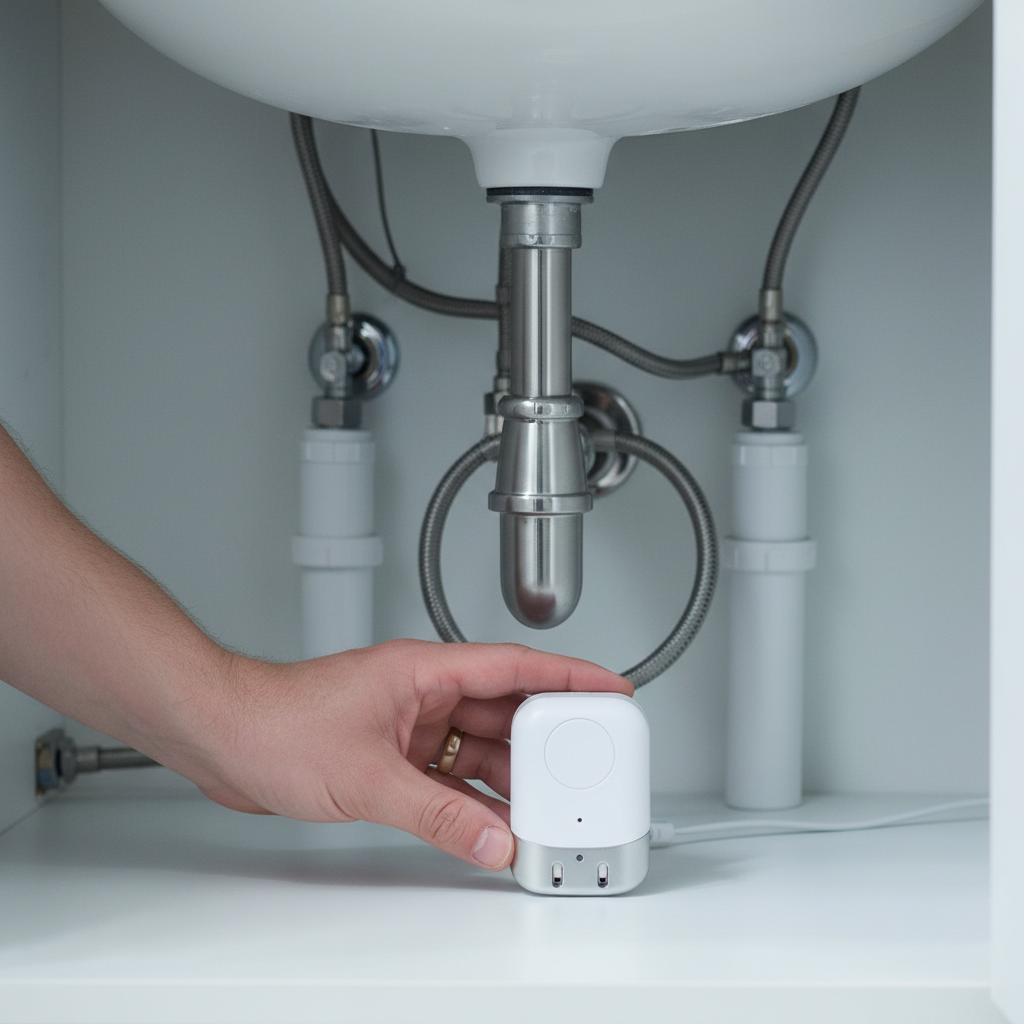
To improve your condo insurance quote, share accurate unit details, choose practical deductibles, document upgrades, and ask a broker to shop multiple carriers. Add loss mitigation steps—like water sensors or shutoff valves—to qualify for better terms while strengthening real protection.
- Document upgrades: Keep photos and invoices for flooring, cabinetry, and fixtures—proof supports appropriate betterments limits.
- Right-size deductibles: Selecting a deductible you can comfortably manage helps prevent filing small, frequency-raising claims.
- Mitigate common risks:
- Install smart water leak sensors and automatic shutoff valves.
- Use braided steel supply lines on toilets and sinks.
- Replace aging hoses and caulk around tubs/showers.
- Bundle strategically: If you also drive, bundling condo and auto policies with one insurer can streamline administration and may unlock favorable terms.
- Ask for endorsements by building: We tailor water packages, assessments, and ALE durations to your corporation’s bylaws and deductible structure.
- Annual review: Refresh limits after renovations or major purchases and when your building updates its master policy.
Pricing Factors for Condo Insurance in Ontario
Your condo insurance pricing depends on building attributes, your coverage selections, claims history, and risk controls. Ontario carriers weigh water exposure, construction type, master-policy deductibles, your chosen limits, and your claim record to determine final terms.
- Building profile: Year built, construction materials, plumbing and electrical updates, floor level, and number of stories.
- Location factors: Proximity to large water bodies, flood-prone zones, and prior loss frequency in the neighborhood.
- Coverage & deductibles: Higher limits and broader water endorsements increase protection and affect terms; higher deductibles reduce small-claim frequency.
- Claims history: Prior water or liability claims influence how markets respond.
- Risk mitigation: Sensors, monitored alarms, and well-maintained supply lines can improve your profile.
- Assessment landscape: Buildings with elevated master-policy deductibles may require stronger assessment coverages.
Want a personalized read on these factors? Our Whitby team will review your building’s certificate line-by-line during your quote request and recommend the right endorsements.
Comparison: Condo Insurance vs. Master Policy vs. Tenant Insurance
Condo insurance protects your unit interior, contents, liability, and ALE. The master policy protects common elements. Tenant insurance covers renters’ contents and liability, not structure. Align your personal policy to building bylaws so interior finishes and assessments aren’t left unprotected.
| Feature | Condo Insurance (Owner) | Master Policy (Corporation) | Tenant Insurance (Renter) |
|---|---|---|---|
| What it protects | Unit interior, contents, liability, ALE, assessments | Common elements (roof, halls, elevators) | Contents and liability; no building elements |
| Who buys it | Individual condo owner | Condo corporation via property manager | Tenant/renter of a unit |
| Typical gaps | Insufficient betterments, weak water endorsements | High deductibles, limited unit interior responsibility | No coverage for unit finishes or assessments |
| Key add-ons | Water packages, loss/deductible assessment | Directors & officers, boiler & machinery | Scheduled items, sewer backup (varies) |
Investors leasing out a condo should coordinate owner and tenant policies so water, liability, and loss-of-use protections align across both parties.

Tools & Resources to Compare Condo Insurance Quotes
Use a licensed brokerage to compare multiple Canadian insurers with one application. Bring your bylaws and master-policy certificate, then review side-by-side options, endorsements, and deductibles. Align selections to real risks in your building rather than chasing minimal coverage.
- Broker advantage: With Chase, one form accesses Aviva, Intact, Economical, Echelon, Jevco, Premier, and others—saving you time while improving fit.
- Reference documents: Condo declaration/bylaws, master-policy certificate, any recent building notices about deductibles or water systems.
- Reading a quote: Check definitions, exclusions, water packages, sub-limits, assessment clauses, and ALE duration; confirm replacement cost terms on improvements and contents.
- When buying a condo: Legal and mortgage steps often run in parallel. For broader context on risk checks before purchase, see this overview of property purchase due diligence from a local legal resource.
Ready to move forward? Start here: Condo Insurance with Chase—we’ll coordinate your documents and deliver a clear recommendation.
Case Studies: Real-World Ontario Examples
Small coverage choices make big differences. These brief Ontario scenarios show how aligning your condo insurance quote with bylaws, water risks, and assessments can protect your budget and reduce stress when something goes wrong.
- Whitby mid-rise (improvements & water):
- Situation: Renovated kitchen; building increased master-policy deductible after recent claims.
- Approach: We added stronger betterments coverage, sewer backup, and deductible assessment.
- Outcome: When a dishwasher line failed, unit finishes and temporary accommodation were addressed per policy terms.
- Downtown Toronto high-rise (assessment risk):
- Situation: A mechanical room incident damaged elevators and lobbies.
- Approach: Loss assessment and higher ALE duration selected at binding, reflecting tower repair timelines.
- Outcome: Owner addressed special assessment exposure while maintaining suitable living arrangements during extended remediation.
- Durham Region investor unit (coordination with tenant):
- Situation: Landlord policy in place, tenant carried their own contents/liability.
- Approach: We synchronized owner and tenant responsibilities; owner retained assessment protections, tenant added sewer backup.
- Outcome: Clear division of responsibilities and smoother claims handling after a bathroom overflow.
Best Practices for Reading Your Quote (And What to Ask)
Focus on what’s covered, what’s excluded, and how water, assessments, and ALE are handled. Ask your broker to map your quote to the building’s bylaws and master-policy deductible so you know exactly where your personal policy begins.
- Coverage map: Request a one-page summary showing how your policy pairs with the master policy on interiors, water, and assessments.
- Water clarity: Confirm triggers for sewer backup and overland water; check any waiting periods or loss thresholds.
- Assessment fine print: Validate how deductible assessments work and the maximum your policy will pay.
- ALE duration: Towers can take longer to restore. Ensure your living expense timeline matches realistic repair windows.
- Sub-limits: Jewelry, bikes, and collectibles may need scheduling for full replacement value.
- Renewal plan: Put building updates and your renovations on an annual review calendar.
How Chase Insurance Brokers Streamlines Your Condo Insurance Quote
We collect your building documents once, then shop leading Canadian insurers for you. You receive side-by-side options, plain-English recommendations, and fast responses—so you can secure the right protection without juggling multiple applications or phone calls.
- Multi-carrier access: We work with Aviva, Intact, Economical, Echelon, Jevco, Premier, and more.
- Ontario-wide help, Whitby convenience: In-person or virtual—your choice. Our office is at 400 Dundas St E G-T4A.
- Education-first approach: We explain coverage options clearly and document choices for future reference.
- Smooth onboarding: Digital signatures, quick binding, and help coordinating lender and condo corporation requirements.
Exploring policies beyond condo insurance? Browse our Home Insurance resources for broader property insights.
Frequently Asked Questions (FAQ)
These short answers cover the most common condo insurance quote questions we hear from Ontario owners and first-time buyers. For building-specific guidance, share your bylaws and certificate during a quick broker call.
- How do I get a condo insurance quote fast?
Share your address, building name, unit upgrades, and contents estimate with a licensed broker. Provide bylaws and the master-policy certificate. With Chase, one application accesses multiple insurers for side-by-side choices. - What’s the difference between my policy and the master policy?
The master policy covers common elements and sometimes basic unit components, depending on bylaws. Your policy covers interior finishes, contents, liability, ALE, and assessments tied to your unit. - Which water coverages should Ontario condo owners consider?
Sewer backup and, where available, overland water. In older towers or lake-adjacent neighborhoods, enhanced water packages are often recommended. Availability varies by insurer and local risk. - Do I need loss assessment coverage?
It’s a prudent safeguard in buildings with high master-policy deductibles or limited coverage for certain common elements. We check bylaws and recent notices before recommending limits. - Is condo insurance required by law?
There’s no universal mandate, but condo corporations, lenders, and bylaws often require owners to carry personal coverage. It’s also the practical way to protect your interior and belongings.
Pricing, Value, and Renewal Strategy (Without Numbers)
Think value, not just price. Right-sized limits, water endorsements, and assessment protections prevent outsized losses later. Review annually, especially after renovations or bylaw updates, so your condo insurance quote stays aligned with real-world risks.
- Value lens: Focus on total protection for your scenario rather than the smallest premium.
- Renewal checklist:
- Any building deductible or bylaw changes?
- New renovations, appliances, or high-value purchases?
- Updates to water systems or flood mitigation in your building?
- Lender coordination: Ensure your policy names the lender where required and that certificates match closing timelines. For broader closing context, this note on mortgage closing considerations is helpful background while you coordinate insurance.
Related Articles
Looking to keep learning? Use these topic prompts to go deeper on condo coverage and multi-line savings across Ontario.
- How sewer backup and overland water endorsements interact in high-rise living
- Coordinating owner and tenant policies in an investment condo
- Annual review checklist for condo owners after building bylaw updates
- When to schedule jewelry, bikes, and collectibles
Need help comparing quotes?
Get a personalized recommendation from our Whitby team. We’ll align your condo insurance quote with building bylaws and water risks—then handle the paperwork.
Conclusion
A strong condo insurance quote does three things: it fits your building’s bylaws, closes water and assessment gaps, and sets realistic living expense support. With a broker shopping multiple insurers, you get clear choices and a policy you can trust when life gets messy.
Key Takeaways
- Bring your bylaws and master-policy certificate to avoid gaps.
- Water and assessment protections are core in Ontario condos.
- Match ALE duration to realistic restoration timelines in towers.
- Use a broker to compare carriers and simplify decisions.
Questions about your building’s deductible or water plan? Our Whitby office is ready to help you align your condo insurance quote with real-world risks—before move-in or renewal.