
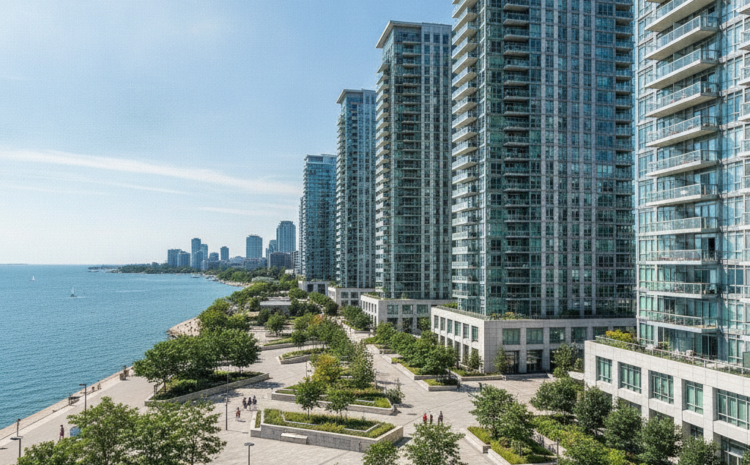
Condo Insurance in Ontario: What Affects Cost in 2026
Condo insurance in Ontario is a unit owner’s policy that protects your improvements, contents, personal liability, and certain assessments that flow down from the condo corporation’s master policy. In Whitby and across the GTA, it closes coverage gaps the building’s policy doesn’t touch, helping owners recover quickly after water, fire, theft, or liability claims.
By Chase Insurance Brokers Ltd. · Last updated: 2026-07-02
Your 2026 Ontario Condo Insurance Guide (Hook + TOC)
This complete guide explains how Ontario condo insurance works, what your condo corporation’s master policy does not cover, and how to choose the right limits and endorsements. Use the table of contents to jump to comparisons, best practices, and Whitby-specific tips so you can make confident, informed decisions.
You want simple, straight answers before you renew or buy a unit. Here’s what you’ll find:
- What “standard unit,” improvements, and loss assessment actually mean
- How master policies interact with your own coverage, step by step
- Smart limits and endorsements Ontario owners commonly select
- Condo vs tenant vs home insurance: side-by-side differences
- Whitby-specific notes (yes, real tips for local buildings)
- Actionable checklists you can use before you bind coverage
Table of contents
- At a Glance
- What Is Condo Insurance in Ontario?
- Why Condo Insurance Matters
- How Condo Insurance Works
- Types of Condo Coverage (and Key Endorsements)
- Comparisons: Condo vs. Tenant vs. Home
- Best Practices for Ontario Condo Owners
- Tools and Resources
- Case Studies and Examples
- Frequently Asked Questions
- Conclusion and Next Steps
At a Glance
Ontario condo insurance protects your unit’s upgrades, contents, personal liability, and certain condo-corporation assessments. It complements—rather than duplicates—the building’s master policy. The right limits and water protections are essential because most claims in high-rises and low-rises involve water damage and liability exposures.
- Primary purpose: Fill gaps the master policy doesn’t cover (your improvements, belongings, and your liability).
- Core parts: Improvements and betterments, contents, additional living expenses, personal liability, and loss assessment.
- Critical decisions: Water damage options, liability limit, and matching your improvements value to real upgrades.
- Local angle: Many Whitby buildings publish “standard unit” schedules; owners insure anything beyond that baseline.
- When to review: After renovations, board bylaw changes, or if your building raises its master-policy deductible.
What Is Condo Insurance in Ontario?
Condo insurance in Ontario is a unit owner’s policy that covers your condo’s interior upgrades, personal property, additional living expenses, personal liability, and certain charges assessed by your condo corporation. It is different from the building’s master policy, which focuses on common elements and the structure.
Condo corporations carry a master policy for the building and common elements. Your unit owner policy fills the gaps: interior finishes you control, your belongings, and your liability if someone is injured in your unit.
- Improvements and betterments: Anything beyond the board-defined “standard unit” (e.g., quartz counters, upgraded floors).
- Personal property: Furniture, clothing, electronics, and valuables (with sub-limits for some items).
- Additional living expenses: Hotel and meal costs if you can’t live in the unit after an insured loss.
- Personal liability: Protection if you’re held responsible for injury or property damage to others.
- Loss assessment: Helps pay your share if the corporation assesses owners after a covered loss.
For a quick primer tailored to Ontario owners, review our concise overview on condo insurance coverage and how it complements your building’s policy.

Why Condo Insurance Matters
Condo insurance matters because the master policy usually won’t rebuild your upgraded finishes or cover your personal liability. Owners also face assessments, temporary housing needs, and rising master deductibles, so a well-structured unit policy is essential for financial stability and faster recovery.
Here’s the thing: many first-time buyers assume “the building has insurance, so I’m covered.” That’s not how it works. The master policy centers on common elements and the building shell; you insure the space you control and your liability.
- Financial resilience: A single water event can affect multiple units; owners without the right water protection struggle to recover.
- Board assessments: If the corporation’s policy leaves a gap, owners may face a per-unit assessment.
- Temporary housing: Access to additional living expenses keeps life moving while repairs happen.
- Legal protection: Personal liability coverage defends and settles claims alleging you caused harm or damage.
- Mortgage and bylaws: Lenders and condo bylaws typically expect proof of active unit insurance.
In our experience advising Whitby owners, the most common surprises come from water claims and deductibles passed down after hallway or riser leaks. A structured policy helps avoid out-of-pocket shocks.
How Condo Insurance Works
Ontario condo insurance coordinates with the master policy. The building policy addresses common elements and structure, while your policy covers your interior finishes, belongings, liability, and assessments. Understanding claim flow, deductibles, and standard-unit rules prevents delays and closed-claim headaches.
Think of two layers:
- Master policy (condo corporation): Building structure, shared systems, and common areas.
- Your unit policy: Improvements you own, your contents, your liability, and certain assessments.
Typical claim flow (simplified)
- Incident occurs (e.g., burst pipe). Building and impacted owners notify the property manager and broker/insurer.
- Master policy responds to insured damage to common elements and building structure.
- Your unit policy responds to finishes beyond the “standard unit,” your contents, and your additional living expenses.
- Loss assessment coverage can respond if the corporation assesses owners for covered shortfalls.
- Liability coverage responds if you’re alleged to have caused third-party injury or damage.
Process table: who handles what
| Item | Master Policy | Your Policy |
|---|---|---|
| Building structure & common elements | Usually covered | Not applicable |
| Standard unit finishes | Often covered | Contingent if master doesn’t respond |
| Upgrades (improvements & betterments) | Not covered | Covered (select proper limit) |
| Owner’s contents | Not covered | Covered (subject to sub-limits) |
| Additional living expenses | Not covered | Covered (time-limited) |
| Personal liability | Not covered | Covered (choose sound limit) |
| Loss assessment | N/A | Covered (if endorsed) |
Want the deeper dive? Our plain-English walkthrough in the Condo Insurance Coverage Guide unpacks endorsements, water options, and claim coordination in Ontario buildings.
Types of Condo Coverage (and Key Endorsements)
Ontario unit policies bundle core protections—improvements, contents, additional living expenses, and personal liability—with optional endorsements. Smart add-ons often include water protections, loss assessment, contingent coverage for standard-unit gaps, and higher limits for valuables or short-term rental exposures.
Core coverages
- Improvements & betterments: Set a limit that reflects every upgrade you’ve made or inherited with the unit.
- Personal property (contents): Inventory your belongings and note sub-limits for jewelry, art, bikes, and collections.
- Additional living expenses: Covers temporary housing and meals while repairs happen after an insured loss.
- Personal liability: Protects against injury or damage claims; review limits and consider an umbrella if needed.
- Loss assessment: Responds to covered assessments levied by the condo corporation after insured events.
Common Ontario endorsements
- Water protections: Options may address damage from inside your unit or backup/overflow scenarios; review building plumbing history.
- Contingent coverage: If the master policy won’t cover defined “standard unit” finishes, this can step in.
- Scheduled valuables: Specifically list high-value items to bypass sub-limits and confirm appraisals where needed.
- Unit rented to others: Discloses short-term or long-term rental use; tailors liability and contents accordingly.
- Identity theft/cyber incident: Select carriers include options relevant to remote-work lifestyles.
Planning a kitchen or bath upgrade? Confirm contractor insurance and building approvals. For renovation context, see this local perspective on Toronto condo renovation to understand typical upgrade scopes owners insure (finishes, fixtures, and built-ins).
Comparisons: Condo vs. Tenant vs. Home
Condo insurance differs from tenant and home insurance because it coordinates with a master policy and focuses on unit interiors and owner liability. Tenants insure contents and liability only; homeowners insure the entire dwelling. The comparison below clarifies responsibilities and typical gaps.
Side-by-side coverage comparison
| Feature | Condo Owner Policy | Tenant Policy | Homeowner Policy |
|---|---|---|---|
| Dwelling structure | Interior finishes only (plus upgrades) | Not covered | Covered (entire home) |
| Personal contents | Covered | Covered | Covered |
| Additional living expenses | Covered | Covered | Covered |
| Personal liability | Covered | Covered | Covered |
| Loss assessment | Available | Not applicable | Not applicable |
| Master policy coordination | Essential | Not applicable | Not applicable |
If you’re switching from renting to owning, skim our quick guide to tenant rights and insurance in Ontario before you buy. The differences explain why condo owners need distinct limits and endorsements.
Curious about how condo vs. detached home coverage diverges? We break down key distinctions in condo vs. home insurance, including what the master policy handles versus what lands on you as the owner.
Best Practices for Ontario Condo Owners
The best approach is to align your policy with your building’s bylaws and your actual upgrades. Request the standard-unit schedule, document every improvement, choose robust water and liability protections, and revisit limits after any renovation, board change, or life milestone.
Practical steps you can take this week
- Get the paperwork: Ask the property manager for the declaration, bylaws, insurance certificate, and standard-unit schedule.
- Map your finishes: List all upgrades (cabinets, counters, flooring, lighting) and keep receipts/photos in cloud storage.
- Check water history: Ask about prior riser leaks or backups; tailor water endorsements accordingly.
- Right-size liability: Choose a liability limit that matches your exposure and activities.
- Valuables plan: Review sub-limits; schedule jewelry, fine art, or bikes if needed.
- Short-term rental disclosure: Tell your broker if you host; rules and coverage change when you rent to others.
- Contractor controls: For renovations, require insured contractors and building approval letters on file. For perspective on insured trades, see this note on insured contractors for multi-unit projects.
When you’re ready, we can streamline options from multiple Canadian insurers and align them with your building’s documents. Start with our quick condo insurance quote and we’ll handle the legwork.
Tools and Resources
Use checklists and building documents to set smart limits. Combine your standard-unit schedule, improvement inventory, and water-history notes with a broker-led quote review. Then revisit after renovations or board changes to keep coverage aligned.
- Internal guides: Our coverage guide and quick online quote help you select limits fast.
- Pre-construction context: Understand interim occupancy and typical finishes via this pre‑construction condo guide before you insure upgrades.
- Renovation reference: Browse a Toronto condo renovation overview to visualize finishes owners typically insure.
- Local support: When you’re ready, our Whitby team coordinates documents with your property manager and carrier.
Prefer a walk-through? We can review your building’s insurance certificate and bylaws with you and translate them into plain English—no jargon, just clarity.
Case Studies and Examples
Real scenarios show how coverage responds. Water, upgrades, and assessments drive most claims we see. Aligning your improvements, water options, and loss assessment limit ahead of time prevents delays and reduces out‑of‑pocket surprises when something goes wrong.
1) Riser leak impacts multiple units
A vertical riser leak affects three floors in a Whitby mid‑rise. The master policy addresses common elements and structural repairs. Owners with robust water options tap their policies for upgraded floors and cabinets; additional living expenses fund temporary housing. A few receive a modest assessment—covered by their loss assessment endorsement. For background on water responsibilities, see our local note on water damage in Whitby condos.
2) Kitchen upgrade inherited at purchase
You buy a unit with a premium kitchen: quartz counters, tile backsplash, and custom lighting. The “standard unit” schedule shows builder-grade finishes. You set an improvements limit reflecting the higher-end materials and keep photos on file. Months later, a dishwasher leak damages cabinets—your improvements coverage and water endorsement respond.
3) Short-term rental weekends
You occasionally host short stays. You disclose the activity, adjust liability and contents terms, and follow building rules. After a guest accidentally damages a door and rug, your adjusted condo policy addresses repairs; liability would respond if a guest were injured.

Local considerations for Whitby
- Ask your manager for the latest standard‑unit schedule; some buildings near the Whitby Public Library – Central Library maintain detailed finish lists owners must match.
- Plan for seasonal freeze‑thaw: review water protections before winter and spring melt to align with building plumbing history.
- If you’re renovating near heritage areas like the Lynde House Museum, confirm any condo-specific guidelines and contractor insurance before work starts.
Talk to a Whitby-based broker, not a call center. We’ll compare multiple Canadian insurers and translate bylaws into clear coverage. Start your Ontario condo insurance quote.
Frequently Asked Questions
Ontario condo owners insure the space they control—finishes, contents, and liability—while the master policy covers the building and common elements. Good policies also include loss assessment and the right water options. These concise answers address the questions we hear most.
What does condo insurance cover that the building’s policy doesn’t?
Your unit policy covers interior finishes beyond the standard unit, your personal property, additional living expenses, and your personal liability. It may also include loss assessment coverage if the condo corporation charges owners after a covered event.
Is condo insurance required in Ontario?
While provincial law doesn’t mandate it, most mortgage lenders and condo bylaws expect unit owners to maintain active insurance. It protects your upgrades, belongings, and liability and helps you meet building requirements.
How is condo insurance different from tenant insurance?
Tenant policies insure contents, additional living expenses, and liability for renters. Condo owner policies add improvements and loss assessment coverage and must coordinate with a condo corporation’s master policy and standard‑unit rules.
When should I adjust my condo policy limits?
Update limits after any renovation, when your board changes bylaws or deductibles, when your inventory grows, or when your living situation changes (e.g., hosting short‑term stays). Keep photos and receipts to document improvements.
Conclusion and Next Steps
The smartest move is aligning your unit policy with your actual finishes and your building’s bylaws. Confirm the standard unit, set improvements and contents limits, select strong water and liability options, and revisit after changes to your unit or your condo corporation.
- Key takeaways:
- Condo insurance in Ontario complements—doesn’t duplicate—the master policy.
- Water and liability protections carry the most real‑world impact for owners.
- Improvements limits should reflect every upgrade you’ve made or inherited.
- Loss assessment helps when corporations pass down covered shortfalls.
- Action steps:
- Get your building’s standard‑unit schedule and insurance certificate.
- Inventory your contents and upgrades; store photos and receipts securely.
- Review water and liability options with a broker who knows Whitby buildings.
- Start your Ontario condo insurance quote today.
Ready for local, plain‑English guidance? Book a quick consult with our Whitby team at Chase Insurance Brokers and we’ll translate bylaws into the right protection—so you can move in, or renew, with confidence.