

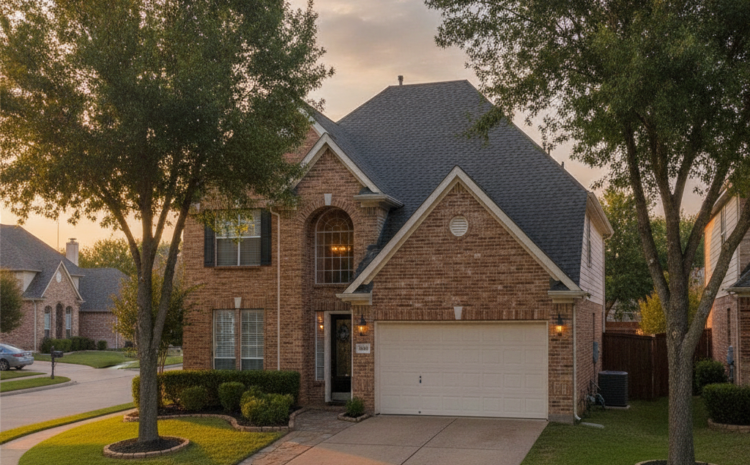
Average Home Insurance Cost: Avoid Overpaying in 2026
Average home insurance cost is the typical premium homeowners pay for coverage, driven by home features, local risk, and policy choices. In Whitby near 400 Dundas St E (G-T4A), Chase Insurance Brokers matches Ontario homes to the right protections and discounts, so you’re covered properly without paying for what you don’t need.
By Chase Insurance Brokers Ltd. • Last updated: 2026-06-22
Above the Fold: Quick Answer and Next Steps
There isn’t one “average home insurance cost” that fits every Ontario homeowner. Your price reflects rebuild details, location exposures, and coverages like water protection or liability. The fastest way to avoid overpaying is to compare multiple insurers through a licensed broker and adjust endorsements to your actual risks.
Here’s the thing: averages can mislead. Two similar-looking houses on the same street may see very different premiums because of age, materials, upgrades, claims history, and water exposure.
- What you’ll learn: how insurers price Ontario homes, which coverages drive premiums, and where savings really come from.
- Why this matters: protecting your largest asset means aligning coverage to risk—not chasing generic averages.
- Next step: request market comparisons and right-size your endorsements with our Ontario-licensed team.
At a Glance: Summary
Average home insurance cost is a benchmark, not a target. Ontario premiums hinge on replacement cost, water exposure, roof and plumbing age, deductibles, and endorsements. You control outcomes by improving risk (sump pump, alarms), bundling policies, and comparing carriers that favor your home’s profile.
- Primary levers: replacement cost accuracy, water protection scope, roof condition, and deductible choices.
- Common endorsements: sewer backup, overland water, service line, scheduled valuables.
- Broker advantage: access to multiple markets and guidance to avoid over-insuring or under-protecting.
What Does “Average Home Insurance Cost” Actually Mean?
“Average home insurance cost” refers to typical premiums over many policies, but it hides big differences between homes. Insurers price by rebuild value, local loss trends, and coverage choices. Use averages as a loose benchmark, then tailor coverage to your specific risks for real savings.
Let’s define it clearly. An average is a statistical snapshot across households, construction types, and neighborhoods. It’s useful for orientation, not decision-making.
- Averages mask detail: bungalow vs. two-story, brick vs. siding, copper vs. polybutylene plumbing—pricing shifts with build details.
- Coverage matters more: adding water endorsements, raising personal liability, or scheduling jewelry reshapes your premium profile.
- Local losses count: blocks with frequent water or wind claims influence rating more than a province-wide “average.”
In our experience advising Ontario homeowners, the most accurate way to plan is to anchor on your home’s replacement cost (materials, labor, debris removal). Review those attributes at least every 12 months, especially after renovations or roof work, so coverage stays aligned.
Why the Average Matters—And When It Doesn’t
Averages help you understand market direction, but your home is unique. In Whitby and across the Regional Municipality of Durham, micro‑factors—like roof age, sump pump presence, and nearby water—are stronger predictors than any headline number posted online.
So, does the average matter? As a conversation starter, yes. As your target, no.
- Benchmarking value: an average can prompt a checkup if your renewal seems out of step. Ask why. Was there a claim? Did endorsements change?
- Decision clarity: homeowners often conflate “average” with “fair.” Fair pricing aligns to your risk profile, not a provincial midpoint.
- Actionable moves: roof tune-ups every 24 months and plumbing upgrades away from outdated materials typically improve your insurability.
We regularly see two to three meaningful rating factors per home—roof condition, water mitigation, and liability needs—drive outcomes more than any broad average ever could.
Local considerations for Whitby
- Proximity to transit like Dundas St. @ Brock St. means steady traffic; consider liability limits that match foot and vehicle exposure around your property.
- Winter freeze–thaw swings stress roofs and eaves. Inspect every 12 months and after major storms to head off water intrusion.
- Near the Whitby Public Library – Central Library? Maintain sump pumps and backwater valves to mitigate local surface water and sewer surges during heavy rain.
How Home Insurance Pricing Works in Ontario
Ontario home insurance pricing blends replacement cost data, loss trends, and your chosen deductibles and endorsements. Underwriters weigh roof and plumbing age, water exposure, alarms, and claims history, then apply credits or surcharges. Bundling home and auto can unlock additional discounts with compatible carriers.
Insurers don’t guess. They measure. Your application captures dozens of attributes that turn into rating inputs.
- Rebuild metrics: square footage, stories, construction type, roof material, year built, major updates (roof, wiring, plumbing).
- Location signals: historical water and wind events within your postal code; distance to hydrants and fire stations; neighborhood claim frequency.
- Selected limits: dwelling limit tied to replacement cost, personal property at a percent of dwelling, and personal liability sized to your risk tolerance.
- Deductibles: higher deductibles generally reduce premium; balance savings against emergency funds you can access within 24–48 hours.
- Endorsements: sewer backup, overland water, service line, identity theft, and scheduled items each add targeted protection.
- Protective devices: monitored alarms, leak sensors, and backwater valves can earn credits and reduce loss severity.
Chase Insurance Brokers compares markets (Aviva, Intact, Economical, Echelon, Jevco, Premier, and others) to find carriers whose appetite matches your home. That match often matters more than any single discount.
For deeper context on coverage foundations, see our overview of what home insurance covers in Ontario. If your renewal moved, review what makes rates go up before you alter protections you’ll wish you had later.
Coverage Types and Endorsements That Move Your Premium
Your premium reflects the protections you select. Dwelling, personal property, additional living expense, and liability establish the core. Endorsements—especially sewer backup, overland water, and service line—target major risks in Ontario and can change pricing based on limits and deductibles.
Core coverages
- Dwelling (Coverage A): funds repair or rebuild of the home after insured loss. Keep values synced to current rebuild costs and materials.
- Other structures (Coverage B): detached garage, shed, fence. Adjust if you’ve added structures within the last 12 months.
- Personal property (Coverage C): furniture, clothing, electronics. Consider special limits for jewelry, bikes, instruments.
- Additional living expense (Coverage D): pays for temporary housing if a covered loss displaces you; review time limits and caps.
- Personal liability (Coverage E): protects against injury or property damage claims; align limits to your assets and exposure.
High-impact endorsements in Ontario
- Sewer backup: addresses losses from drained or reversed flow; verify sump pump, backwater valve, and power backup to prevent claims.
- Overland water: protects against surface water entering at ground; review municipal flood maps and lot grading annually.
- Service line: covers underground utility lines under your property; helpful for older neighborhoods and mature trees.
- Scheduled valuables: itemize jewelry, art, or collectibles with appraisals; expands limits and perils beyond blanket coverage.
- Identity theft: adds support and expense coverage if identity fraud triggers losses or legal tasks.
| Coverage / Endorsement | Protects Against | What Affects Pricing | Check Annually |
|---|---|---|---|
| Dwelling | Rebuild or major repair | Materials, square footage, contractor rates | Renovations, material changes (e.g., roofing) |
| Sewer backup | Water from drains/sewers | Limits, sublimits, deductible, past water claims | Sump pump status, backwater valve maintenance |
| Overland water | Surface water intrusion | Local flood risk, lot grading, limits | Gutters, downspouts, slope toward street |
| Service line | Underground utility failures | Home age, tree roots, soil conditions | Tree growth near lines, utility markings |
| Scheduled items | High-value personal property | Appraised values, security measures | Appraisal dates, safe storage, photos |
Want to see how coverage tradeoffs influence your renewal? Explore our guide to why some homes pay less and how to save without cutting essentials.
Best Practices to Keep Premiums in Check (Without Cutting Protection)
The most reliable way to keep home insurance affordable is to reduce risk and buy smart. Maintain the roof, manage water, upgrade outdated plumbing, install monitored alarms, and compare markets. Pair those steps with a deductible you can cover from savings within 24–48 hours.
Risk improvements with outsized impact
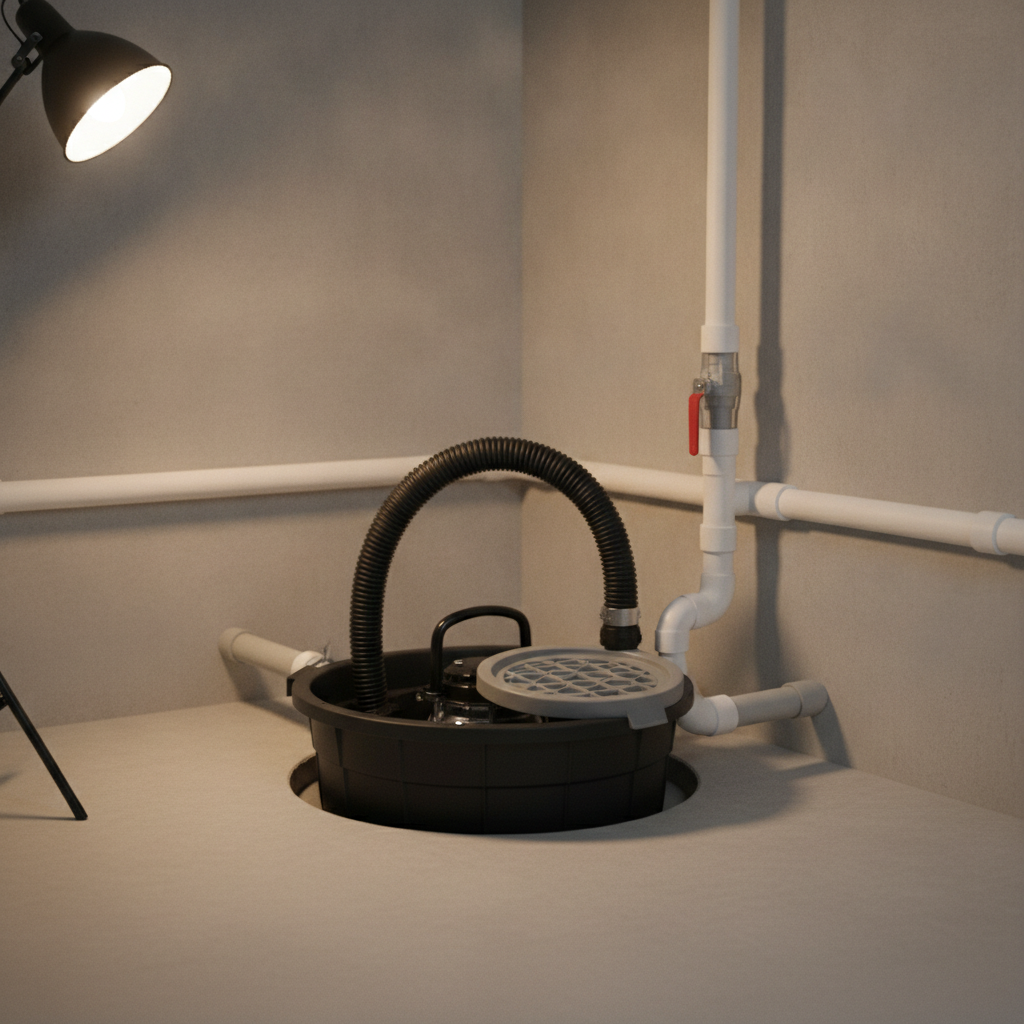
- Water defense: install a sump pump with battery backup and a backwater valve; test twice a year (spring and fall).
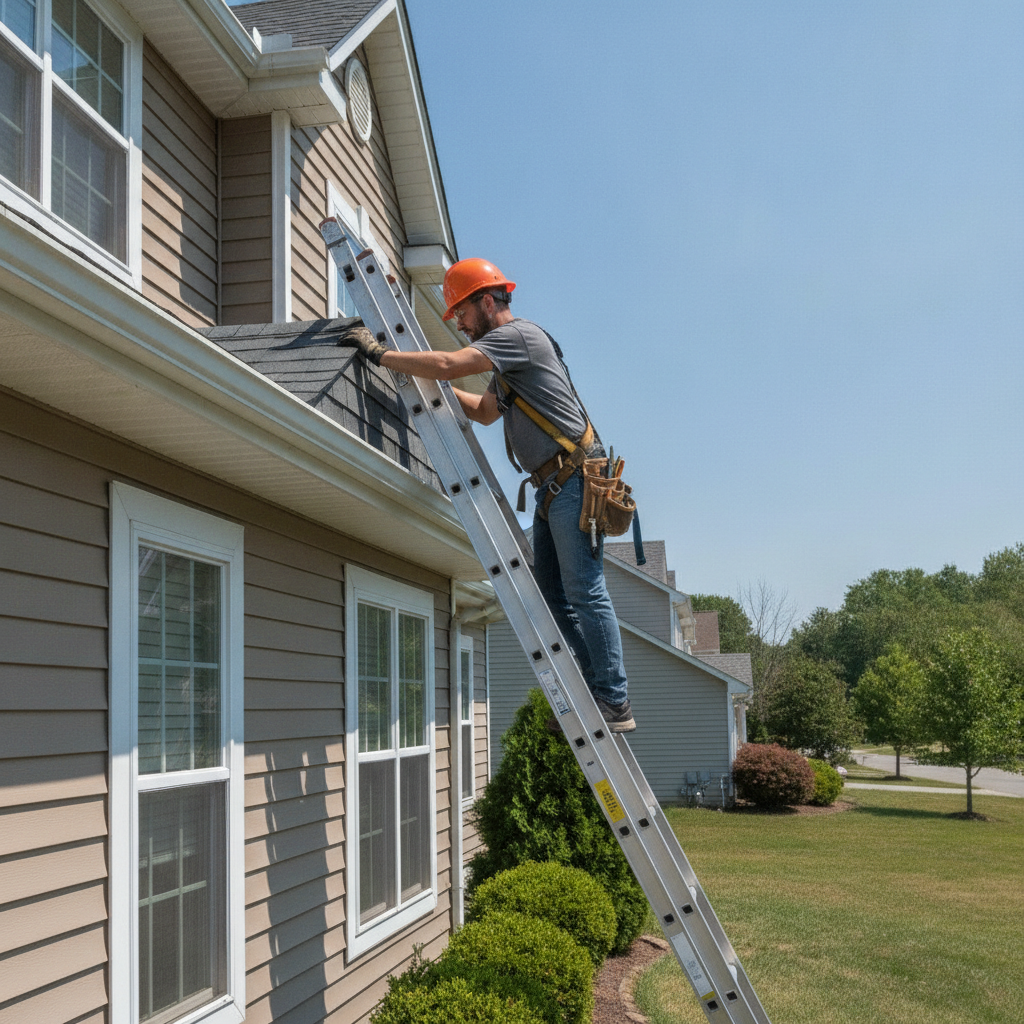
- Roof care: full inspection every 12–24 months; clear gutters quarterly; replace damaged shingles immediately.
- Plumbing and electrical: replace aging supply lines and address known risk materials; document upgrades with dates and contractors.
- Security: monitored intrusion and smoke alarms, smart leak sensors near water heaters and under sinks; keep proof of monitoring.
Smart policy moves
- Right-size endorsements: base sewer backup and overland water limits on your basement finish level and valuables stored below grade.
- Bundle when it helps: home + auto with the same carrier can stack credits; compare both single and bundled outcomes.
- Choose a deductible you’ll actually fund: pick an amount you can access within 1–2 days without loans.
- Review annually: set a 12‑month reminder to recheck limits, inventory, and any renovations that changed replacement cost.
Need a step‑by‑step? Use our Ontario home insurance checklist to capture details underwriters care about and to plan upgrades over the next 6–12 months.
Talk to a licensed Ontario broker. We’ll compare multiple carriers, fine‑tune your endorsements, and show you where risk improvements unlock better outcomes—without guesswork.
Prefer quick options? Request a comparison, call, or schedule a meeting on our site.
How to Compare Quotes the Right Way (Apples to Apples)
When comparing quotes, keep structure and limits identical across carriers. Match dwelling value, personal property limits, liability, endorsements, and deductibles. Then evaluate differences in water coverage definitions, sublimits, and claim support—these details matter more than a headline number.
Comparison checklist
- Match limits and deductibles: dwelling value, personal property percent, liability, water endorsements, and all deductibles.
- Note definitions: compare what “overland water” and “sewer backup” cover—wording varies by market.
- Ask about sublimits and waiting periods: e.g., coverage triggers, pump failure language, time‑bound caps on additional living expense.
- Claims support: find out response times and temporary housing pathways; ask for examples from recent Ontario storms.
Simple process you can follow
- Document your home updates from the last 24 months (roof, plumbing, electrical, sump pump/backwater valve).
- Inventory valuables and note any item you might schedule individually.
- Decide on a deductible you can cover from savings within 48 hours.
- Ask your broker to run side‑by‑side comparisons across two to four carriers with identical limits and endorsements.
- Choose the option that best balances protection scope, claims service, and long‑term stability.
Renter or landlord? Our Tenant Insurance Ontario guide explains how contents and liability work for apartments and condos—useful if you’re between purchases or own rental property.
Tools and Resources for Smarter Decisions
Pair home maintenance tools with clear insurance documents for better outcomes. Use checklists, home inventory apps, and flood mapping resources, then translate those findings into limits, deductibles, and endorsements with your broker.
- Home inventory app: capture serial numbers and photos room by room; back up to cloud storage monthly.
- Annual policy review: set a calendar event 30 days before renewal to confirm limits, endorsements, and any renovations.
- Basement water defense: test your sump pump twice yearly; keep a spare pump and battery backup on hand.
- Local water guidance: Practical prevention steps for nearby homes are outlined in this Oshawa resource on basement flooding; see how to prevent basement flooding for actionable maintenance ideas.
- Budget planning: New homeowners often face upfront housing costs beyond insurance; for legal fee and disbursement examples, review this Ontario overview of mortgage closing costs.
Case Studies: Ontario Homes That Optimized Protection
Real Ontario homeowners reduce long‑term premiums and improve claims outcomes by pairing risk fixes with smart policy design. These snapshots show how bundling, water defense, roof maintenance, and right‑sized endorsements stabilized renewals while strengthening protection.
Whitby two‑story near a creek
- Profile: two‑story detached, finished basement, 2,000 sq. ft., 15‑year asphalt roof, sump pump added.
- Moves: installed backwater valve; added overland water with sensible sublimits; tuned gutters quarterly; matched dwelling to updated replacement estimate.
- Outcome: fewer water‑related concerns and a better carrier match for local exposure, supporting renewal stability over 12 months.
Durham bungalow with dated plumbing
- Profile: 1,300 sq. ft. bungalow, older supply lines, no alarm monitoring.
- Moves: replaced suspect lines; added monitored smoke/intrusion alarms; scheduled family jewelry to proper values.
- Outcome: improved eligibility and a cleaner risk profile, with endorsements now mapped to actual exposures.
Landlord in the GTA with a basement apartment
- Profile: rental suite below grade; periodic tenant turnover; nearby mature trees.
- Moves: service line endorsement; annual root inspection; sewer backup with a higher sublimit; written tenant water‑use rules.
- Outcome: clearer responsibilities and better defense against common losses, supporting steadier renewals across 24 months.
How “Average Cost” Fits into Your Bigger Household Budget
Treat average cost as one input in a broader home budget that includes maintenance, utilities, and emergency reserves. Align your deductible with liquid savings, and schedule annual policy reviews 30 days before renewal so coverage and cash planning stay in sync.
Beyond insurance, homeowners juggle utilities, upkeep, and legal obligations. A practical example many overlook: closing costs in Ontario. For a sense of the line items new buyers face, see this Ontario explainer on what you’ll pay upfront—useful for setting aside funds separate from your insurance deductible.
Where Home Insurance Meets Life Insurance Planning
Property coverage protects your home and liability, while life insurance supports loved ones and mortgage obligations. Coordinating both ensures the house stays protected if income changes due to death, disability, or critical illness, keeping your long‑term plan intact.
- Mortgage continuity: life insurance can help ensure mortgage payments continue if a breadwinner dies.
- Liability + legacy: home liability addresses accidents; life insurance funds future goals and final expenses.
- Annual review: review both policies together every 12 months so limits and beneficiaries reflect your current reality.
Frequently Asked Questions
These short answers address how Ontario homeowners can compare policies, manage water risk, and prepare for renewals. For personal guidance, speak with a licensed broker who can align coverage to your home’s exact profile.
What factors influence my home insurance premium the most?
Replacement cost accuracy, roof and plumbing age, water exposure, claims history, endorsements like sewer backup or overland water, protective devices, and chosen deductibles carry the most weight. Keep home updates documented and review limits at least 30 days before renewal.
How can I lower my premium without losing important coverage?
Improve risk—maintain the roof, install a sump pump with backup, add a backwater valve, and use monitored alarms. Then compare carriers with identical limits and endorsements, and choose a deductible you can fund from savings within 24–48 hours.
Should I bundle home and auto insurance?
Often yes. Bundling can unlock multi‑policy credits and simplify service. Ask your broker to show both bundled and unbundled scenarios, holding coverages constant, so you compare protection and total value—then decide what fits your situation.
How often should I review my policy?
Annually at minimum, plus after any renovation, roof work, major purchase, or change in household composition. Set a calendar reminder 30 days before renewal to confirm limits, endorsements, and deductibles reflect your current home and budget.
Conclusion and Next Steps
Forget chasing a single “average home insurance cost.” Protect your home by aligning coverage to your true risks, improving water and roof resilience, and comparing carriers that favor your profile. A licensed Ontario broker can map these steps and keep renewals steady year after year.
- Key steps: verify replacement cost annually, maintain water defenses, and tune roof and gutters seasonally.
- Compare smart: hold limits, deductibles, and endorsements constant across quotes.
- Plan ahead: set a 30‑day pre‑renewal review and keep a funded deductible.
Key Takeaways
- Average cost is a benchmark—not your target. Your risks and coverages define value.
- Water and roof risk drive many Ontario claims; fix these for steadier renewals.
- Match quotes apples to apples and choose carriers aligned to your home’s profile.
- Review policies every 12 months and after major home changes.
Ready to dial in your protection? Our local team in Whitby will compare markets and tailor endorsements. We’re a quick request away.


1 Comment
[…] our home coverage explainer and quote literacy guide to read proposals […]