

Cheap Auto Insurance Quote Ontario: Compare Rates and Keep 1
Last updated: October 2026
By Chase Insurance Brokers Ltd. – serving drivers across Ontario from Whitby. Last updated: 2026-06-13.
How to find a cheap auto insurance quote in Ontario
Start by gathering your licence details, vehicle identification number, driving history, annual mileage, parking address, current policy and household driver information. Request quotes from more than one insurer, either directly or through a licensed broker, and keep the liability limits, deductibles and optional coverages consistent so the prices are genuinely comparable.
Ontario’s regulator, the Financial Services Regulatory Authority of Ontario (FSRA), explains that rates can vary between insurers even when the requested benefits are similar. Its consumer guidance recommends preparing for an Ontario auto insurance quote and comparing the available choices rather than assuming one company will offer the best price.
What “cheap” should mean for Ontario auto insurance
A cheap quote is a competitively priced estimate for the policy you actually need. It is not automatically the quote with the fewest coverages or the lowest monthly payment. Removing protection can create a much larger financial problem after a collision, theft, injury or claim involving another person.
Every Ontario automobile policy includes mandatory protection. The main parts are Third-Party Liability, Accident Benefits, Direct Compensation–Property Damage (DCPD), and Uninsured Automobile coverage. Your quote may also include optional Collision, Comprehensive and other endorsements that protect the vehicle or support your daily transportation needs.
- Third-Party Liability: responds when you are legally responsible for injury, death or property damage suffered by someone else.
- Accident Benefits: can provide benefits after an accident, including medical, rehabilitation and income-replacement support subject to the policy terms.
- DCPD: may cover damage to your vehicle when another insured driver is at fault and the applicable Ontario conditions are met.
- Uninsured Automobile: provides protection in situations involving an uninsured or unidentified driver, subject to the policy and law.
When reviewing a quote, ask what is mandatory, what is optional, what each limit means and what you would pay before the insurer contributes to a covered loss. A lower premium can be sensible when it comes from an appropriate deductible or an unused endorsement – not when it leaves a household unable to manage a serious claim.
What affects an Ontario auto insurance rate?
Insurers assess approved rating factors connected with the driver, vehicle, location, use and selected coverage. FSRA identifies factors such as driving record, years licensed, vehicle type, how much you drive, where you live, coverage and deductibles as influences on price. The regulator also notes that urban areas can have higher rates where collisions or vehicle theft are more frequent.
That means two Ontario drivers can receive different prices for the same model of car. A Whitby driver’s quote may differ from a driver elsewhere in Durham Region or the Greater Toronto Area because the insurer is assessing the complete risk profile, not just the vehicle.
Driver and household details
The insurer will normally need information about the principal driver, occasional drivers, licence history, convictions, collisions and claims. Household members who regularly drive the vehicle should be disclosed accurately. Leaving out a regular driver or describing a commute as pleasure use can create rating and claim problems later.
Vehicle, use and location
Vehicle value, repair costs, theft experience, safety equipment and the way the car is used can affect the premium. Annual kilometres, commuting distance, business use, parking location and whether the vehicle is financed or leased can also matter. Give the insurer accurate information rather than estimating a number designed only to produce a cheaper quote.
Coverage and deductible choices
Higher deductibles often reduce the premium, but they increase the amount you must pay after a covered loss. Collision and Comprehensive may be worth reviewing as a vehicle ages, while newer financed or leased vehicles may require specific protection. Compare the total price and the out-of-pocket exposure together.
How to compare a cheap auto insurance quote step by step
The most reliable comparison is not necessarily the fastest single online estimate. It is a repeatable process that gives each insurer the same accurate information and lets you see whether a saving comes from a real discount, a different deductible or thinner protection.
- Collect your records. Have licences, licence dates, vehicle identification numbers, current declarations, claims and conviction information available for every driver.
- Describe vehicle use honestly. Record annual mileage, commute distance, parking location and whether the vehicle is used for work, school, errands or occasional driving.
- Set a coverage baseline. Decide which liability limit, Accident Benefits choices, Collision, Comprehensive, rental coverage and roadside assistance you want to compare.
- Request several quotes. You can contact insurers directly, use an online process or ask a licensed broker to approach multiple carriers.
- Keep the quotes aligned. Compare matching limits, deductibles, drivers, usage and endorsements. Otherwise, a cheaper figure may simply represent less coverage.
- Check discounts. Ask about home–auto bundling, multi-vehicle savings, winter tires, anti-theft equipment, safe-driver programs and usage-based insurance where available.
- Review the final documents. Confirm names, addresses, vehicle details, principal driver, payment schedule, effective date and cancellation terms before the policy is bound.
FSRA’s consumer information confirms that quotes can vary widely and encourages shoppers to cast a wide net. Its shop-around guidance for purchasing or renewing auto insurance also explains that consumers can seek quotes online, by telephone, from insurers or through a licensed agent or broker.
Discounts and choices that may lower your premium
Discount eligibility depends on the insurer and your circumstances, so it should be verified rather than assumed. The best approach is to ask each quoting source to review the same list of potential savings.
Bundle household policies
Combining home and auto insurance with one insurer can produce a multi-policy discount and simplify renewal administration. It is still worth checking the combined price and the coverage quality for both policies; a bundle is useful only when the overall arrangement suits your household.
Review multi-vehicle and occasional-driver arrangements
Families with more than one vehicle may qualify for a multi-vehicle discount. A student who is genuinely an occasional driver may be rated differently from someone who uses a vehicle every day, but the description must reflect actual use.
Ask about winter tires and vehicle security
Some insurers offer a discount when qualifying winter tires or approved anti-theft equipment are documented. Keep invoices, installation details or other requested proof, and ask whether the vehicle and insurer meet the program’s requirements.
Choose deductibles deliberately
A deductible should be affordable if a claim occurs. Raising it can reduce the premium, but the saving may not justify the risk for a household that would struggle to pay the higher amount after an incident.
FSRA’s consumer guide to saving on auto insurance recommends shopping around and asking about discounts because companies do not necessarily charge the same price for the same benefits.
Can telematics help you get a cheaper quote?
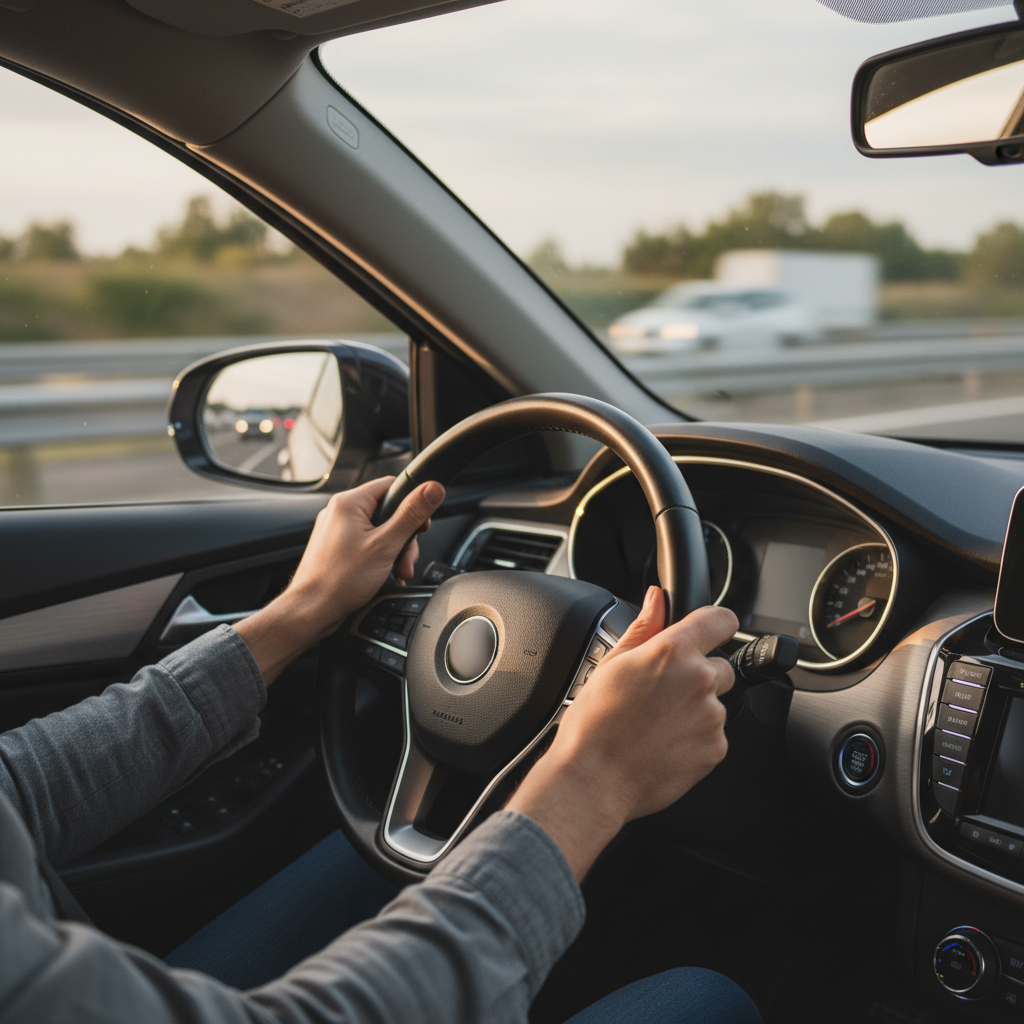
Telematics, also called usage-based insurance, uses an approved app or device to assess driving behaviour and sometimes mileage. Depending on the program, the insurer may consider patterns such as braking, acceleration, trip timing or how much the vehicle is driven. The exact rules, privacy information and effect on the premium vary by program.
Telematics can suit a driver who is comfortable sharing the required data and regularly drives smoothly and predictably. It may be less attractive if the household has irregular hours, high mileage or concerns about the program’s terms. Ask how enrolment works, what is measured, whether participation is optional and how the result affects renewal pricing before agreeing.
It is not a substitute for accurate underwriting. A telematics program cannot correct an undisclosed driver, incorrect mileage or incomplete claims history. Treat it as one possible discount route, not a guarantee of a lower premium.
Broker, direct insurer or comparison website?
The right quoting route depends on how much guidance you need and how complicated your circumstances are. No source automatically compares every insurer in Ontario, so ask what market access the quoting service actually has.
| Quoting route | What it does | Useful when | What to verify |
|---|---|---|---|
| Licensed broker | Collects your information, approaches participating insurers and explains coverage options. | You want help comparing carriers, have multiple drivers, or need advice about bundles and endorsements. | Which insurers the brokerage represents and what service is included after purchase. |
| Direct insurer | Provides a quote and policy from one insurance company. | Your situation is straightforward and you prefer managing the policy directly. | Whether another insurer could offer a better price for equivalent coverage. |
| Comparison or aggregator site | Collects information and may show estimates or connect you with providers. | You want an initial market indication. | Whether the result is a final quote, which insurers participate and whether the coverage matches. |
Chase Insurance Brokers is based at 400 Dundas St E in Whitby and serves clients across Ontario. The brokerage works with carriers including Aviva, Intact, Economical, Echelon, Jevco and Premier. A structured Ontario auto quote comparison can help you keep limits and deductibles consistent while reviewing those options.
What Ontario consumers should know about quoting
Ontario insurers operate in a regulated market. FSRA states that insurers must offer the lowest rate available for a consumer’s circumstances under their approved rules and must accept eligible auto insurance business. That does not mean every insurer will offer the same price or accept every risk under identical terms; it means the quote should be based on approved criteria and the insurer’s applicable rules.
Credit scores are not permitted in the rating or underwriting of auto insurance policies in Ontario. FSRA’s consumer and industry Q&A also cautions that aggregator and broker websites do not provide comparisons from every insurance company.
If you believe a quote process is being delayed or handled unfairly, ask the insurer or broker for an explanation and keep records of your communications. FSRA’s Take-All-Comers guidance describes restrictions on hindering or delaying a consumer’s effort to obtain an auto insurance quote when the consumer meets the insurer’s approved rules.
Practical considerations for Whitby drivers
For a Whitby household, the quote should reflect the actual parking address, commute, vehicle use and driver list. Do not select a nearby address merely because it appears cheaper. Location is part of rating, and inaccurate information can undermine the policy.
Seasonal weather also makes preparation worthwhile. Install qualifying winter tires before winter conditions arrive, keep the vehicle maintained and ask whether documentation is needed for a discount. If you commute along busy regional routes, report the true use and mileage rather than relying on a rough estimate.
A Whitby insurance broker can be especially useful when a household has a new driver, multiple vehicles, a financed vehicle, a newcomer driver history or a home policy to bundle. For broader decision support, see this guide to choosing auto insurance in Ontario.
Cheap quote checklist
Use this checklist before requesting or accepting a quote:
- Driver names, licence classes and licence dates are correct.
- All regular household drivers are listed accurately.
- Vehicle year, make, model, VIN and ownership or financing status are correct.
- Annual kilometres, commute distance, business use and parking location reflect reality.
- Claims, convictions and accidents have been reported as requested.
- Every quote uses the same liability limits, deductibles and optional coverages.
- Home–auto, multi-vehicle, winter tire, anti-theft and telematics discounts have been reviewed.
- The payment schedule, effective date and cancellation conditions are understood.
Keep your declarations page and quote documents together. Organized records make renewal reviews easier and help you spot a change in drivers, mileage, vehicle use or coverage before it becomes a problem.
When should you adjust Collision, Comprehensive or endorsements?
Coverage decisions should follow the vehicle’s value, financing requirements, how much you rely on it and the losses you could afford to absorb. Collision generally addresses damage caused by a collision, while Comprehensive addresses specified non-collision risks such as theft, vandalism or certain weather-related losses, subject to the policy wording and deductible.
Rental vehicle coverage can matter if missing a car would disrupt work, school or caregiving. Roadside assistance may be valuable for frequent highway or winter travel. A depreciation waiver may be relevant for an eligible newer vehicle, but its conditions and time period should be confirmed before purchase.
For a focused explanation of one common decision, review this Ontario Comprehensive coverage guide. If the main question is the deductible, the Ontario deductible guide explains how the choice affects both premium and claim cost.
When should you request another quote?
Review your policy 30 to 45 days before renewal when possible. Also request a review after moving, buying or selling a vehicle, adding or removing a driver, changing your commute, completing a licence milestone or changing how the car is used.
Do not cancel an existing policy until replacement coverage is confirmed with the correct effective date. A broker can help coordinate the transition and check whether your new quote is genuinely equivalent to the policy it replaces. Drivers comparing prices can also consult this explanation of why Ontario auto insurance rates vary.
New drivers, newcomers and changing vehicles
New Ontario drivers should provide their licence class and dates, previous insurance history where available, and any recognized driving experience. New Canadians may have international driving records that some insurers will consider, although acceptance and documentation requirements differ. Ask what records are needed instead of assuming that a lack of Ontario history means every carrier will price the risk the same way.
When buying a vehicle, confirm the quote before taking possession if possible. Tell the insurer whether the car is financed or leased, identify its security features and ask about replacement-cost or depreciation-waiver options. When selling or retiring a vehicle, coordinate the ownership and insurance changes so there is no accidental gap or continued coverage on a car you no longer operate.
Common mistakes that make a quote unreliable
- Comparing different coverage: A quote with a higher deductible or missing endorsement is not a like-for-like saving.
- Using inaccurate mileage: Understating kilometres or commute use can create a rating discrepancy.
- Omitting a regular driver: Every household driver who uses the vehicle should be discussed with the insurer.
- Choosing solely on the monthly payment: Check the annual cost, deductible and coverage before deciding.
- Assuming one website sees the whole market: Ask how many insurers are actually represented.
- Waiting until the renewal date: Last-minute shopping leaves less time to verify documents and coordinate a switch.
Reliable savings come from accurate information and a suitable policy, not from manipulating the answers. If a price looks unusually low, ask what coverage, limit, deductible or assumption explains the difference.
Frequently asked questions
How can I get a cheap auto insurance quote in Ontario quickly?
Gather your licence details, VIN, current policy, mileage, parking information and driver list before requesting quotes. Submit the same limits, deductibles and endorsements to multiple insurers or ask a licensed broker to compare participating carriers. Review the final documents rather than relying only on an online estimate.
Is a broker always cheaper than buying directly?
No route guarantees the lowest price for every driver. A broker may compare several represented insurers and identify discounts or coverage differences, while a direct insurer quotes its own product. Ask what market is being compared and evaluate equivalent coverage before choosing.
Can telematics lower my Ontario auto insurance premium?
It can, depending on the insurer, program rules and driving results. Telematics may assess driving behaviour or mileage and can suit drivers who are comfortable with the data requirements. Ask how the program affects pricing, what it measures and whether participation is optional.
When should I re-quote my auto insurance?
Begin a renewal review about 30 to 45 days before the policy expires. Request another comparison after moving, adding a driver, changing vehicle use, buying a vehicle or experiencing a significant mileage change. Keep continuous coverage in place until the replacement policy is confirmed.
Compare your Ontario options with confidence
A cheap auto insurance quote in Ontario should combine a competitive price with accurate information and protection that fits your household. Compare several insurers, ask about discounts, check the policy line by line and review the decision at renewal. For help comparing available options, speak with an Ontario insurance broker about your drivers, vehicles and coverage priorities.

Related Ontario insurance guidance
For additional context, read the FSRA overview of Ontario auto insurance and consumer choices. It explains why shopping around, asking about discounts and comparing insurers can help you find appropriate coverage at a better price.