


Water Damage in Condo: Know Who Pays in Whitby 2026
Water damage in a condo is any sudden or accidental water event that affects a unit or common elements, triggering specific insurance responsibilities. In Whitby, unit owners typically insure their interiors while the condo corporation insures common property. If you’re unsure who pays, our brokerage helps you decode your declaration and coordinate your claim fast.
By Chase Insurance Brokers Ltd. • Last updated: 2026-05-21
At a Glance
Condo water damage responsibility depends on where the loss started and what’s covered by each policy. Unit owners insure their interiors and belongings, while the condo corporation insures common elements. The right condo insurance fills gaps for betterments, loss assessment, and additional living expenses, helping you resolve repairs and restore normal life faster.
Condo leaks feel complicated because two policies are in play: the condo corporation’s master policy and your personal condo insurance. The fastest path to solutions is understanding where the loss originated, what your condominium documents say, and how your coverage responds. We’ll break it down and guide you step-by-step.
Water damage help for condo owners in Whitby
When water damage hits your condo unit, act quickly: mitigate the leak, document damage, notify your condo corporation, and call your broker. Rapid action protects your claim rights and reduces repairs. Our Whitby-based team coordinates claims, coverage reviews, and next steps with your property manager and insurer.
Here’s the reality for condo owners: water moves fast, and responsibilities do too. You need clear answers, not a maze of phone calls. Our team connects the dots between you, your property manager, and carrier so you can focus on safety and repairs—without second-guessing every clause in your bylaws.
Understanding condo water damage, insurance, and accountability
Condo water damage typically involves two insurance layers: the master policy for common elements and your personal condo policy for unit interiors and contents. Reading the declaration and bylaws is essential. Coverage for betterments, loss assessment, and living expenses often determines who ultimately pays and how quickly you recover.
Condominium ownership blends private spaces with shared property. That’s why a leak from a neighbor’s unit or a failed riser pipe can involve multiple insurers. Your declaration defines what counts as a “common element” versus a “unit.” Your personal condo insurance then fills coverage gaps for improvements, contents, liability, and temporary housing.
In our experience helping Ontario condo owners, the most common friction points are: determining the source, confirming maintenance responsibility, and navigating deductibles. Getting those three right puts you on a straight path to resolution.
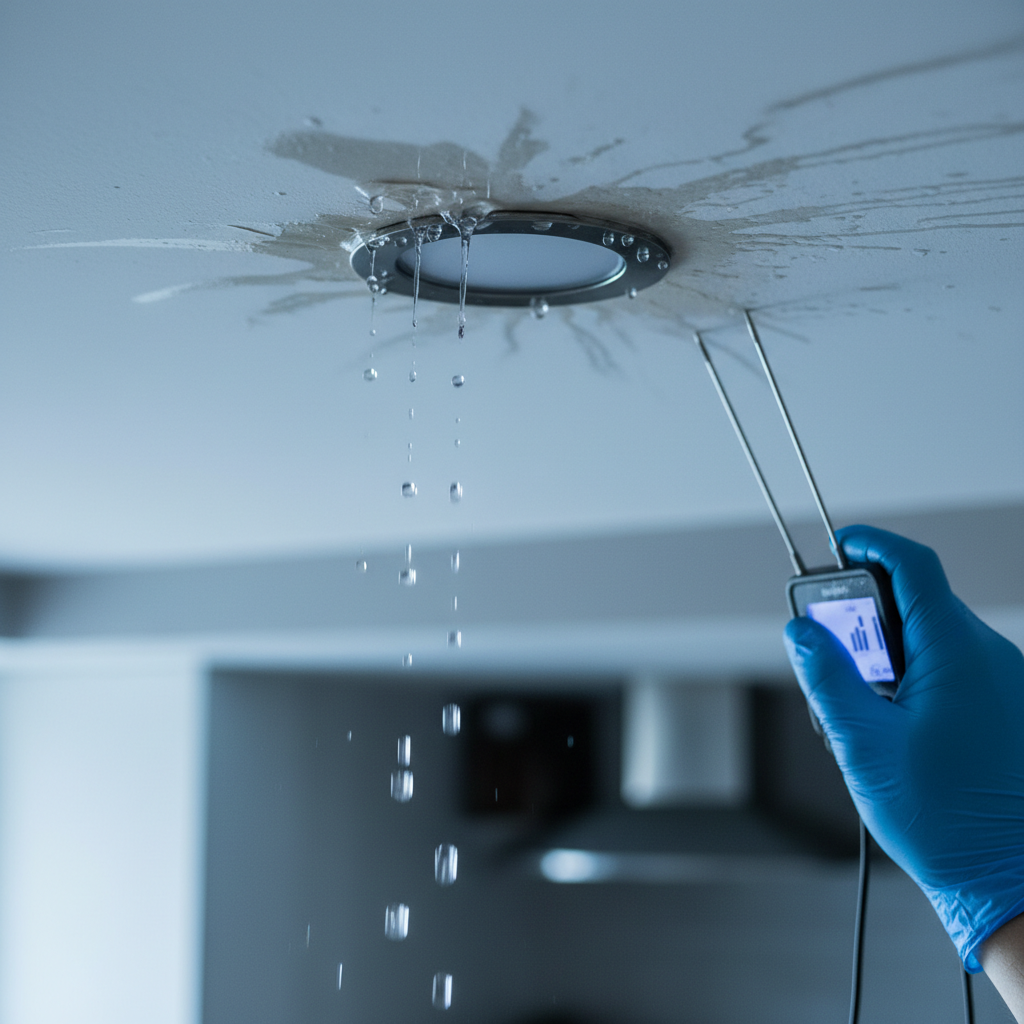
Who pays for water damage in a condo?
Responsibility follows two questions: where did the water originate, and what do your condo documents and policies say? The corporation’s master policy covers common elements; your condo policy covers interiors and contents. Fault, negligence, and specific bylaws can shift who pays deductibles or special assessments.
Sorting out payment starts with identifying the source and mapping it to responsibilities. Use this quick comparison to orient your next step:
| Scenario | Likely Primary Coverage | Owner Exposures | Next Step |
|---|---|---|---|
| Riser pipe or roof leak (common element) | Condo corporation master policy | Possible special assessment; interior betterments not covered by master | Notify property manager; review coverage guide |
| Appliance hose bursts inside your unit | Your personal condo policy (unit/contents) | Your unit improvements and personal property | File claim; confirm deductibles and limits |
| Neighbor’s unit leak damages yours | Your policy first; liability may involve neighbor later | Contents, betterments; time out of unit | Mitigate and document; your broker coordinates claims |
| Sewer backup/overland water | Endorsements on your condo policy, if purchased | Contents; flooring; living expenses | Check endorsements on your condo insurance |
Important: many condo master policies repair building components to a “standard unit” definition. Any upgrades you’ve made—cabinets, flooring, fixtures—are “betterments and improvements” that fall to your personal policy. That’s why unit improvements coverage matters.
If a corporation levies a special assessment after a covered water loss, loss assessment coverage on your policy can respond (subject to terms). If negligence is proven, subrogation between insurers may come into play. We help you navigate these decisions without the jargon.
For background on renovation-related risks—like plumbing changes that can influence leak responsibility—see this practical discussion of condo renovation challenges and coordination with building rules at managing condo renovation challenges. It’s a helpful reminder that any alteration involving water lines should be cleared with your property manager.
Our services for condo water damage and coverage gaps
We align coverage with real condo risks in Ontario: interior rebuilds, betterments, contents, liability, and living expenses. When leaks happen, we coordinate your claim, communicate with your manager, and help reduce out-of-pocket exposures through endorsements and loss assessment protection.
We specialize in condo insurance for Ontario owners and residents, with access to multiple Canadian insurers. That market reach helps match your building’s bylaws with the right policy language—so a leak doesn’t become a loophole.
What we help you protect
- Interior finishes: Flooring, drywall, baseboards, and fixtures built beyond the “standard unit.”
- Betterments & improvements: Upgraded kitchens, bathrooms, and storage systems.
- Personal property: Furniture, clothing, electronics, and valuables (with scheduled options).
- Personal liability: Coverage if a leak from your unit damages others and you’re found responsible.
- Additional living expenses: Temporary housing and related costs if your unit is uninhabitable after a covered loss.
- Loss assessment: Helps with your share of a special assessment after a covered building claim.
- Water endorsements: Sewer backup and overland water where available, based on eligibility.
Ready to shore up gaps? Start with a quick review of your bylaws and our condo insurance coverage guide, then request a tailored condo insurance quote.
Our step-by-step process when a leak strikes
Speed wins claims. We help you stop the source, document loss, notify the right parties, and position your claim for fast approval. Expect clear next steps, insurer coordination, and follow-through until you’re back home with repairs completed and coverage optimized for the future.
- Safety and mitigation: Shut off water, power (if safe), and move valuables. Take date-stamped photos or video.
- Source identification: Determine if the leak stems from a unit fixture or common element; note rooms and timing.
- Notify stakeholders: Contact the property manager and your broker; we’ll advise on emergency remediation.
- Emergency services: Arrange water extraction and drying. For storm-related context in our region, review this overview of recent basement flooding dynamics in the GTA to understand how fast water spreads indoors: storm flooding mechanics.
- Claim setup: We submit details to the insurer(s) and coordinate adjusters, especially when two policies are involved.
- Scope & estimate: Work with contractors and adjusters to verify a correct scope for interiors and betterments.
- Approvals & repairs: Track approvals, materials lead times, and unit access until completion.
- Coverage tune-up: Adjust endorsements and limits so the next water event is less disruptive.
We maintain momentum from day one. When working with condo owners in Whitby, we’ve found a shared message helps: document, notify, and mitigate early. That creates a cleaner fact pattern for adjusters and reduces frustrations with scheduling and access.
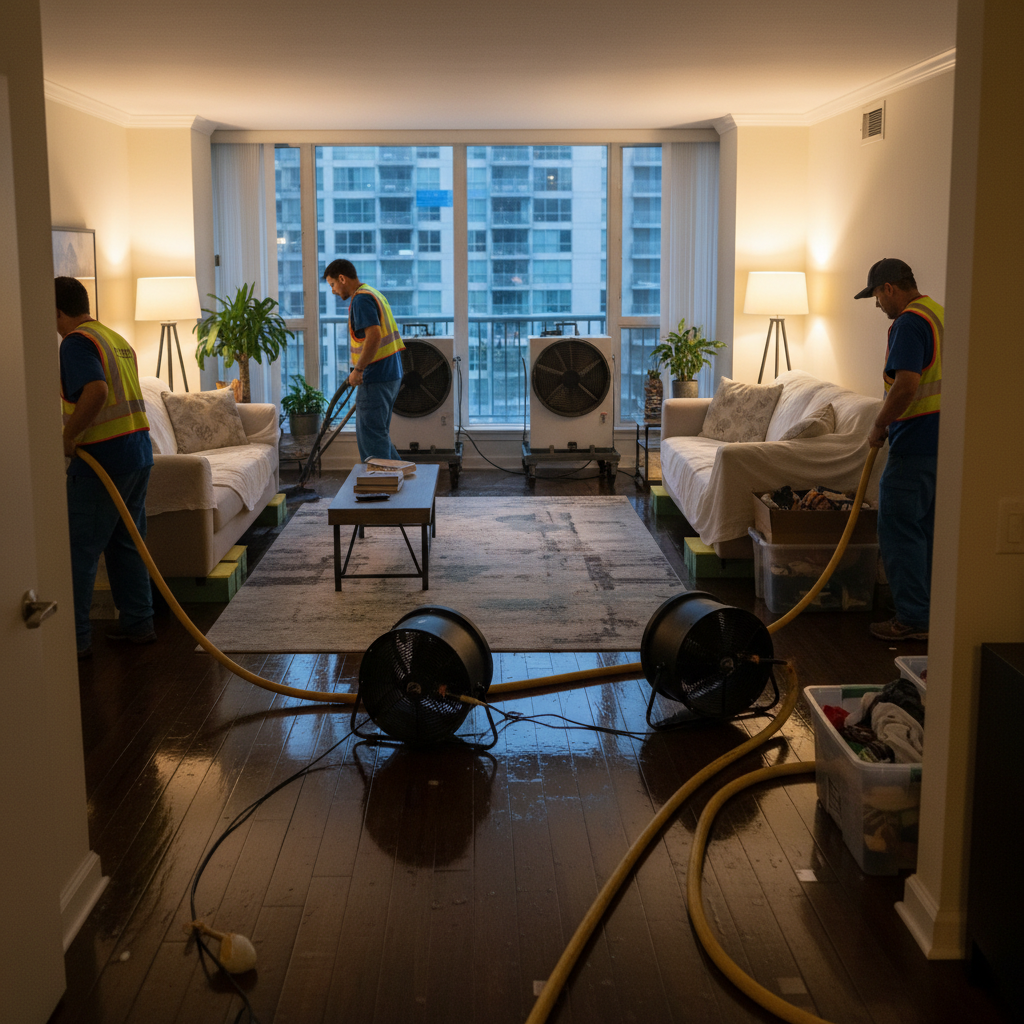
Need help right now? Start a quick coverage review and connect with a broker in minutes. Use our condo insurance quote form or visit our condo insurance service page.
Coverage details that matter after a condo leak
The right condo policy pairs core coverages—unit, contents, liability, and living expenses—with targeted water endorsements and loss assessment. A master policy usually restores to a “standard unit,” so your betterments coverage bridges the gap for upgrades you’ve added over the years.
Core condo coverages
- Unit/Improvements: Repairs your interior finishes and upgrades beyond the standard unit definition.
- Contents: Replaces personal items damaged by a covered water loss.
- Personal Liability: Protects you if your leak damages other units and you’re held liable.
- Additional Living Expenses: Pays for temporary housing and essential living costs when your unit is uninhabitable after a covered event.
Water-specific add-ons and limits
- Sewer Backup: Responds to backing up drains or sump overflows, subject to eligibility and limits.
- Overland Water: Addresses above-ground water entering from heavy rains and snowmelt, where available.
- Loss Assessment: Can help with your share of a building-level deductible or special assessment after a covered loss.
- Deductible Buy-down: In some markets, options exist to reduce your out-of-pocket deductible exposure.
Renovation can change your risk profile—think dishwashers, in-suite laundry, or relocated plumbing. Planning a remodel? This guide to condo renovation planning highlights coordination with condo rules and timelines: planning condo renovations. Always notify your property manager and review insurance requirements before work begins.
What influences condo insurance premiums (not prices)
Condo premiums reflect risk, not arbitrary numbers. Your building’s plumbing systems, past claims, coverage selections, deductibles, location, and unit upgrades all influence rating. We compare options across multiple insurers to help you find strong protection with smart, value-focused choices.
- Building profile: Age of plumbing, type of piping, water shut-off valves, and flood resilience.
- Claims history: Prior water losses in the building or your unit influence eligibility and terms.
- Coverage and deductibles: Endorsements you add and deductibles you accept affect premiums.
- Location factors: Proximity to water, storm exposure, and municipal drainage context.
- Unit characteristics: High-end finishes and betterments require higher limits.
Want an apples-to-apples look at coverage? See how condo and home policies differ in our explainer on condo insurance vs. home insurance. Then request a tailored condo insurance quote to compare carriers.
Why choose Chase Insurance Brokers for condo coverage
We help Ontario condo owners align bylaws with real coverage, access multiple top insurers, and save time during stressful leak events. Expect fast responses, clear explanations, and support from quote to claim. Our Whitby team blends local context with province-wide market access.
- Multi-insurer access: Competitive choices through leading Canadian insurers.
- Bylaw-aware advice: We translate your declaration and standard unit definition into coverage decisions.
- Fast claim coordination: Direct support with adjusters, property managers, and restoration vendors.
- Education-first approach: Clear coverage breakdowns and practical next steps.
- Ontario-wide reach: Local Whitby insight with GTA and province-wide experience.
Looking for a quick orientation to carriers and features? Explore our overview of Ontario condo insurance companies to see how we think about matching buildings to policies.
Service area and local considerations
We support condo owners across Whitby, the GTA, and Ontario. Local weather swings—from freeze-thaw to summer storms—raise water risks. We tailor endorsements and limits to your building profile and regional realities so your policy keeps pace with on-the-ground conditions.
We routinely help owners in Whitby and across the GTA understand water risks tied to storm intensity and building age. For a nearby perspective on prevention steps in Durham Region, see this plain-language guide to storm-readiness and basement water defenses: regional water prevention basics.
Local considerations for Whitby
- Review your building’s seasonal plan for heavy rain and freeze-thaw periods; ensure unit-level shut-off valves are accessible.
- Schedule annual inspections of appliance hoses and under-sink shut-offs before peak storm seasons.
- If renovating kitchens or bathrooms, coordinate permits and insurance requirements with your manager in advance.
New to the area or comparing protections nearby? Our property insurance guide offers a broader look at perils and prevention, with a focus on avoiding big claims.
What Whitby condo owners say
Clients emphasize fast responses, clear explanations, and seamless claim coordination. When a leak happens, they want a calm plan, not chaos. Our team delivers practical guidance and proactive follow-up from first notice to final repair.
- “Clear, patient walkthrough of what my policy covers and what the building covers. Huge relief during a stressful week.”
- “Coordinated with our property manager and restoration crew so I didn’t have to chase updates.”
- “Helped adjust my limits after repairs so the next time won’t catch me off guard.”
Every building has its quirks. We tailor advice to your declaration, your upgrades, and your insurer’s wording. That’s how you avoid surprises.
Frequently Asked Questions
Most condo water damage questions boil down to source, responsibility, and coverage wording. These quick answers clarify common scenarios so you can take the right next step without guessing. When in doubt, loop in your broker early.
Does condo insurance cover water damage to my upgraded finishes?
Upgrades are usually considered betterments and improvements. A master policy often restores to the standard unit. Your condo policy’s unit/improvements coverage is what protects upgraded flooring, cabinetry, and fixtures—subject to limits and deductibles.
If my neighbor’s leak damages my unit, whose insurance pays?
Typically your own condo policy responds first for your unit and contents, then insurers may sort out responsibility based on negligence. Document the damage, mitigate further loss, notify your property manager, and contact your broker promptly.
What is loss assessment coverage and why do I need it?
Loss assessment can help cover your share of a special assessment after a covered building claim—for example, if the corporation’s deductible applies. It’s a key safeguard when leaks affect common elements or multiple units.
Do I need sewer backup or overland water coverage in a condo?
If available, these endorsements offer added protection for water entering through drains or from heavy rain and snowmelt. Eligibility varies by building profile and insurer. Ask your broker to review options for your address and risk factors.
Key takeaways
Condo water damage recovery is faster when you know who insures what, document early, and call your broker. The right policy closes gaps for upgrades, assessments, and living costs—keeping repairs on track and finances steady.
- Two policy layers matter: your condo policy and the master policy.
- Standard unit definitions mean upgrades need your own coverage.
- Loss assessment protection is crucial for building deductibles.
- Endorsements (backup, overland) can address specific water perils.
- Quick mitigation and documentation support smoother claims.
Get help now: condo water damage and coverage review
Need clarity on who pays—or help with an active leak claim? Connect with our Whitby-based team for fast guidance, coverage tuning, and coordinated claims support. We streamline the process so you can get back to normal sooner.
Start with our condo insurance quote or visit the condo insurance service page. Prefer a learning path first? Explore our coverage guide and condo vs. home insurance differences—then we’ll tailor a plan to your building and goals.


1 Comment
[…] water scenarios in particular, our Whitby-focused explainer on who pays for condo water damage outlines typical responsibility pathways and how to prepare in […]