

Complete Home Insurance Checklist Ontario: 2026 Guide
Complete home insurance checklist Ontario refers to a step-by-step list homeowners in Ontario can use to document their property, select the right coverages, and prepare proof for underwriting. It covers policy type, endorsements, liability, rebuild values, and maintenance so you’re properly protected and claims-ready with a broker’s help.
Quick Answer
Use this complete home insurance checklist Ontario to pick coverages, document updates, and verify limits before renewal or purchase. If you live near Whitby, stop by Chase Insurance Brokers at 400 Dundas St E G-T4A or request a quote online. Our brokerage compares top insurers across Ontario and helps you finalize documents fast.
At a Glance
The Ontario home insurance checklist focuses on getting the policy type right, adding water and service-line endorsements, confirming rebuild value, setting proper deductibles, and documenting updates. Use our step-by-step list to gather proofs, record valuables, and align coverage with your home’s age, location, and any rental or renovation plans.
- Who this is for: Ontario homeowners, condo owners, and landlords, especially around Whitby and the GTA.
- What you’ll do: Choose policy form, add key endorsements, set limits, organize documents, and prep for renewals/claims.
- Why it matters: Proper setup reduces claim denials, coverage gaps, and delays with lenders or closings.
- Broker advantage: Chase Insurance Brokers compares options from Aviva, Intact, Economical, Echelon, Jevco, and Premier to tailor your protection.
What You’ll Learn (Table of Contents)
This guide is organized into clear sections: what home insurance is in Ontario, why it matters, how it works, types of policies, best practices, a full buying guide, tools and resources, real examples, FAQs, and next steps. Skim the bullets or follow step-by-step to finish in under an hour.
- What Is Home Insurance in Ontario?
- Why This Checklist Matters Now
- How Home Insurance Works (Ontario Basics)
- Policy Types and Key Endorsements
- Complete Home Insurance Checklist Ontario: The Essentials
- Ontario Home Insurance Buying Guide (Step-by-Step)
- Policy Comparison Table (Quick Reference)
- Best Practices to Stay Fully Protected
- Tools, Templates, and Resources
- Ontario Scenarios and Mini Case Examples
- Frequently Asked Questions
- Wrap-Up, Key Takeaways, and Next Steps
- Related Guides to Explore
What Is Home Insurance in Ontario?
Home insurance in Ontario protects your dwelling, belongings, and liability against covered losses like fire, theft, and certain water incidents. Policies include core coverages with optional endorsements, and lenders typically require proof of insurance at closing. A licensed broker tailors limits and deductibles to your property’s rebuild value and risk.
- Core purpose: Safeguard your house, detached structures, personal property, and personal liability.
- Standard components:
- Dwelling (Coverage A): Rebuild or repair your home after a covered loss.
- Other Structures (B): Garages, sheds, fences.
- Personal Property (C): Furniture, clothing, electronics.
- Additional Living Expenses (D): Temporary housing during repairs.
- Personal Liability: Injuries or property damage you’re legally responsible for.
- Endorsements fill gaps: Overland water, sewer backup, ground water, service lines, equipment breakdown, scheduled valuables.
- Lender requirement: Most mortgages require valid, continuous insurance with the lender named as loss payee.
- Broker advantage: Market access to multiple insurers increases eligibility and coverage flexibility.
In our experience serving Whitby and the GTA, the homes that avoid major headaches pair the right policy form with targeted water protection and up-to-date rebuild valuations. That trio prevents most claim disputes and delays.
Why This Checklist Matters Now
Using a structured Ontario checklist prevents coverage gaps, missed documents, and outdated rebuild values. It reduces lender delays at closing, shortens claim timelines, and ensures your water and service-line exposures are addressed before seasonal storms or freezes arrive.
- Severe weather variability: Ontario homeowners face spring thaws, summer downpours, and winter freeze-thaw cycles.
- Water is the top driver: Across Canada, water-related losses consistently lead home claims by frequency.
- Underground exposures: Aging or shallow service lines and clogged sewer mains can trigger expensive repairs and backups.
- Renovation surge: Finished basements, rental suites, and backyard structures introduce new coverage considerations.
- Lender timelines: Clear proofs (updates, alarm certificates) reduce back-and-forth so closings stay on track.
Here’s the thing: most issues we see aren’t about the policy you bought—they’re about the coverages you forgot to add or the documents you never sent. A checklist fixes that.
How Home Insurance Works (Ontario Basics)
Ontario home insurance combines a base policy with optional endorsements. You pay a premium and a deductible when claiming. The insurer repairs or replaces covered property up to your limits. Brokers compare markets, align deductibles with risk tolerance, and update valuations as materials and labor change.
- Policy form sets the foundation: Comprehensive (all risk), Broad (all risk on dwelling, named perils on contents), or Basic (named perils only).
- Valuation method matters:
- Replacement Cost: Rebuild with similar materials without depreciation, subject to conditions.
- Actual Cash Value (ACV): Replacement cost minus depreciation.
- Deductibles shape claims behavior: Higher deductibles reduce premiums but increase your out-of-pocket at claim time.
- Underwriting proofs: Electrical, plumbing, roof, heating ages; photos; alarm certificates; occupancy details; renovations.
- Renewal hygiene: Annual review of rebuild value, endorsements, and any changes to use (e.g., rental suite added).
According to common industry guidelines, insurers expect annual valuation checks and prompt notice of material changes. We keep clients organized so adjustments happen before—not after—a loss.
Policy Types and Key Endorsements
Choose the best-fit policy form (Comprehensive, Broad, or Basic) and then layer endorsements for Ontario risks: sewer backup, overland water, ground water, service lines, and equipment breakdown. Add scheduled coverage for jewelry or collections and confirm liability limits meet your lifestyle exposures.
Policy Forms (High-Level)
- Comprehensive (All Risk): Broadest protection; exclusions apply. Often preferred for detached homes.
- Broad Form: All risk on dwelling; named perils on contents. A middle-ground option.
- Basic/Named Perils: Budget-friendly but narrow; coverage only for listed perils.
Ontario-Driven Endorsements
- Sewer Backup: Protects when municipal or private systems back up into your home.
- Overland Water: Addresses surface water entering from heavy rain or overflow.
- Ground Water: Covers water that seeps in through soil or foundation (varies by insurer).
- Service Line: Repairs or replaces underground utility lines you own (water, power, data) from the street to your home.
- Equipment Breakdown: Sudden mechanical or electrical failure of systems like HVAC or appliances.
- Scheduled Property: High-value jewelry, bikes, art, or collections listed with separate limits/conditions.
- Home-Based Business Add-ons: Extends property and liability for small, in-home operations.
Need a refresher on how home and condo policies differ? See our quick explainer in condo vs. home insurance differences to avoid gaps if you’re moving between property types.
Complete Home Insurance Checklist Ontario: The Essentials
Work through these steps to finalize your Ontario home coverage: pick policy form, add water and service-line endorsements, set rebuild and contents limits, choose deductibles, update liability, document home updates, inventory valuables, and share proofs with your broker. Finish with an annual review cadence.
1) Property & People Snapshot
- Address & legal names: Match your policy, mortgage, and title documents.
- Occupancy: Owner-occupied, seasonal, or rented (including basement suites).
- Household profile: Children, pets, frequent guests, caretakers.
- Alarms and monitoring: Monitored burglar/fire, water sensors, smart shutoffs.
2) Structure & Systems Details
- Year built and material: Brick, frame, or mixed construction.
- Major updates (with years): Roof, electrical (amperage/panels), plumbing (copper/PEX), heating (furnace/boiler), windows.
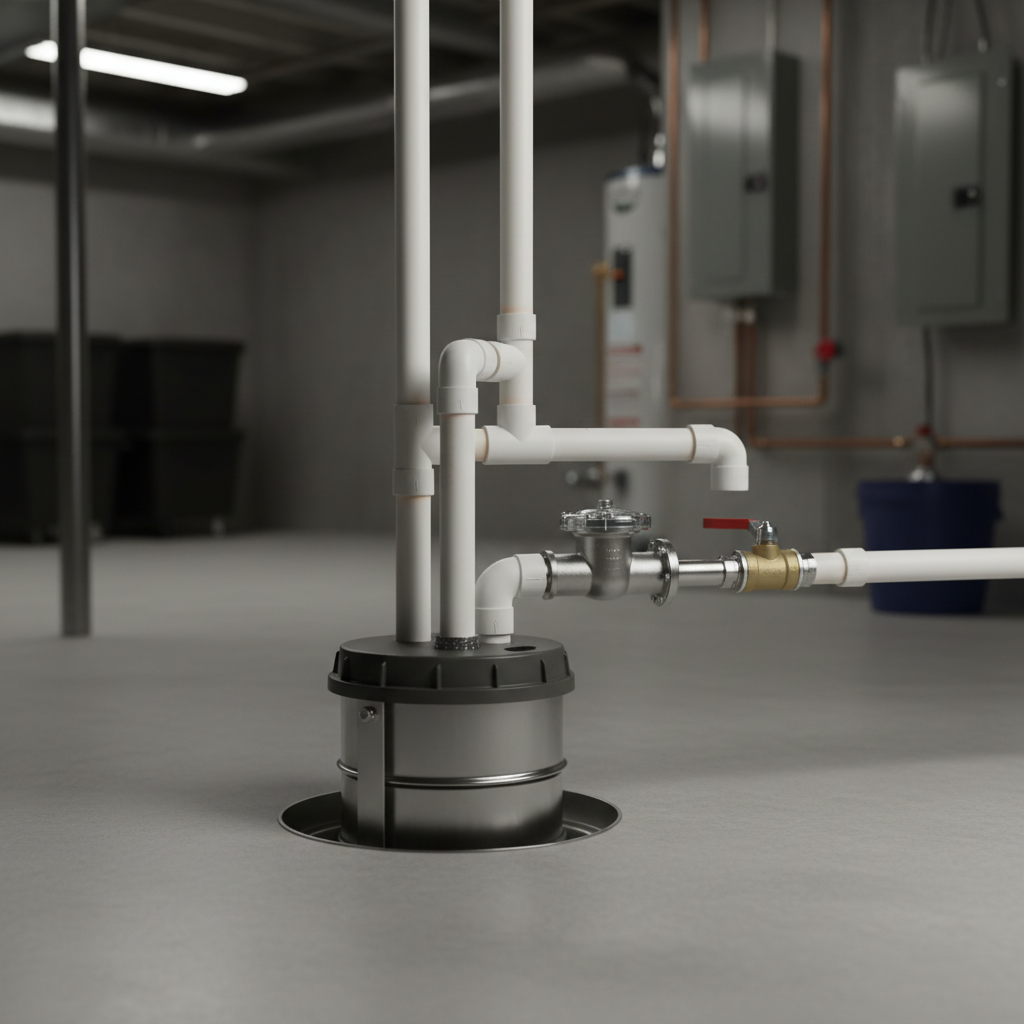
- Basement & foundation: Finished or unfinished; sump pump; backwater valve; weeping tile.
- Outbuildings: Detached garage, sheds, fences, decks.
3) Choose Your Policy Form
- Comprehensive if you want the broadest protection.
- Broad for a balance between breadth and value.
- Basic only when budget outweighs flexibility.
4) Set Valuations & Limits
- Rebuild (Coverage A): Confirm a current replacement cost estimate; document square footage and finishes.
- Contents (Coverage C): Start with a room-by-room inventory; note high-value items.
- Detached structures (B): Garages/sheds; adjust if you’ve added value.
- Additional living expense (D): Ensure a realistic timeframe for major rebuilds.
- Personal liability: Align limits with your exposures (guests, pool, rental suite, volunteer activities).
5) Add Ontario-Focused Endorsements
- Sewer backup and overland water for storm seasons.
- Ground water where seepage risk exists.
- Service line for buried utilities you own.
- Equipment breakdown for sudden mechanical/electrical failures.
- Schedule valuables with appraisals and photos.
6) Pick Deductibles Intentionally
- Align with cash reserves: Choose an amount you can comfortably pay in an emergency.
- Consider separate water deductibles: Many policies assign a specific deductible for sewer/overland claims.
7) Document Proofs for Underwriting
- Photos: Exterior, interior, mechanicals, and any specialty features.
- Certificates: Alarm monitoring, sump pump install, backwater valve, recent electrical inspection.
- Receipts & permits: Recent renovations, finished basement, roof replacement.
8) Prepare for Claims
- Inventory: Maintain a digital log of major items with serial numbers.
- Emergency list: Plumber, electrician, restoration company, broker contact.
- Mitigation gear: Sump pump battery, generators, water sensors, main shutoff labeled.
9) Annual Review
- Update valuations: Rebuild costs and contents list.
- Check endorsements: Add/remove based on renovations or risk changes.
- Re-shop if needed: Ask your broker to compare markets at renewal to keep coverage competitive.
Ready to put your policy under a microscope? Our home insurance service teams in Whitby and across Ontario do this review daily and streamline the paperwork.
Ontario Home Insurance Buying Guide (Step-by-Step)
Shop with a licensed Ontario broker, gather property proofs, choose the best policy form, add water and service-line endorsements, set accurate rebuild and contents limits, finalize deductibles, and schedule an annual review. This sequence ensures your coverage matches lender, lifestyle, and location demands.
- Start with a broker who can access multiple insurers (Aviva, Intact, Economical, Echelon, Jevco, Premier). One application; many options.
- Confirm address, construction, and updates so carriers can rate accurately and avoid inspection surprises.
- Pick the policy form that fits your risk tolerance (Comprehensive, Broad, or Basic).
- Set valuations using square footage, finish quality, and local labor/material insights.
- Layer endorsements for Ontario risks: sewer backup, overland, ground water, service line, and equipment breakdown.
- Choose deductibles you can afford quickly—consider separate water deductibles.
- Schedule valuables with appraisals and photos if needed.
- Send proofs (alarms, photos, permits) to speed up binding and avoid lender delays.
- Finalize the binder and ensure your lender is listed correctly as loss payee.
- Set a renewal reminder to review valuations and endorsements annually.
Buying your first home? For closing-day logistics around insurance timing and documents, this legal explainer on what happens at closing day in Ontario is a helpful companion reference.
Policy Comparison Table (Quick Reference)
Comprehensive offers the broadest protection, Broad mixes broad dwelling coverage with named-perils contents, and Basic limits coverage to listed perils. Use this table to align features and common exclusions with your risk tolerance and budget before you add Ontario-specific endorsements.
| Feature | Comprehensive (All Risk) | Broad Form | Basic/Named Perils |
|---|---|---|---|
| Dwelling Coverage | All risk (exclusions apply) | All risk | Specific perils listed |
| Contents Coverage | All risk (exclusions apply) | Named perils | Named perils |
| Common Exclusions | Wear/tear, maintenance, flood unless endorsed | Same as left; contents limited to listed perils | Many perils excluded unless listed |
| Best For | Owners seeking broadest protection | Balanced coverage needs | Tight budgets/unique risks |
Landlords in Ontario also need tailored policies. If you own rentals, see our guidance on rental property insurance in Ontario to understand liability and loss-of-rent options.
Best Practices to Stay Fully Protected
Focus on water mitigation, accurate valuations, and documented updates. Add service-line and sewer/overland endorsements, maintain a photo inventory, and set a calendar reminder to review limits each year. These habits prevent most surprises at claim time.
Water Defense Wins in Ontario
- Install and maintain a sump pump, battery backup, and backwater valve.
- Extend downspouts and grade soil away from the foundation.
- Add smart sensors near water heaters, laundry rooms, and dishwashers.
- Service-line endorsement for buried utilities; sewer/overland for storms.
Keep Valuations Current
- Rebuild costs change: Materials and labor shift; review Coverage A annually.
- Finished areas: If you renovated a basement or kitchen, update limits now.
- Inventory: Photograph rooms and store serial numbers in the cloud.
Document Updates Proactively
- Keep permits and receipts for roof, electrical, plumbing, or HVAC work.
- Capture before/after photos of major projects.
- Share certificates (alarms/monitoring) with your broker for underwriting.
Renting your basement? Don’t forget separate disclosures and liability considerations. For tenant-focused protections, our primer on tenant insurance benefits helps align expectations with your renters.
Tools, Templates, and Resources
Use a home inventory spreadsheet, a document checklist, and a seasonal maintenance list. Store photos and receipts in the cloud. Share the packet with your broker so binding and renewals move quickly. Add insurer app logins and your broker’s contact for easy claim reporting.
- Inventory template: Room, item, serial number, receipt/photo link, replacement value.
- Document checklist: ID, mortgage details, update years, permits, alarm certificates, photos.
- Seasonal maintenance list: Spring downspouts, summer HVAC service, fall gutter cleaning, winter shutoff prep.
- Digital storage: Cloud folder with share access to your broker when quoting or renewing.
- Emergency contacts: Restoration vendor, plumber/electrician, municipality’s after-hours line, your broker.
If you’re also reviewing your total protection picture, our teams can align home with auto and life. Many Ontario families consolidate through Chase Insurance Brokers to simplify renewals and service.

Get a 10–minute coverage review
- We compare Aviva, Intact, Economical, Echelon, Jevco, Premier.
- We organize your documents and align limits to your rebuild value.
- Call or visit our Whitby office at 400 Dundas St E G-T4A.
Prefer online? Start with our Ontario home insurance request and we’ll follow up the same business day.
Ontario Scenarios and Mini Case Examples
Real-world Ontario situations show how endorsements and documentation save stress: a sewer backup in a finished basement, a broken water service line near the property line, and a kitchen fire where updated valuations and inventories streamlined the claim from day one.
- Finished basement + storm weekend:
- Scenario: Heavy rain triggers a municipal backup into a newly renovated basement.
- Prepared homeowner: Had sewer backup coverage, a backwater valve certificate, and a photo inventory of electronics and furniture.
- Outcome: Claim handled without disputes over limits or proof.
- Service line fracture in early spring:
- Scenario: Water line cracks near the sidewalk; yard excavation needed.
- Prepared homeowner: Service-line endorsement added during last renewal.
- Outcome: Repairs proceeded promptly; homeowner avoided significant out-of-pocket surprises.
- Kitchen fire during a holiday season:
- Scenario: Grease flare-up causes smoke and cabinetry damage.
- Prepared homeowner: Updated rebuild valuation, current photos, and receipts for recent appliances.
- Outcome: Adjuster had what was needed; temporary housing and repairs approved quickly.
New to Ontario homeownership? A quick legal perspective on pre-closing due diligence from an Ontario law firm can help you avoid pitfalls—see this overview of property purchase due diligence mistakes.
Frequently Asked Questions
Common Ontario questions focus on documents lenders need, the difference between overland water and sewer backup, what to disclose about rental suites, and how to keep valuations current. Keep proofs, schedule annual reviews, and call your broker whenever your home’s use changes.
- How do I document home updates for underwriting?
- Keep receipts, permits, and before/after photos.
- Ask for installer certificates (e.g., backwater valve).
- Share a simple update summary by system (roof/electrical/plumbing/HVAC) with years completed.
- What’s the difference between overland water and sewer backup?
- Overland water: Surface water entering due to heavy rain or overflow.
- Sewer backup: Wastewater pushing back through drains into the home.
- Both require specific endorsements; terms vary by insurer.
- Do I need to tell my insurer about a basement rental suite?
- Yes—disclose tenants and layouts. You may need landlord-oriented coverage and higher liability.
- Local bylaws and codes apply; keep permits and tenancy agreements on file.
- How often should I update my rebuild valuation?
- Review annually or after major renovations.
- Share square footage changes, finish upgrades, and new structures promptly.
- Is equipment breakdown coverage worth considering?
- It protects against sudden mechanical/electrical failures of key systems.
- Consider it if you rely on modern HVAC or smart-home infrastructure.
Wrap-Up, Key Takeaways, and Next Steps
Lock in your Ontario home protection by choosing the right policy form, adding water and service-line endorsements, setting accurate valuations, and organizing proofs. A broker ties it together—comparing markets, clarifying limits, and staying with you at claim time.
Key Takeaways
- Policy form first: Comprehensive offers the broadest foundation; Broad and Basic have trade-offs.
- Water drives claims: Add sewer backup and overland/ground water endorsements where eligible.
- Proofs prevent delays: Photos, certificates, and receipts keep underwriting and claims on track.
- Annual review: Update valuations and endorsements as your home and life change.
Next Steps
- Collect your documents with the checklist above.
- Share them through our Ontario home insurance request.
- Prefer in-person? Visit our Whitby office at 400 Dundas St E G-T4A.
Local Tips
- Tip 1: If your Whitby home backs onto green space near Lynde Shores or along Taunton/Thickson corridors, consider overland/ground water endorsements and confirm downspout extensions.
- Tip 2: Schedule roof and gutter checks after fall leaf drop and before spring thaw to reduce water intrusion risk common in Durham Region winters.
- Tip 3: Disclose basement suites along Dundas and Brock corridors—many Whitby homes add rentals; you’ll want tailored liability and proper municipal permits noted in your file.
IMPORTANT: These tips reflect regional patterns we see when helping Ontario families finalize coverage through Chase Insurance Brokers in Whitby.
Related Guides to Explore
If you manage condos, rent space to tenants, or maintain multiple properties, expand this checklist with condo-specific bylaws, renter responsibilities, and landlord liability considerations. Matching coverage to the property type prevents gaps when you move or invest.
- Condo insurance essentials versus freehold homes (bylaws and unit improvements).
- Tenant responsibilities and proof-of-insurance requests for rentals.
- Landlord protections: loss of rent, liability, and building ordinance considerations.


4 Comments
[…] ready to compare, start with a streamlined intake. Our home insurance comparison page and our Ontario home checklist explain what to gather so we can match you with the right market […]
[…] a ready-made review list before renewal? Download and adapt our internal Ontario home insurance checklist to avoid common gaps and […]
[…] extra context, our Ontario auto savings guide and home insurance checklist show how line-by-line tuning compounds value inside a […]
[…] a systematic way to evaluate your home coverage? Use our Ontario home insurance checklist to walk through limits, endorsements, and common pitfalls before you […]