

Toronto Auto Insurance: 7 Ways to Keep Rates Down in 2026
Toronto auto insurance rates are the premiums drivers pay to insure their vehicles in the Toronto area. Rates reflect location risk, driver record, vehicle type, and coverage choices. For Whitby commuters who drive into Toronto, premiums are often influenced by urban traffic exposure, claims frequency, and insurer filings. Here’s how to understand them—and what you can do to keep them in check.
By Chase Insurance Brokers Ltd. • Last updated: 2026-07-06
Quick Summary
Toronto auto insurance rates depend on where you drive, how you drive, and what you drive. Your record, coverage limits, commute pattern, and discounts—like winter tires or usage-based programs—can move premiums meaningfully. Work with a broker to compare multiple insurers and align coverage with your risk tolerance and budget.
- What you’ll learn: the core drivers of rates, how Ontario’s system works, which levers lower premiums, and when to adjust coverage.
- Who this is for: Whitby and GTA drivers, new Canadians, families with teen drivers, and Toronto commuters.
- Why it matters: smarter coverage choices reduce risk gaps and help you qualify for better premiums over time.
At a glance (Table of contents)
What Are Toronto Auto Insurance Rates?
Toronto auto insurance rates are premiums set by insurers based on risk factors like location, driver history, vehicle profile, and coverage selections. In the GTA, higher traffic density and claim frequency typically raise risk, while clean records, telematics, and discounts help offset costs and optimize protection.
Think of your premium as a reflection of exposure and behavior. Toronto’s dense traffic, intersections, and parking patterns add collision and theft exposure; suburban driving adds highway time and commuting risk. Each insurer models these inputs differently, so quoting multiple carriers often yields noticeably different outcomes.
- Location signals: Claim frequency, theft trends, repair costs, weather patterns, and traffic volume in your garaging and commute areas.
- Driver profile: Convictions, at-fault collisions, experience, licensing class, and insurance history.
- Vehicle factors: Safety features, repair cost, parts availability, and theft susceptibility.
- Coverage design: Liability limits, deductibles, optional coverages, and endorsements.
- Behavioral data: Usage-based insurance (telematics) that measures braking, acceleration, time of day, and mileage.
In our experience helping Whitby drivers who commute to Toronto, the biggest wins typically come from a clean record, right-sized deductibles, winter tire recognition, and a telematics score that rewards safer patterns. Bundling auto with home can add another layer of stability and potential savings.
Why Toronto Rates Change—and Why It Matters
Rates change because risk changes. Traffic, claims severity, repair complexity, weather, fraud controls, and regulatory approvals all influence premiums. Understanding those levers helps you make timing decisions—like when to shop, bundle, or adjust coverage—to keep protection strong while minimizing volatility.
Premiums move with real-world conditions. Modern vehicles use advanced sensors and materials; when they’re damaged, repairs require more time and specialized parts. Urban theft trends ebb and flow, and winter driving adds seasonal exposure. Insurers adjust to this reality during regular filings—one reason quotes can vary by carrier and quarter.
- Repair complexity: ADAS sensors and EV components affect labor and parts availability.
- Claim trends: Collision frequency and bodily injury severity in urban corridors influence base rates.
- Regulatory cadence: Insurers periodically file for changes; quotes reflect the currently approved factors.
- Driver lifecycle: New G2 drivers, policy lapses, and license class changes can swing results.
- Vehicle mix: Theft-prone models or hard-to-source parts can push comprehensive premiums up.
Timing matters. If your household adds a young driver, changes jobs (commute shift), or replaces a vehicle, it’s smart to re-check quotes. A broker with access to multiple markets can reduce the whiplash of rate changes by matching your profile to carriers that favor it.
How Ontario’s Auto Insurance System Works
Ontario auto insurance includes mandatory coverages, optional protections, and insurer filings that set rates by risk. Your premium blends liability, accident benefits, and optional physical damage choices, then adjusts for discounts, driver history, usage patterns, and insurer-specific models.
At a high level, your policy contains mandatory sections alongside optional add-ons. Each insurer uses a proprietary rating model. Brokers compare those models on your behalf so you don’t have to restart from scratch whenever your situation changes.
- Mandatory core: Third-party liability, accident benefits, direct compensation-property damage (DCPD), and uninsured automobile coverage.
- Optional physical damage: Collision and comprehensive, with selectable deductibles.
- Endorsements (OPCFs): Add-ons that customize coverage (e.g., transportation replacement, liability for non-owned autos).
- Discounts and surcharges: Winter tires, multi-vehicle, conviction-free, telematics, or minor/major conviction impacts.
- Underwriting eligibility: Not all carriers accept every profile; brokers route applications to fit appetite and pricing.
For Whitby residents who park at home but drive daily to Toronto, we often calibrate collision/comprehensive deductibles, consider a usage-based program, confirm winter tire recognition, and right-size liability limits to reflect urban exposure. Small design choices compound into meaningful premium differences over time.
Coverage Types, Methods, and Approaches
Design your policy around how you actually drive. Start with mandatory coverages, then add physical damage and endorsements that match your commute, vehicle age, and tolerance for out-of-pocket risk. Use telematics and bundling to unlock credits without sacrificing essential protection.
Coverage isn’t one-size-fits-all. A low-mileage hybrid parked in Whitby with occasional Toronto trips needs a different setup than a daily downtown parker. Here’s a practical way to organize choices.
Core building blocks
- Liability: Protects you if you’re legally responsible for injury or damage to others.
- Accident benefits: Provides specified benefits regardless of fault for medical and rehab needs.
- DCPD: Handles damage to your vehicle when another insured driver is at fault.
- Uninsured auto: Covers injury/damage caused by uninsured or hit-and-run drivers.
Optional protections
- Collision: Pays for your vehicle’s repairs after an at-fault crash; deductible applies.
- Comprehensive: Covers non-collision events like theft, hail, or vandalism; deductible applies.
- Endorsements: Tailored features like replacement transportation or coverage for borrowing a car.
Approach that fits your reality
- Newer or financed vehicle: Favor collision/comprehensive to protect asset value.
- Older, fully owned vehicle: Consider higher deductibles or dropping collision if value is modest.
- Heavy city driving: Keep deductibles sensible and consider telematics to reward smooth driving.
- Infrequent driver: Telematics and lower annual mileage can align premium with limited use.
Best Practices to Keep Premiums Lower
Focus on controllables: clean record, winter tires, telematics, accurate mileage, right-sized deductibles, and bundling. Review your policy when life changes—new job, new car, or young driver. Comparing multiple insurers through a broker consistently uncovers better-fitting options.
High-impact moves
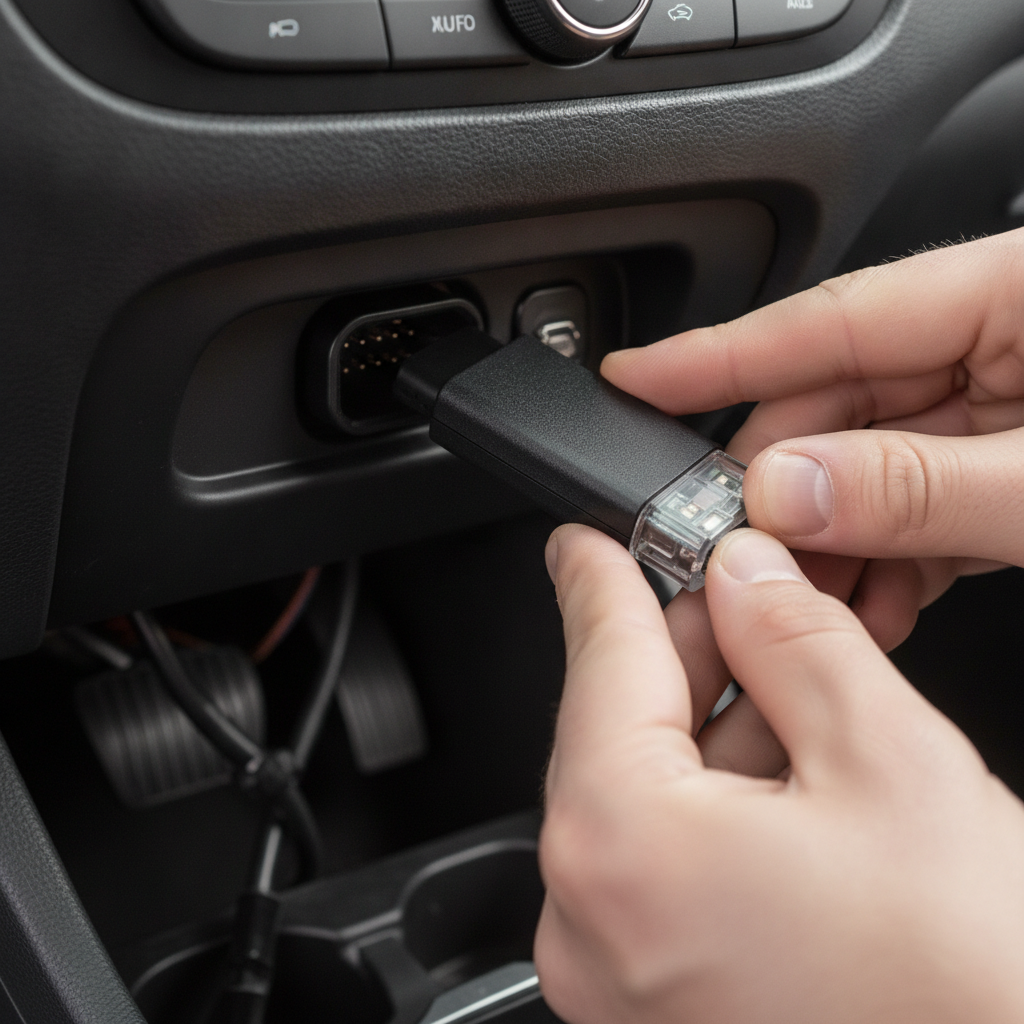
- Adopt telematics: Safe, consistent driving can earn meaningful credits over time.
- Install winter tires: Improves traction and aligns with recognized discount programs.
- Bundle policies: Pair auto with home or condo to pursue multi-line credits and stability.
- Keep a clean record: Tickets and at-fault collisions weigh heavily; defensive habits pay back.
- Right-size deductibles: Balance premium relief with what you’re comfortable paying out-of-pocket.
- Update mileage and garaging: Accurately reflect usage—especially if your commute changed.
Timing and review cadence
- Re-quote when you change vehicles, jobs, or drivers in the household.
- Ask about endorsements you no longer need—or new ones that now fit.
- Revisit liability limits as your assets and driving footprint grow.
Local considerations for Whitby
- When planning a downtown library visit, Whitby families sometimes split errands between the local Whitby Public Library – Central Library and Toronto destinations; align your parking choices to lower theft and scrape exposure.
- Winter mornings near Peel Park can include black ice patches; winter tires and gentle throttle inputs help protect your record.
- If you shift from GO or carpooling to solo driving, update your commute details so your policy reflects real mileage.
Tools, Resources, and a Practical Checklist
Use a broker’s market access, digital quote forms, and usage-based apps to align price with how you drive. Keep a simple renewal checklist: drivers, vehicles, mileage, discounts, endorsements, and changes since last year—to catch savings and close coverage gaps quickly.
- Broker advantage: Our team compares multiple insurers—Aviva, Intact, Economical, Echelon, Jevco, Premier—so you see options side by side.
- Digital intake: Submit quotes online, by phone, or schedule a quick consult for guidance.
- Usage-based apps: Telematics programs reward smooth braking, steady speeds, and daytime driving.
Renewal-ready checklist
- Any new tickets, claims, or license class changes?
- Different job, commute, or parking arrangement?
- Winter tire installation dates documented?
- Vehicle replaced, modified, or financed?
- Bundle opportunities with home, condo, or tenant policy?
- Endorsements to add or remove based on current needs?
Want a deeper dive into rate levers? See our guidance on reducing auto insurance costs in Ontario and how to choose auto insurance coverage that matches your driving profile.
Pricing Factors You Can Influence
While you can’t control overall market shifts, you can influence your personal rating: driving habits, coverage design, mileage, vehicle choice, discounts, and bundling. Targeting these inputs steadily over time produces more durable premium improvements.
| Factor | Likely Effect | Why It Matters |
|---|---|---|
| Driving record | Major impact | Tickets and at-fault collisions drive surcharges; clean records unlock credits. |
| Mileage/commute | Moderate impact | Less exposure generally equals lower risk; telematics verifies low usage. |
| Vehicle safety/theft | Moderate to high | Advanced safety aids help; theft-prone models can raise comprehensive premiums. |
| Coverage/deductibles | Moderate | Higher deductibles reduce premium but increase out-of-pocket at claim time. |
| Bundling | Moderate | Multi-line relationships can stabilize pricing and add credits. |
| Usage-based (UBI) | Moderate | Rewards smooth driving, daytime trips, and fewer harsh events. |
For a step-by-step playbook, review our guide to getting lower auto insurance rates in Ontario and our overview of why Ontario drivers pay more—and how to respond.

Case Studies and Real-World Examples
Small, consistent moves beat one-off changes. In Whitby and the GTA, combining telematics, winter tires, accurate mileage, and bundling steadily improves results—especially for households that commute to Toronto or add new drivers.
- Whitby commuter profile: Two drivers, one hybrid, one SUV. We enabled telematics on the commuter car, confirmed winter tire recognition, and raised the comprehensive deductible on the low-mileage hybrid. Over the next renewal, the combined effect reduced volatility and aligned price with real usage.
- New G2 driver joins: Family adds a teen driver with a shared vehicle. We recommended a defensive-driving course, reviewed liability limits, and kept telematics active to reward good habits from day one. The household’s policy stayed right-sized, even with a higher-risk profile.
- Vehicle upgrade downtown: Client switches to a newer model parked in Toronto during weekdays. We retained collision/comprehensive, adjusted deductibles, and added transportation replacement. The client balanced protection with sensible out-of-pocket exposure.
Every scenario is different. That’s why a brokerage with multiple insurer partners can route each profile to the carrier that favors it—without you repeating forms for hours.
How to Work with a Broker for Better Results
Bring clean, current information and clear goals. A broker compares multiple insurers, explains trade-offs, and tailors endorsements. You save time while aligning coverage, discounts, and deductibles with how you actually drive.
- Prepare basics: License numbers, current policy, drivers, vehicles, VINs, annual mileage, commute, parking.
- Share changes: New job, address, driver additions, or recent convictions/claims.
- Define priorities: Lower volatility? Higher liability limits? Smooth path for a new driver?
- Compare outcomes: Ask for side-by-side options with pros/cons and suggested next steps.
For more context on designing your coverage, explore our Ontario auto insurance overview and practical guidance on combining car and home insurance to simplify your insurance footprint.
Not sure where to start? We’ll review your details and show options from multiple insurers so you can choose the fit that feels right—fast.
Chase Insurance Brokers Ltd. serves Whitby, Toronto, and all of Ontario.
Frequently Asked Questions
These quick answers address how to lower Toronto auto insurance rates, when to re-quote, and what affects eligibility. For personalized help, a brief broker consult typically surfaces your best next steps.
How can I lower my premium without sacrificing coverage?
Focus on controllables: keep a clean record, enable a telematics app, install winter tires, and review deductibles. Bundle auto with home or condo. Update your mileage and parking details if your commute changed. A broker can compare multiple insurers to find a model that better fits your profile.
Will usage-based insurance help in Toronto traffic?
It can. Programs track braking, acceleration, time of day, and mileage. Smooth driving and daytime trips tend to score better. If your patterns are steady and cautious, telematics often improves outcomes over time, even with urban traffic variability.
Should I change deductibles when I replace my car?
Often yes. Newer or financed vehicles usually warrant collision and comprehensive, with deductibles balanced against your comfort level. If you buy an older, fully owned vehicle, you might raise deductibles—or consider whether collision is still worthwhile for your situation.
Do Toronto commutes affect my Whitby-based policy?
Yes. Insurers consider where you drive as well as where you park. Daily Toronto driving adds urban exposure. Accurate mileage and commute details ensure your rate reflects real risk—and telematics can help verify patterns for potential credits.
When should I re-quote my auto insurance?
Re-check quotes when you change vehicles, add a driver, move, switch jobs or commute, get tickets, or after a claim. Annual reviews also help you catch new discounts and right-size endorsements as life changes.
Key Takeaways
Control what you can: driving habits, coverage design, mileage accuracy, winter tires, bundling, and telematics. Review at life changes and compare multiple insurers through a broker to keep strong protection while steadily improving your premium outlook.
- Toronto exposure influences Whitby drivers who commute downtown—design coverage accordingly.
- Telematics and winter tires are simple, repeatable levers that reward safe, consistent habits.
- Bundle where possible and keep details current to avoid rating mismatches.
- Use a broker’s market access to find the carrier that favors your profile today.
Related Context and Citations
When your driving situation changes—like transferring ownership or shifting to commercial livery—adjacent rules and resources come into play. Use credible how-to guides and sector FAQs to prepare documents and understand use classifications before you update your policy.
If you’re transferring vehicle ownership, this step-by-step legal overview can help you organize documents before updating your insurance: vehicle ownership transfer guide. Drivers who shift to livery or professional use should also review general livery FAQs and typical service patterns to understand how “use” classification differs from personal driving.