


Rental Property Landlord Insurance Guide: Avoid Big Losses
Rental property landlord insurance is a dedicated policy for owners who rent homes, condos, or units. It covers the building itself, your liability if someone is injured on the property, and lost rental income when a covered claim makes the unit unlivable. It is separate from a tenant’s insurance.
By Chase Insurance Brokers Ltd. • Whitby, Ontario — 400 Dundas St E G-T4A • Last updated: 2026-04-10
Quick Answer
A rental property landlord insurance guide explains how dwelling, landlord liability, and loss of rent protections work for Ontario rentals. At our Whitby office (400 Dundas St E G-T4A), Chase Insurance Brokers compares policies from multiple insurers so landlords can add key endorsements (e.g., sewer backup) and align coverage with their properties.
Overview
Landlord insurance protects your rental building, shields you from lawsuits, and replaces rent after insured damage. This overview gives you plain-English definitions, Ontario-focused tips, a side-by-side policy comparison, and a practical checklist you can use before your next tenant move‑in.
- What you’ll learn: Core coverages, exclusions, endorsements, and claims steps.
- Why it matters: One uninsured water claim can pause rent and threaten cash flow.
- Who it’s for: Single‑home landlords, condo investors, and multi‑unit owners across Ontario.
- How we help: We place landlord policies with Aviva, Intact, Economical, Echelon, Jevco, Premier, and more for apples‑to‑apples comparisons.
- Deliverables: Downloadable pre‑tenant inspection checklist and renewal prep list (below).
Local Tips
- Tip 1: When scheduling inspections near downtown Whitby or along Dundas St E, plan for midday to avoid commuter traffic around Highway 401 ramps and give contractors easy access.
- Tip 2: Spring thaw and heavy summer storms increase sewer backup risk in Durham Region. Ask us to include overland water and sewer backup endorsements before storm season.
- Tip 3: For condo rentals near the GO station, request your condo corporation’s insurance certificate and bylaws. We’ll make sure your landlord policy dovetails with building coverage.
IMPORTANT: These tips reflect common landlord needs we see in Whitby and the GTA through Chase Insurance Brokers.
What Is Rental Property Landlord Insurance?
Rental property landlord insurance is a home policy designed for owners who lease out property. It covers the dwelling structure, landlord liability for injuries or property damage, and lost rental income when an insured peril forces tenants out. It complements—rather than replaces—your tenant’s own insurance.
- Plain definition: Insurance for the owner of a rented dwelling that protects the building, your legal exposure, and your rent stream after insured damage.
- How it differs from homeowner insurance:
- Homeowner policies assume owner‑occupied risks; landlord policies assume tenant‑occupied risks.
- Coverage forms, claims handling, and optional endorsements are tailored to rental exposures.
- How it differs from tenant insurance:
- Tenant insurance covers a renter’s belongings and personal liability—not your building.
- Many landlords require tenants to carry liability coverage and provide proof before move‑in.
- Ontario context: Landlord and tenant policies are separate. Condo corporations insure common elements; landlords insure the unit/fixtures; tenants insure personal contents.
- Who needs it: Single‑family landlords, duplex/triplex owners, condo investors, and small apartment building owners.
In our experience placing policies across the GTA, the most common surprise is that “loss of use” for homeowners is not the same as “loss of rent” for landlords. We walk clients through that difference during onboarding.
Why Landlord Insurance Matters (Ontario Focus)
Landlord insurance matters because a single fire, burst pipe, or liability lawsuit can halt rent and threaten mortgage payments. Ontario rentals face tenant‑occupied risks, water events, and condo bylaw obligations. The right policy stabilizes cash flow and aligns with building requirements.
- Cash‑flow protection: Loss‑of‑rent coverage replaces rental income during a covered repair period, helping you stay current on mortgage and taxes.
- Liability shield: If a visitor slips on icy steps or trips over loose flooring, landlord liability responds to covered claims.
- Water and weather realities:
- Ontario properties see freeze‑thaw cycles, spring runoff, and severe summer storms.
- Endorsements like sewer backup and overland water are essential for many addresses.
- Condo obligations: Many corporations require owners to insure unit improvements and carry liability that coordinates with building coverage.
- Lender requirements: Mortgagees typically require adequate dwelling coverage and proof of insurance before funding and at renewal.
- Tenant screening isn’t insurance: Even with careful screening, accidents and sudden damage still happen. Coverage is the backstop.
Take a Whitby duplex near Dundas St E as an example: a kitchen fire in Unit A could displace both tenants due to smoke damage. With proper landlord coverage, repairs and lost rent can be addressed under the policy, subject to terms.
How Landlord Insurance Works
Landlord insurance activates when an insured peril damages your rental or when you face a covered liability claim. You submit a claim, adjusters confirm damage and coverage, repairs proceed, and loss‑of‑rent applies during uninhabitability. Deductibles and exclusions impact payout timelines and amounts.
- Underwriting basics:
- Insurers assess location, construction, updates (roof, wiring, plumbing), and occupancy (student, family, short‑term).
- Disclosure of vacancy periods, renovations, and auxiliary units is essential.
- Common insured perils: Fire, explosion, wind, hail, certain water damage, theft, and vandalism (policy‑specific).
- Loss of rent trigger: Applies when covered damage makes the unit unfit to live in. It doesn’t respond to market conditions or voluntary renovations.
- Claims playbook (high level):
- Ensure safety and prevent further damage (shut off water, board up, contact emergency services as needed).
- Notify your broker and insurer quickly; provide photos and tenant contact details.
- Allow adjuster access; get repair estimates from qualified contractors.
- Track temporary accommodations arrangements the tenant makes (for context) and your missed rent periods.
- Complete repairs; verify the habitability date to close loss‑of‑rent.
- Deductibles and sub‑limits: Water endorsements often carry separate limits or waiting periods; review these at renewal.
We document materials, finishes, and square footage up front. Clear records shorten adjustment time and help validate replacement values if there’s a major claim.
Types of Landlord Coverage (And What They Do)
Core landlord protections include dwelling coverage for the structure, landlord liability for injuries and damage, and loss of rent after a covered peril. Add endorsements—like sewer backup, overland water, equipment breakdown, and landlord contents—to close common gaps.
- Dwelling (building) coverage:
- Protects the structure: roof, walls, built‑in fixtures, decks, and sheds (policy‑defined).
- Replacement cost vs. actual cash value depends on the form selected.
- Landlord liability:
- Responds to covered bodily injury or property damage claims arising from premises conditions.
- Includes defense costs within policy terms.
- Loss of rental income:
- Replaces rent during covered repairs after insured damage renders the space uninhabitable.
- Typically limited by time or amount—know your cap and waiting periods.
- Water endorsements:
- Sewer backup: Responds to damage from drain or sump failures.
- Overland water: Addresses surface water entering from heavy rains or snowmelt (eligibility varies).
- Landlord contents: Covers your appliances or furnishings you provide (e.g., stove, fridge) up to a stated limit.
- Equipment breakdown: Helps with sudden mechanical/electrical breakdown of covered equipment (e.g., furnace), distinct from wear and tear.
- Vacancy permit/endorsement: Needed if a unit will be vacant beyond the policy’s allowed days; without it, coverage can be restricted.
- Short‑term rental endorsement: Required when using platforms for nightly/weekly stays; underwriting and terms differ from long‑term leases.
Condo investors should review the corporation’s deductible and bylaw requirements annually. We align your unit improvements and landlord liability with the building’s master policy to avoid gaps.
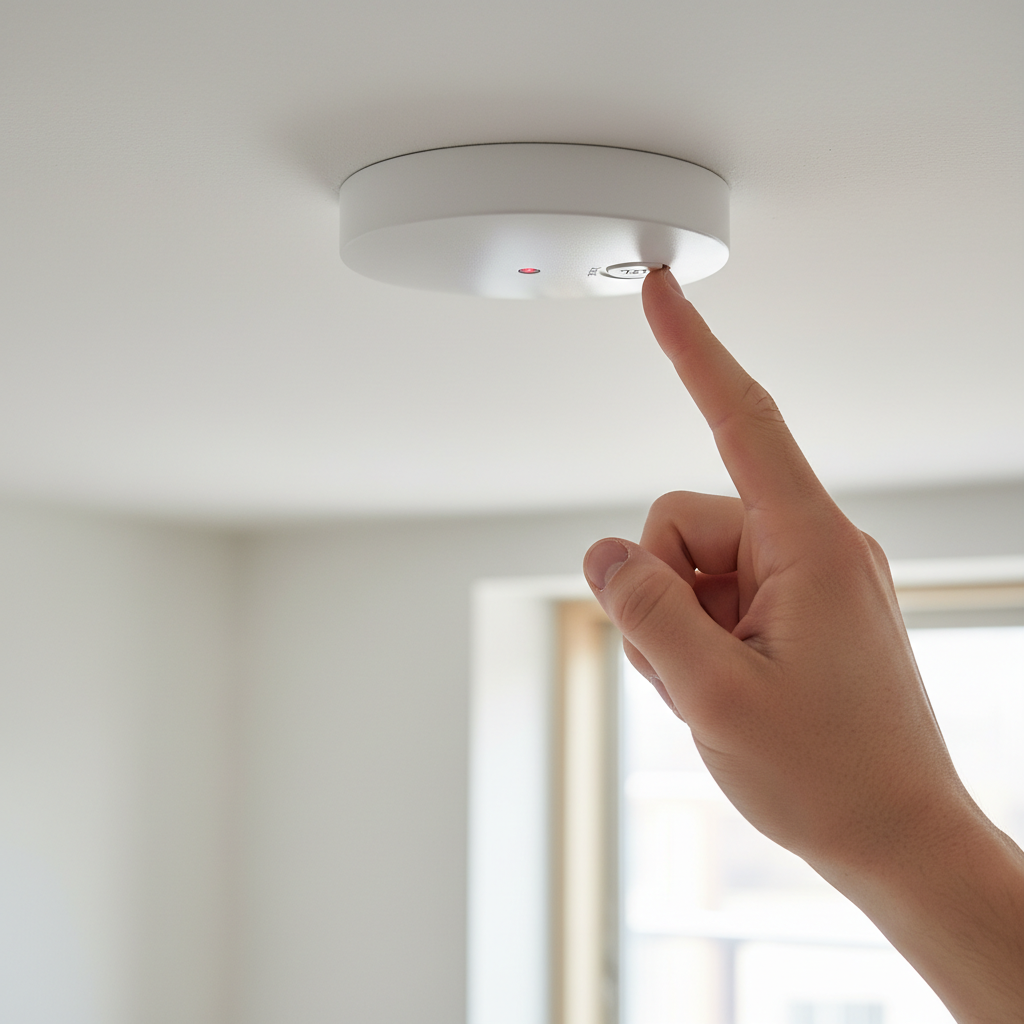
Best Practices to Reduce Claims and Stabilize Premiums
Reduce claims by inspecting between tenancies, maintaining plumbing and roofs, and installing leak sensors and monitored alarms. Require tenant insurance, document conditions, and respond quickly to maintenance requests. Strong prevention lowers risk and supports better eligibility across insurers.
- Before every move‑in:
- Complete and sign a detailed condition report with timestamped photos.
- Test smoke/CO alarms on each floor; replace batteries and note dates.
- Confirm proof of tenant liability insurance and emergency contacts.
- Water controls:
- Install braided steel supply lines and smart leak sensors near hot water tanks and dishwashers.
- Check grading and downspouts to push water away from foundations.
- Winter prep:
- Insulate exposed pipes, especially in basements and crawlspaces.
- Set clear minimum heating guidelines in leases during cold snaps.
- Maintenance response: Log requests, prioritize hazards (loose railings, trip points), and document fixes.
- Vendor roster: Keep a vetted list of plumbers, electricians, roofers, and restoration firms for rapid response.
- Security basics: Good exterior lighting, trimmed shrubs near entries, and secure locks deter opportunistic damage.
We provide an insurer‑friendly checklist landlords can keep on file, making renewals smoother and showcasing a prevention mindset that markets prefer.
Tools, Checklists, and Resources
Use structured checklists to standardize inspections, documentation, and renewals. A consistent playbook speeds quotes, avoids coverage gaps, and proves diligence if a claim happens. Download the move‑in/out and renewal prep lists below and keep them with your lease files.
Move‑In / Move‑Out Inspection Checklist
- Exterior photos: roof, siding, gutters, grading, steps, railings.
- Interior photos: ceilings, kitchens, baths, flooring, windows, utilities.
- Safety tests: smoke/CO alarms, GFCIs, handrails, fire extinguishers.
- Appliances: serial numbers, age, condition; note landlord‑owned items.
- Plumbing: shutoff valves labeled; no active drips; supply lines upgraded.
- Electrical: panel labeling; no missing covers; test exterior outlets.
- Tenant docs: proof of tenant insurance; emergency contacts; keys list.
Annual Renewal Prep List
- Update roof, furnace, or electrical upgrades in the last 12 months.
- Note any vacancy periods and reasons; advise broker if future vacancy expected.
- Confirm tenant profile (family, students, professionals) and any unit changes.
- Review water endorsements and deductible options with your broker.
- Inventory landlord‑provided contents (appliances, window AC units).
For detailed rental coverage context, see our Ontario‑specific article on protecting your investment and our practical guide to tenant insurance benefits. Both outline documentation insurers appreciate.
Landlord vs Homeowner vs Tenant Insurance (Comparison)
Owner‑occupied home insurance, landlord policies, and tenant insurance solve different problems. Owners insure the building they live in. Landlords insure rental structures and rent income. Tenants insure personal contents and personal liability. The table clarifies who covers what.
| Feature | Homeowner Policy | Landlord Policy | Tenant Policy |
|---|---|---|---|
| Who buys it | Owner‑occupant | Property owner who rents to others | Renter |
| Dwelling coverage | Yes | Yes (rental risk rated) | No |
| Contents coverage | Owner’s belongings | Landlord‑owned appliances/fixtures (optional/limited) | Tenant’s belongings |
| Liability | Personal liability | Premises/liability for rental operations | Personal liability |
| Loss of use / rent | Loss of use (owner’s extra living costs) | Loss of rent (rental income) | Additional living expenses (tenant) |
| Named insured | Owner‑occupant | Landlord entity or individual | Tenant |
Want more detail on who covers what? Our step‑by‑step tenant rights and insurance explainer pairs well with this table.
Case Studies and Real‑World Examples
Real claims show how coverage responds. From kitchen fires to sewer backups, the right endorsements speed repairs and replace rent. These Ontario‑based examples illustrate how documentation, tenant policies, and quick reporting impact outcomes.
- Whitby duplex kitchen fire:
- Event: Grease fire charred cabinets; smoke impacted both units.
- Response: Dwelling coverage handled repairs; loss‑of‑rent applied until re‑occupancy.
- Lesson: Document finishes and rent amounts to validate claims faster.
- GTA condo water escape:
- Event: Failed dishwasher line in 10th‑floor unit; water affected flooring.
- Response: Landlord contents (appliances) and unit improvements covered; building’s master policy addressed common elements.
- Lesson: Coordinate bylaws and endorsements annually.
- Oshawa sewer backup in basement suite:
- Event: Heavy rain overwhelmed local systems; finished basement flooded.
- Response: Sewer backup endorsement funded remediation; loss‑of‑rent covered downtime.
- Lesson: Overland water + sewer backup is a common pairing in Durham Region.
- Student rental slip‑and‑fall (Hamilton):
- Event: Tenant’s guest slipped on icy front steps.
- Response: Liability coverage addressed the injury claim per policy terms.
- Lesson: Winter maintenance logs support defenses and renewals.
- Short‑term rental misalignment (Toronto):
- Event: Owner shifted to nightly rentals without notifying insurer.
- Response: Claim complications arose due to occupancy change.
- Lesson: Update your broker before changing rental models.
We’ve found that early broker notification, clear tenant requirements, and accurate building data consistently improve claim timelines and renewal options.
Pricing Factors and Typical Discounts
Premiums are shaped by the building’s location and age, updates to key systems, occupancy type, claim history, and selected endorsements. Discounts often apply for alarms, loss‑prevention upgrades, and multi‑policy bundling. We optimize these variables across multiple insurers to keep coverage efficient.
- Property characteristics: Year built, construction type, roof and wiring updates, proximity to hydrants and fire halls.
- Occupancy: Family, professionals, students, short‑term rental, or commercial‑residential mix (where applicable).
- Claims history: Prior water, fire, or liability claims influence eligibility and terms.
- Endorsements and limits: Sewer backup, overland water, equipment breakdown, and higher liability limits affect premiums.
- Security and prevention: Monitored alarms, leak sensors, and shutoff valves can unlock savings with certain markets.
- Bundling strategies: Pairing landlord and home/auto policies can streamline administration and overall value.
Want a deeper Ontario checklist to prep for quotes? Review our home insurance checklist and adapt it for rental units—insurers appreciate the same level of documentation.
How to Get Covered Through Chase Insurance Brokers
Start by sharing property details, tenant profile, recent upgrades, and any condo bylaws. We compare multiple insurers, recommend endorsements, and coordinate tenant insurance requirements. You’ll receive a clear summary of coverage, limits, and practical prevention tips for the year ahead.
- Tell us about the property: Address, construction details, updates, suites, and any vacancy plans.
- Share occupancy info: Tenant profile, lease term, and short‑term rental plans if relevant.
- Condo investors: Provide corporation bylaws and master policy details for alignment.
- Pick endorsements: We’ll model sewer backup, overland water, equipment breakdown, and landlord contents.
- Coordinate tenants: Require tenant liability insurance; we can supply a simple proof template.
- Bind and document: Receive e‑policy, certificate, and a claims‑ready photo log template.

Soft Consultation CTA
Want our checklist and a side‑by‑side quote summary from multiple insurers? Connect with Chase Insurance Brokers in Whitby for a quick discovery chat. We’ll help you document your property so underwriting is fast and clean.
Explore rental property coverage or coordinate tenant insurance requirements.
FAQ: Rental Property Landlord Insurance (Ontario)
Common landlord questions center on tenant policies, water coverage, and loss‑of‑rent triggers. These quick answers clarify responsibilities and help you prepare clean documentation that speeds both quoting and claims.
Do I need landlord insurance if my tenant has insurance?
Yes. A tenant’s policy covers the renter’s belongings and their personal liability. Landlord insurance covers your building, your rental income after an insured loss, and landlord liability. Both are needed for full protection.
Is sewer backup covered automatically?
Usually not. Sewer backup is often an optional endorsement. In many Ontario neighborhoods, pairing sewer backup with overland water provides stronger protection during heavy rains. We’ll confirm eligibility at your address.
What triggers loss of rent?
Loss‑of‑rent applies when covered damage forces tenants to move out during repairs. It doesn’t respond to renovations, market vacancies, or non‑payment of rent. Keep clear records of the uninhabitable period to support the claim.
Can I rent my property short‑term on hosting platforms?
Only if your insurer approves and your policy includes the right endorsement. Short‑term rentals change risk characteristics and underwriting. Tell your broker before making the switch to avoid coverage conflicts.
How does a condo corporation’s policy affect my coverage?
The building’s master policy handles common elements. As a condo landlord, you typically insure unit improvements and carry landlord liability. We’ll read the bylaws and coordinate limits so there are no gaps.
Key Takeaways
Protect the building, protect your liability, and protect your rent stream—then close gaps with water and equipment endorsements. Standardize inspections, require tenant insurance, and document upgrades. With a broker comparing markets, you’ll align coverage and streamline renewals.
- Landlord policies cover the structure, landlord liability, and loss of rent.
- Tenant insurance is separate and should be required in leases.
- Water endorsements (sewer backup, overland) are critical in many Ontario areas.
- Documentation and prevention improve claims and renewal options.
- Work with a brokerage that can compare multiple insurers quickly.
Conclusion
A strong landlord policy stabilizes cash flow and reduces stress when the unexpected happens. Pair it with tenant requirements and a maintenance plan. Our Whitby team can review your property in minutes and match you with insurer options that fit how you rent.
- Review your current coverage against this guide’s checklist.
- Gather condo bylaws or recent upgrade notes.
- Ask us for side‑by‑side quotes and endorsement comparisons.
- Book a brief coverage review in Whitby or by phone.
Ready to move? Visit our site to get started from anywhere in Ontario. For landlords acquiring a new rental, this primer on what happens on closing day offers useful context for your timeline and documentation.


2 Comments
[…] replacement-cost protection, contents coverage, or outbuilding protection is included. Chase’s landlord insurance guide offers additional context, but it does not replace individualized policy […]
[…] a deeper landlord overview, see our landlord insurance guide, which complements this article with forms and […]