
A Practical Guide to Landlord Insurance Claims
When something goes wrong at a rental property, the quality of your documentation and the way you present your landlord insurance claim can make a meaningful difference in how smoothly the process goes. This guide offers a practical, step-by-step approach to help rental property owners prepare before a loss, act decisively after an incident, and manage the claim from first notice through resolution. It is general information only and not legal, financial, or insurance advice. For advice about your situation and policy, consult a qualified professional.
Landlord claims basics
Every insurer and policy can be different, but most landlord insurance claims follow a similar path: an event occurs; you make the property safe; you notify your insurer; you document the damages and related expenses; an adjuster assesses the loss; and the claim is settled according to the contract terms, limits, exclusions, and deductibles. Your role is to report promptly, keep accurate records, communicate clearly, and make reasonable efforts to reduce further damage.
- Many policies require prompt notice and cooperation. Delays, incomplete information, or unauthorized permanent repairs can complicate a claim.
- If tenants, contractors, or third parties are involved, obtain their details and preserve relevant communications.
Because policy language governs what happens next, keep a current copy of your declarations page and full wording accessible. If you manage multiple properties, standardize how you collect and store documents across addresses.
Prepare before a loss: records and routines that pay off
Strong preparation turns a stressful incident into a manageable project. Set up simple, repeatable systems for each property so you are ready whenever you need them.
Essential records to keep up to date
- Policy documents: declarations page, endorsements, deductibles, exclusions, and contact numbers for claims reporting.
- Property baseline: recent photos or video walkthroughs of interior, exterior, major systems, and any upgrades.
- Proof of ownership and improvements: purchase documents, permits, invoices, and completion photos for renovations.
- Tenant information: leases, applications, emergency contacts, and move-in/move-out inspection reports.
- Maintenance logs: service dates for HVAC, roofing, plumbing, and electrical; pest control records; chimney or dryer vent cleanings; snow and ice removal logs as applicable.
- Inventory for furnished units: itemized list with model/serial numbers, purchase dates, and receipts where available.
Simple property readiness checklist
- Ensure smoke/CO detectors and shut-off valves are functional and tenants know where they are.
- Label electrical panels and main water/gas shut-offs.
- Back up digital files to a secure cloud location; store hard copies in a safe place.
When an incident happens: the first 24–48 hours
In the immediate aftermath, your priorities are safety, mitigation, notification, and documentation. The order may vary depending on the situation, but these steps cover the essentials.
- Protect people first: confirm tenants are safe. If needed, contact emergency services.
- Prevent further damage: shut off water, power, or gas if it is safe to do so. Arrange temporary measures like tarping, boarding, or water extraction as appropriate.
- Notify your insurer promptly: provide the policy number, property address, date/time of loss, a brief description, and any immediate mitigation taken.
- Capture evidence: take clear photos and short videos from multiple angles before moving items, when safe. Note the source of damage if identifiable.
- Preserve damaged items: unless safety dictates disposal, keep key items for inspection. If disposal is necessary, photograph thoroughly and keep receipts.
If authorities, utilities, or strata/condo corporations are involved, record incident or file numbers and contact details. Keep communications factual and dated.
Building your claim file: what to collect and how to present it
A well-organized claim file helps the adjuster confirm what happened, what it will take to fix, and how the policy may respond. Think in terms of proof of loss, scope of work, and costs.
Core components of a strong file
- Incident summary: a concise, dated description of events, including discovery time, immediate actions, and current condition.
- Visual evidence: time-stamped photos and videos of damage, the affected area’s boundaries, and any source indicators (e.g., a burst pipe).
- Maintenance and prior condition records: show that systems were maintained and the area was in good shape before the event.
- Estimates and invoices: at least one detailed contractor estimate aligned to a clear scope of work; keep final invoices itemized.
- Contents inventory (if furnished): spreadsheet with item, brand/model, age, condition, purchase price, and estimated replacement cost.
- Income documentation (if applicable): leases, rent rolls, bank statements, and correspondence supporting the rental status before/after the incident.
Presenting your file
- Use a single folder, with subfolders for photos, estimates, invoices, communications, and forms.
- Create a one-page summary listing key facts, timelines, and contact names for quick reference.
- Respond to information requests completely and in writing when practical, confirming any verbal guidance in a follow-up email.
Coverage categories to ask about
Coverage varies by policy and insurer. Instead of assuming, ask your insurer or broker targeted questions about how your policy addresses the following categories. Their answers, tied to the wording, guide your next steps.
- Dwelling/Building: repairs to the structure, attached fixtures, and built-in systems.
- Other structures: detached garages, sheds, or fences.
- Landlord’s contents (if furnished): appliances, furniture, and equipment you own and provide.
- Loss of rental income or rent default scenarios: documentation required, waiting periods, and any limits or conditions.
- Additional living expenses or tenant relocation: whether and how these are handled under your policy.
- Special limits and sub-limits: caps for certain items or causes of loss.
- Deductibles and endorsements: how multiple deductibles or special endorsements apply to the event.
- Excluded causes: wear and tear, long-term leaks, or maintenance-related issues, as defined by your policy.
Working with adjusters and contractors
The adjuster’s role is to verify what happened, measure the damage, and apply the policy. Your role is to be cooperative, organized, and focused on an accurate scope of repair.
- Be available for inspection: accompany the adjuster if possible to point out all affected areas, including behind walls or under flooring where appropriate and safe.
- Agree on scope first: make sure the scope describes line-by-line what will be repaired or replaced and to what standard, before focusing on price.
- Use reputable contractors: obtain written estimates that match the agreed scope. Keep change orders documented with reasons.
- Mitigation vs. permanent repair: clarify with your insurer what work is considered temporary mitigation (often urgent) and what requires prior approval.
- Payment flow: confirm who will be paid and when (you, the contractor, or via joint cheques), and what documents trigger payment (invoices, photos, completion certificates).
Avoiding common pitfalls
Small missteps can slow or complicate a claim. These frequent trouble spots are avoidable with a bit of planning.
- Waiting too long to report: prompt notice helps protect your position under the policy.
- Discarding key evidence: when safety permits, keep damaged components until inspection.
- Mixing tenant and landlord property: document clearly what belongs to you versus the tenant.
- Starting non-urgent permanent work without alignment: get scope clarity and approvals where required.
- Incomplete paperwork: missing invoices, vague estimates, and undocumented conversations create friction.
- Overlooking secondary damage: moisture migration, mould risk, or electrical impacts can be missed without thorough inspection.
Estimating loss and understanding deductibles
Knowing how totals are built helps you anticipate outcomes and make informed decisions. Ask your insurer to explain how these pieces apply to your policy.
- Scope drives cost: quantity and quality of materials, labour hours, code-related work, and access challenges all affect estimates.
- Deductible impact: many claims result in payment minus the deductible. Consider whether bundling related damage under one occurrence affects deductibles based on policy wording.
- Depreciation and valuation methods: some items may be subject to actual cash value initially, with recoverable depreciation paid upon proof of repair or replacement, if your policy allows. Clarify process and timelines.
- Temporary measures: mitigation costs are often considered separately; keep these invoices distinct and well-documented.
- Income loss calculations: where applicable, insurers may look for prior rent history, vacancies, and market evidence. Provide clear, consistent documentation.
Special scenarios to navigate
Tenant-caused damage
When a tenant’s actions contribute to damage, document the facts objectively: lease terms, communications, photos, and any third-party reports. Keep the insurer informed and follow their guidance on next steps. Maintain professionalism with the tenant and preserve all evidence.
Water damage
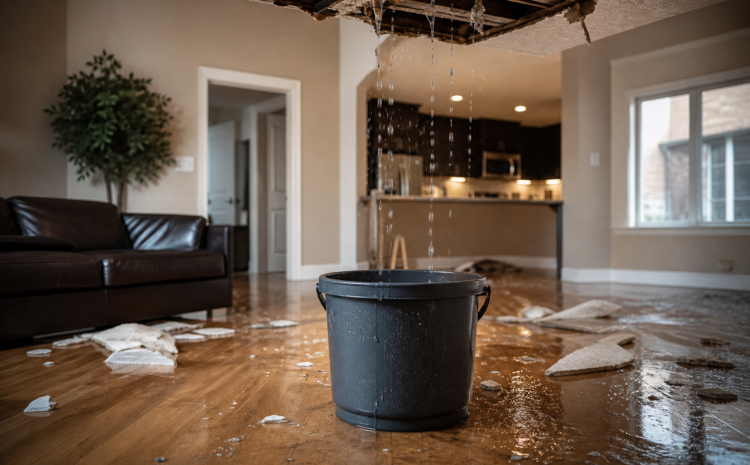
Water claims are time-sensitive. Swift shut-off and extraction, followed by drying and moisture checks, help reduce secondary issues. Photograph the source area, affected materials, and the drying setup. Track equipment rental and daily readings if used.
Storm and impact damage
High winds, hail, or falling objects can cause scattered damage that’s easy to overlook. After making the area safe, perform a systematic inspection: roof, flashing, soffits, windows, cladding, decks, fences, sheds, and interior ceilings/walls. Note any water ingress.
Communication and timelines
Clear, dated communication keeps momentum. Establish preferred channels early (email or portal) and keep messages concise with numbered questions if needed.
- Confirm milestones: claim number, assigned adjuster, inspection date, scope agreement, approvals, repair start, and estimated completion.
- Send organized updates: batch photos and documents rather than piecemeal messages, labelling files consistently.
- Summarize calls: after phone discussions, send a short recap email noting agreements and outstanding items.
Post-settlement housekeeping
Once repairs are complete and the claim is closed, finalize your records so the next event—if it ever happens—starts from a clean slate.
- Retain final invoices, permits, inspection results, and completion photos.
- Update your property baseline file to reflect the new condition.
- Review your policy needs: confirm limits, deductibles, and endorsements still fit the property’s features and rental profile.
- Document any changes to tenant occupancy, rent amounts, or furnishings that affect future claims documentation.
Frequently asked questions
How fast should I notify my insurer after discovering damage?
Notify your insurer as soon as reasonably possible after ensuring safety and performing urgent mitigation. Many policies require prompt notice, and early reporting helps protect your position and speeds up inspection and approvals.
Can I start repairs before the adjuster visits?
Make emergency repairs necessary to prevent further damage or address safety concerns, and document them thoroughly. For non-urgent permanent repairs, align with your insurer or adjuster first, and retain estimates and invoices.
What documents help most with a landlord insurance claim?
Clear photos and videos, a concise incident summary, maintenance logs, leases and rent records (if income loss is involved), detailed estimates, and itemized invoices. Organize everything in a single folder with consistent file names and dates.
How does the deductible work?
The deductible is the amount you are responsible for on an insured loss, applied according to your policy’s terms. Ask your insurer how it applies in your situation, especially if multiple areas were affected or if special deductibles exist for certain perils.