

What is home insurance water damage and why does it matter?
When homeowners ask about home insurance water damage they want a simple, reliable definition and to know whether a sudden leak or a neighbourhood flood will be paid by their insurer. Insurers treat water damage as loss caused by liquid where the cause, the pace of the loss, and the point of origin are central to whether a claim will be accepted. The distinction between sudden, accidental events that start inside the home and water entering from outside is central to coverage and premium decisions.
Definition: what insurers mean by home insurance water damage
Most standard home policies cover water damage that is sudden and accidental, for example a burst pipe, an appliance overflow, or a rapid plumbing failure that causes water to spread quickly and cause visible damage. Conversely, water that comes into the home from outside, such as overland flooding or rising groundwater, is usually not included in a basic policy. The Government of Canada recommends reviewing your policy wording and speaking with a licensed agent or registered broker to understand the specific language and limits in your contract. For official guidance, see the federal overview of home insurance and exclusions.
Common water damage events that are typically covered
While every policy is different, these causes are commonly treated as covered when they are sudden and accidental:
- Burst pipes inside the building that fail without long term neglect.
- Sudden plumbing failure, for example a failed connector or joint that causes immediate leakage.
- Appliance overflow from a washing machine or dishwasher that starts abruptly.
- Water discharged by a protective device such as an activated sprinkler system.
When you read your policy, look for terms like “sudden and accidental” or specific named perils that include burst pipes or accidental discharge. Coverage for repairs to the damaged property and contents will depend on limits, deductibles, and any sublimits for water events.
Common exclusions: overland flooding, gradual seepage, and other denials
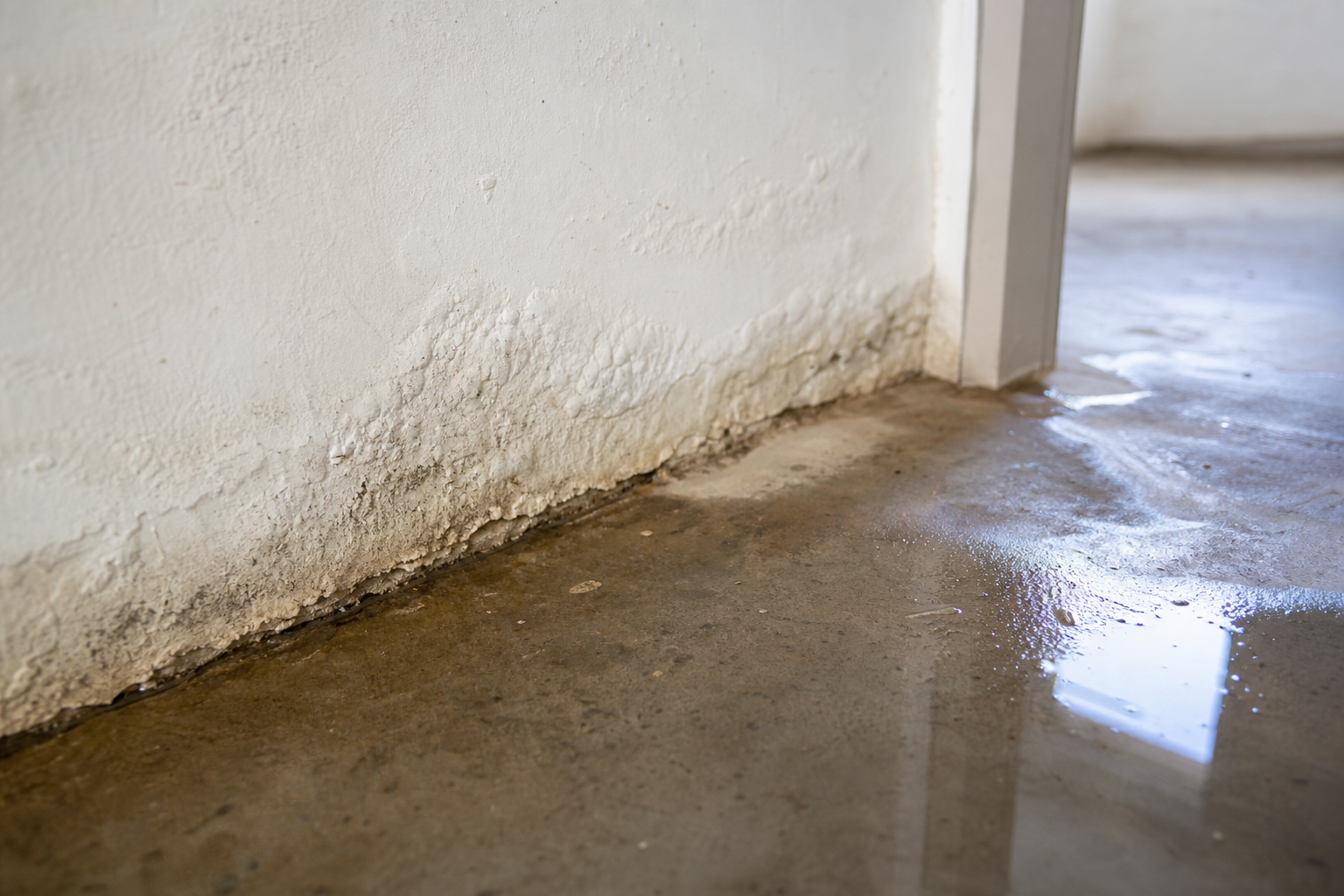
Insurers commonly exclude certain water events from a standard homeowner policy. The most frequent exclusions in Canada are events that originate outside the building footprint and slow, long term deterioration. The federal guidance notes that flooding and certain other unexpected events are usually not covered and that you may need to buy extra protection. Typical exclusions include:
- Overland flooding, meaning water that flows into the home from heavy rain, rivers, or melting snow and collects around the foundation.
- Rising groundwater or water entering from outside the structure.
- Gradual seepage and long term dampness caused by poor maintenance, failing seals, or condensation over months or years.
- Damage caused by poor upkeep such as frozen pipes due to inadequate heat or failure to repair known leaks.
Because exclusions are common, many homeowners in flood prone areas add optional endorsements to their policies. The Government of Canada explains how overland flood and other unexpected events are treated and when extra coverage may be needed. See the federal resource on insurance for unexpected events and disasters for details.
Optional endorsements and extra coverages to consider in Ontario
If you live in an area with known flood risk, or if sewer backups or sump pump failures worry you, consider these common add on options. Availability and wording vary by insurer and by neighbourhood, so always confirm with a licensed broker.
- Overland flood insurance, sometimes called enhanced water damage coverage, extends protection to water that comes from outside the building. This is often rated separately and priced according to local flood risk, so a broker can help compare options.
- Sewer backup endorsement covers damage resulting from a backed up sewer or a failed municipal connection. This can be sold as a limited endorsement with its own deductible.
- Sump pump failure coverage protects against water entry when a sump pump stops working during heavy rain or power outages.
- Expanded contents coverage or increased limits for water damaged belongings when replacement cost protection is important.
To explore options and how they affect price, compare quotes from multiple insurers through a brokerage that works with several carriers. For local guidance about cost choices in Ontario, review the Chase Insurance Brokers article Cheaper Home Coverage in Ontario: Protect Your House in 2026 or visit the Chase Insurance Brokers website to request a quote.
How insurers assess flood and water risk and how that affects premiums
Insurers price optional water coverage by combining several risk factors. Key elements include whether your property sits in a known floodplain, the age and construction of the building, the elevation of living spaces and mechanical systems, and your claims history. Where overland flood risk is high, some insurers may offer limited coverage only or may exclude overland flood entirely. Because these risk assessments vary across companies, a broker who can place business with multiple Canadian insurers may find more competitive or broader options for your address.
Practical checklist: how to check your policy, document water damage, and report a claim
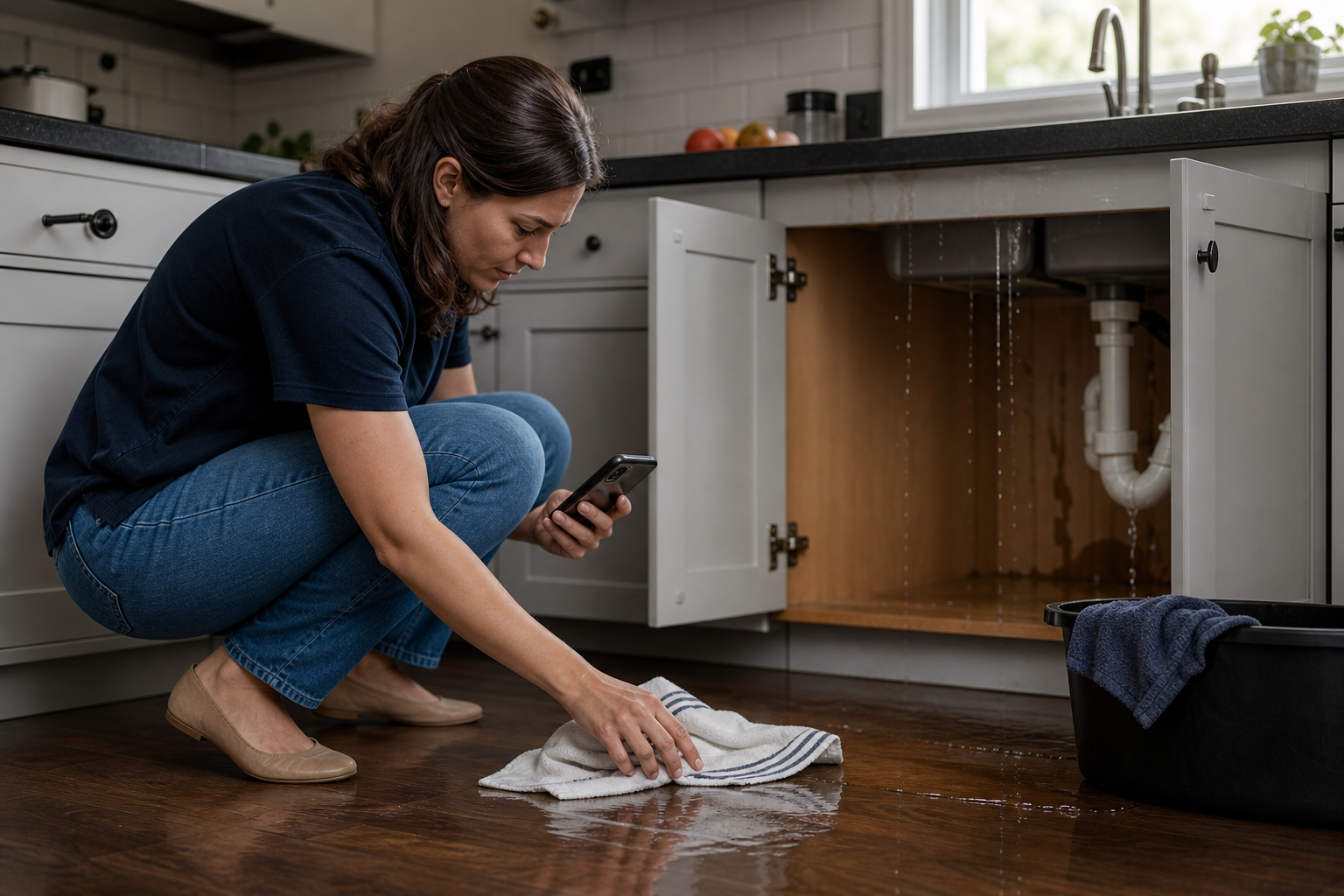
Use this checklist to review coverage and, if needed, prepare a claim.
- Read your policy schedule and declarations for named perils and endorsements. Note water related endorsements and the deductible amounts.
- Look for key terms such as “overland flood”, “sewer backup”, “sudden and accidental”, and any sublimits that apply to water losses.
- Document damage immediately with photos, video, and dated notes. Preserve damaged items for inspection unless the insurer advises otherwise.
- Take reasonable steps to prevent further loss, for example shut off the water source, use tarps, or extract standing water if it is safe to do so. Keep receipts for temporary repairs.
- Contact your insurer and your broker as soon as possible to report the loss and start the claim process. A broker can help you interpret the policy wording and liaise with the insurer.
- Collect supporting documents such as purchase receipts, maintenance records, and contractor estimates for repair or restoration work.
If you are preparing in advance, the federal home insurance guidance offers a useful overview of what standard policies tend to cover and exclude. See Home insurance on Canada.ca for a clear explanation.
Decision criteria and common objections: when to buy extra cover and when to rely on a standard policy
Ask these specific questions to decide whether an endorsement is worth the cost:
- Has your neighbourhood experienced overland flooding or sewer backups in the past decade?
- Is your finished living area below grade or is key equipment such as furnaces or electrical panels in a basement?
- Would repair and replacement costs for your home and contents exceed your ability to pay out of pocket if a flood occurred?
- Does your mortgage, condo board, or landlord require specific endorsements?
Common objections include the perception that the extra coverage is too expensive or that “it will not happen to me.” A balanced decision weighs local risk and replacement cost against premium increases. A local broker who compares multiple insurers can show which companies offer competitive pricing or broader wording for the same protection.
If you disagree with a claim decision: complaint options and who to contact in Canada
If an insurer denies your claim, follow the insurer complaint process first. If the dispute is not resolved, the federal guidance explains you can turn to ombud services and other dispute resolution resources. For official steps and contacts see How to file a complaint with your insurance company on Canada.ca.
Keep these records
- Copies of all claim correspondence and appeal letters.
- Independent estimates and photographic evidence.
- Receipts for emergency repairs and professional assessments.
Frequently asked questions
Does standard home insurance cover flood water that comes from outside my house?
Usually not. Standard home policies typically exclude overland flooding and water that enters from outside the building. You may be able to buy separate overland flood or enhanced water damage coverage to protect against this risk. For an official summary of common exclusions and available add ons, consult the federal guidance on unexpected events and disasters.
Is sewer backup or sump pump failure usually covered under home insurance in Ontario?
Sewer backup and sump pump failure are often excluded from a basic policy but are commonly available as endorsements. These endorsements have their own limits and deductibles. Speak with a broker to see which insurers offer the endorsement that matches your local sewer infrastructure and basement exposure.
How can I tell if my policy includes overland flood insurance or an enhanced water damage endorsement?
Open your policy declarations and look for endorsements named “overland flood”, “enhanced water damage”, or similar. If you do not see those phrases, contact your insurer or broker to request written confirmation and a copy of the endorsement wording.
What should I do first if water damages my home and I need to file a claim?
Ensure safety first, stop the source of water if possible, document the damage with photos and receipts, make temporary repairs to prevent further loss, and call your insurer to report the claim. Contact your broker for help interpreting the policy and coordinating with the insurer.
When is it worth contacting a broker to compare water damage coverage options?
If you live in a low lying area, have a history of municipal backups nearby, have a finished basement, or face high replacement costs for contents, it is worth contacting a broker to compare endorsements and pricing from multiple insurers. A broker can also advise whether different carriers offer broader wording or better pricing for the same protection.
If you would like to compare options or request a tailored quote, Chase Insurance Brokers Ltd. serves homeowners across Ontario and can obtain multiple insurer quotes for home water endorsements and standard coverage. For details, review the Chase article linked above or visit the Chase website to request a quote.
Key government resources: see the federal overview of home insurance and the federal guidance on unexpected events and disasters for consumers, plus the complaint process summary on how to file a complaint.
Final question: have you checked your policy declarations for water endorsements and confirmed whether overland flood or sewer backup protection is included?