
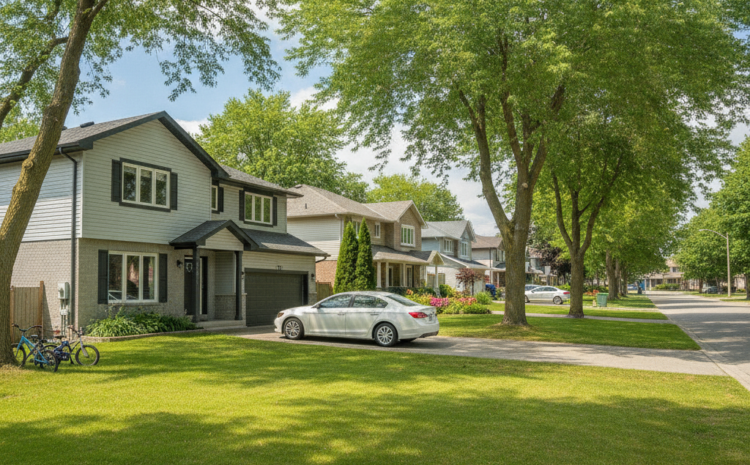
Best Car and Home Insurance: Find the Right Fit in 2026
Car and home insurance is the practice of protecting your vehicle and residence with coordinated policies—often bundled—to streamline coverage and claims. In Ontario, bundling through a Whitby-based broker can simplify renewals, align deductibles, and reduce gaps. It matters because one advisor can coordinate liability, property, and accident benefits in one plan.
By NEIL THAKKAR — Chase Insurance Brokers Ltd.
Last updated: 2026-07-03
Summary
Bundling car and home insurance means managing auto and property coverage together—usually with one insurer—so deductibles, claims handling, and renewals align. In Ontario, a broker in Whitby can compare multiple carriers, tailor limits and endorsements, and help you streamline documents, payments, and coverage in one coordinated plan.
This complete guide shows how to combine auto and home coverage for clearer protection and smoother claims—in plain language.
- What “car and home insurance” actually includes in Ontario
- How bundling works with a Whitby broker and why it matters
- Endorsements, water protection, liability basics, and deductibles
- When to bundle vs. keep policies separate (comparison table)
- Practical steps, tools, and real Ontario examples

What is car and home insurance?
Car and home insurance refers to two coordinated policies—auto and property—often bundled with one insurer to align deductibles, claims handling, and renewals. In Ontario, this pairing covers your vehicle, dwelling, contents, and personal liability under one coordinated strategy managed by your broker.
When we say “car and home insurance,” we’re talking about a coordinated approach to your two largest personal risks: vehicles and residences. The goal is seamless protection and simpler decisions.
- Car (Auto) policy: Liability, accident benefits, direct compensation for property damage (DCPD), comprehensive, collision, and optional endorsements under Ontario’s standard auto policy (OAP 1).
- Home policy: Dwelling, other structures, personal property, additional living expenses, and personal liability, with optional water and equipment coverage.
- Bundling benefit: One advisor to line up renewal dates, make endorsements match your lifestyle, and avoid gaps between policies.
For Ontario households, the bundled view helps you decide limits and deductibles together rather than in silos. That way, a single claim doesn’t create surprises across policies.
Why bundling matters in Ontario
Bundling in Ontario streamlines claims, aligns deductibles, and can unlock value. With one Whitby-based broker comparing multiple insurers, you get coordinated advice on liability, water protection, and accident benefits—so your coverage decisions work together, not against each other.
Here’s the thing: big moments rarely stay in one lane. A storm that damages your roof can also impact your vehicle. Coordinated protection makes recovery simpler.
- One plan, fewer gaps: Align home liability with your auto liability to create a clearer safety net.
- Smoother claims: One broker point of contact helps you document losses and coordinate timelines.
- Aligned deductibles: Choose deductibles that fit your risk tolerance across both policies.
- Value focus: Chase Insurance Brokers promotes potential savings of up to 30% across core lines, alongside tailored coverage and quick support.
In our experience working with Ontario families, consolidated decisions reduce confusion at renewal and speed up action when you need help most.
How bundling works with a Whitby broker
A Whitby broker compares multiple insurers, reviews your vehicles and property, and designs a coordinated bundle with matched deductibles, aligned limits, and targeted endorsements. You get clear options, help with documents, and a single contact for changes and claims support.
At Chase Insurance Brokers, we organize your information once, then shop it across partner carriers like Aviva, Intact, Economical, Echelon, Jevco, and Premier. You see options side by side.
- Discovery: Vehicles, drivers, property details, prior claims, and lifestyle needs.
- Market scan: Compare carriers for eligibility, underwriting fit, and coverage breadth.
- Bundle design: Recommend limits, deductibles, and endorsements that align.
- Implementation: E-docs, renewal alignment, and broker-of-record support.
- Service & claims: Changes, certificates, and claims guidance when incidents occur.
Local considerations for Whitby
- Plan for wind and water: elevated spring runoffs and summer storms can stress roofs and sumps; review sewer backup and overland water options.
- Timing matters: schedule quick coverage reviews after community events near Whitby Public Library – Central Library or during back-to-school traffic peaks.
- Parking habits: if you often park near Lynde House Museum or busy town centers, confirm your comprehensive coverage and glass protection align with local exposure.
We anchor recommendations to how and where you live. Small details—like driveway slope or commuting routes—inform which endorsements add real value.
Bundle options and coverage choices
A strong bundle pairs Ontario’s OAP 1 auto coverages with a home policy that matches your dwelling, contents, and liability needs. Tailor with endorsements—like accident forgiveness, rental car, sewer backup, and overland water—to reflect how you drive and live in Whitby.
Auto: Ontario OAP 1 building blocks
- Third-party liability: Protects against claims if you injure others or damage property while driving.
- Accident Benefits: Medical, rehab, and income replacement essentials after a covered accident.
- DCPD (Direct Compensation – Property Damage): Pays for vehicle damage when you’re not at fault, according to Ontario rules.
- Comprehensive & Collision: Non-collision perils (theft, weather, glass) and collision/rollover protection.
- Endorsements (OPCF): Accident forgiveness, non-owned auto (rental car), and depreciation waivers for newer vehicles.
Home: property and liability foundations
- Dwelling and other structures: Rebuild and repair scope for your primary residence and detached structures.
- Personal property: Contents protection; schedule high-value items (jewelry, bikes, instruments) as needed.
- Additional living expenses: Helps with temporary accommodations after covered losses.
- Personal liability: Protects you if someone is injured on your property or you accidentally damage another’s property.
Water and equipment options
- Sewer backup and overland water: Consider both; storms and freeze–thaw cycles can overwhelm systems.
- Water service line: Adds protection for buried lines on your property.
- Equipment breakdown: Extends to major home systems like HVAC and appliances.
Not every rider fits every home. We help tailor choices to property age, local terrain, and your appetite for risk, then align deductibles across home and auto so surprises don’t stack up.
Bundled vs. separate: comparison
Bundled policies centralize advice and documents, align deductibles, and may unlock added value. Separate policies can work when one risk is atypical or placed in a specialty market. The right choice depends on eligibility, underwriting fit, and lifestyle.
| Decision Factor | Bundled with One Insurer | Separate with Different Insurers |
|---|---|---|
| Advice & service | One broker route and unified plan | Still one broker, but policies run on different portals |
| Claims coordination | Streamlined across home/auto timelines | Two carriers; broker coordinates between adjusters |
| Deductible strategy | Aligned amounts, fewer surprises | Different deductibles; manage separately |
| Underwriting fit | Works well for standard risks | Useful if one risk is unique or specialized |
| Document management | Consolidated e-docs and renewal dates | Multiple portals and renewal calendars |
We’ll review scenarios with you. If your vehicle needs specialty terms or your home requires unique endorsements, we can pair the best-fit markets—even if that means separate placements—to preserve coverage quality.
Best practices
Build your bundle around risk, not just renewals. Align liability first, match deductibles to reserves, add water protection thoughtfully, and review changes annually with a broker who can shop multiple insurers and document adjustments clearly.
- Start with liability: Home and auto liability should complement each other to form your core safety net.
- Set intentional deductibles: Choose amounts you can actually manage during a claim; align across policies.
- Water coverage first: Sewer backup and overland options protect against common loss drivers.
- Inventory and appraisals: Photograph rooms and schedule high-value items to avoid valuation gaps.
- Annual review: Renovations, new drivers, and commuting changes demand a check-in and recalibration.
- Document everything: Keep e-docs together and note effective dates to prevent confusion.
When we conduct annual reviews, we align life changes with policy mechanics. For example, finishing a basement often triggers a fresh look at water protection and contents limits.
Tools and resources
Use a broker-run checklist, an online quote intake, and clear comparison summaries to select limits and endorsements. Keep digital copies of policies together and set reminders 30 days before renewal for a quick review with your advisor.
These practical resources can speed decisions and reduce friction:
- Start with our home insurance checklist to capture property details that influence coverage.
- Explore options with our auto and home insurance overview for coordinated planning.
- When you’re ready, use our bundle smart quotes to organize information once and compare carriers.
- Comparing homes? See our compare home coverage guidance to frame key differences.
- Renting a suite while you own a car? Review auto and tenant options to align liability across both policies.
Free coordination consult: If you want a second look at your limits, endorsements, and deductibles, book a quick call. We’ll map what you have, what’s missing, and where a bundle can simplify life.
For projects that involve contractors, ensure they carry proper coverage. This simple step supports fewer disputes and cleaner claim outcomes; here’s a general resource on the topic of insured contractors: insured contractors guidance.
Case studies and local examples
Real Ontario scenarios show how aligned home and auto decisions reduce friction. When storms, collisions, or renovations complicate risk, a coordinated plan with one Whitby broker keeps claims on track and coverage decisions consistent.
We’ve found that examples make the mechanics concrete. Consider these anonymized, Ontario-based scenarios we encounter often.
- Windstorm + glass claim: A Whitby family experienced roof damage and a shattered windshield during the same storm. Aligned deductibles and one claims route removed guesswork. The family used our auto and home insurance framework to confirm timelines and next steps.
- Finished basement + water risk: After renovating, a homeowner near downtown scheduled a review. We added sewer backup and overland water, documented sump maintenance, and adjusted contents limits. The homeowner later used our home insurance checklist during renewal.
- New driver + commuting shift: A household added a G2 driver and changed commuting routes. We refreshed accident benefits and explored an endorsement for a rental car. Coordinated decisions prevented duplications across policies.
Operationally, fewer portals and a unified renewal calendar make it easier to act quickly when something changes—new vehicle, new job, or new renovation.

Moving can also introduce risk—contents in transit, storage periods, and different parking exposure. For general move-planning that touches on insurance coordination, see this overview: move and insurance overview.
Frequently asked questions
Most families ask how bundling affects claims, deductibles, liability, and renewals. The short answer: coordinated policies reduce friction and align decisions. A Whitby broker compares carriers, documents endorsements, and helps you choose limits that match daily life.
What does car and home insurance bundling actually cover?
Your auto policy covers liability, accident benefits, and vehicle damage (comprehensive/collision), while your home policy covers the dwelling, contents, additional living expenses, and personal liability. Bundling coordinates deductibles, endorsements, and renewals so decisions work together.
When would separate policies make more sense than a bundle?
If one risk needs specialty terms—such as a unique home feature or a vehicle with custom use—placing that policy with a different insurer can maintain coverage quality. Your broker can still coordinate both, even if they sit with different carriers.
How often should I review my bundle?
Complete a quick review at least annually, and anytime you renovate, add a driver, change commutes, or purchase high‑value items. Aligning deductibles and endorsements with life changes helps prevent gaps and claims friction.
Do I need extra water coverage in Whitby?
Many Ontario homes benefit from sewer backup and overland water options due to heavy rains and freeze–thaw cycles. Ask your broker to assess property age, drainage, and basement finishes to decide which options make sense for you.
Key takeaways
Treat car and home protection as one plan. Align liability, match deductibles, select water endorsements intentionally, and use a Whitby broker to compare markets and simplify service. Fewer portals, clearer documents, and one contact help claims move faster.
- One coordinated plan reduces friction across claims and renewals.
- Liability and deductibles work best when they’re aligned together.
- Water protection is a must‑consider for many Ontario homes.
- Annual reviews capture life changes before they become coverage gaps.
- A Whitby broker compares multiple carriers to fit your situation.
Conclusion and next steps
The best car and home insurance plan is the one that fits your life. Coordinate limits, match deductibles, and choose endorsements that reflect how you live in Whitby. A local broker simplifies the process and helps you act with confidence.
Ready for a second look at your coverage?
- Gather your existing policies and any renovation or vehicle updates.
- Skim our auto and home insurance overview and home insurance checklist.
- Start a coordinated intake with our bundle smart quotes form—one organized submission, multiple options.
Prefer an in‑person chat in Whitby? Let’s map your plan and align the details so you can move forward with clarity.