

Home Insurance Costs: Easy Ways to Save in 2026
Home insurance cost is the premium you pay to protect your home, belongings, and liability. In Whitby and across Ontario, rates reflect your coverage choices and risk profile. Working with Chase Insurance Brokers in Whitby lets you compare options from multiple insurers so you can align protection with your budget—without sacrificing essentials.
By NEIL THAKKAR — Chase Insurance Brokers Ltd.
Last updated: 2026-05-22
At a Glance: What Drives Home Insurance Costs
Home insurance costs are driven by rebuild value, location risk, coverage type, deductibles, claims history, and home features. Insurers also weigh water protection, alarms, and upgrades. Bundling home and auto, raising deductibles, and proactive maintenance often help lower premiums while keeping core protections intact.
Here’s a quick snapshot of the major levers that influence home insurance cost and the steps you can take this week to optimize your policy.
- Home characteristics: Rebuild value, year built, roof, wiring, and plumbing.
- Location factors: Fire protection, theft trends, and water exposure.
- Coverage design: Limits, endorsements, and deductible selection.
- Behavioral signals: Claims history and prior insurance continuity.
- Discount enablers: Monitored alarms, backwater valves, sump pumps, and bundling.
What Is Home Insurance Cost?
Home insurance cost is the ongoing premium you pay for coverage that protects your dwelling, personal property, and personal liability. The price reflects your home’s rebuild value, risk factors, and policy choices. A broker helps tailor limits and endorsements so you don’t overpay for coverage you don’t need.
Think of your premium as the “subscription” that keeps major risks off your balance sheet. Your home insurance cost aligns to how much it could take to rebuild your home, how likely losses are, and the protections you choose.
- Dwelling coverage: Set to the reconstruction cost, not market price.
- Contents coverage: Typically a percentage of dwelling coverage, adjustable by need.
- Liability coverage: Protects you if someone is injured or you cause property damage.
- Additional living expenses: Pays for temporary housing if your home is uninhabitable after a covered loss.
- Endorsements: Water damage extensions, sewer backup, and high-value item riders.
As an Ontario brokerage, Chase Insurance Brokers matches you with carriers like Aviva, Intact, and Economical and calibrates coverage to your home, whether you’re in Whitby, the GTA, or elsewhere in the province.
Why Home Insurance Cost Matters
Right-sizing home insurance cost ensures you pay for meaningful protection, not extras you won’t use. Aligning limits to rebuild value, adding water coverage wisely, and capturing discounts help manage premiums while safeguarding your largest asset and your family’s stability.
The goal isn’t the lowest sticker—it’s value. Underinsure and you face painful out-of-pocket gaps after a loss. Overinsure and you pay for coverage you won’t recover because payouts are based on actual repair or replacement needs.
- Protect your equity: Adequate dwelling limits support full repairs after a covered loss.
- Preserve daily life: Additional living expenses keep life moving during repairs.
- Guard your savings: Personal liability shields against injury or damage claims.
- Plan for water risk: Sewer backup or overland water add-ons can be critical in Ontario.
- Avoid false savings: Skipping endorsements can shift big risks back to you.
In our experience advising Ontario families, policies designed around how you actually live—pets, hobbies, work-from-home needs—perform better when life gets messy.
How Home Insurance Pricing Works
Insurers estimate expected losses for homes like yours, then adjust for your specific features and coverage choices. They apply credits for risk controls and surcharges for exposures. A broker shops this model across multiple carriers to find a competitive fit for your profile.
Behind the scenes, carriers weigh a broad data set about your home, then fine-tune quoting based on the protections you select.
- Risk modeling: Fire protection class, theft trends, and local weather patterns feed the baseline.
- Home profile: Roof age, wiring/plumbing type, heating, and foundation details matter.
- Coverage structure: Replacement Cost vs. Actual Cash Value, water endorsements, and special limits.
- Deductible choice: Higher deductibles typically reduce premiums but increase out-of-pocket at claim time.
- Behavioral history: Claim-free years and insurance continuity often earn credits.
Want the mechanics broken down further? Our coverage explainer for Ontario homes walks through typical inclusions, limits, and exclusions so you can decide what you need before comparing carriers.
Types of Coverage That Shape Cost
Your premium reflects which coverage types you choose and how they’re set. Replacement Cost, comprehensive perils, water endorsements, and higher liability limits enhance protection and usually raise premiums; higher deductibles and limited perils coverage can lower them but shift more risk to you.
These common design choices have the biggest influence on the balance between protection and price.
Core choices
- Replacement Cost (RC): Pays to repair or rebuild with new materials of like kind and quality.
- Actual Cash Value (ACV): RC minus depreciation; lower premiums, lower payouts.
- Comprehensive (“all-risk”): Broad protection except listed exclusions.
- Named perils: Covers only causes specifically listed; narrower, often cheaper.
- Water endorsements: Sewer backup, overland water, and ground water options.
Special limits and riders
- High-value items: Jewelry, bikes, collectibles, instruments—often need scheduling.
- Home-based business: Endorsements for equipment or stock if you work from home.
- Short-term rental: Added conditions or endorsements for hosting guests.
To turn options into a policy you understand, download our internal Ontario home insurance checklist and use it while you compare quotes with our team.
Comparison: Common Policy Designs and Premium Impact
Comprehensive coverage with Replacement Cost and water endorsements generally increases premiums but provides broader payouts. Named perils with ACV may cost less but narrows protection. Use a higher deductible to offset richer coverage if you have a healthy emergency fund.
| Design Choice | What It Means | Typical Premium Effect | Best For |
|---|---|---|---|
| Replacement Cost (RC) | Pays new-for-old on covered losses | Higher than ACV | Most homeowners prioritizing full recovery |
| Actual Cash Value (ACV) | Depreciated payouts | Lower than RC | Budget-focused buyers with older property |
| Comprehensive (All-Risk) | Broad protection except exclusions | Higher than Named Perils | Owners seeking fewer coverage gaps |
| Named Perils | Only listed causes covered | Lower than Comprehensive | Basic protection with risk tolerance |
| Water Endorsements | Adds sewer backup or overland water | Increase from base | Homes with water exposure |
| Higher Deductible | You self-insure small claims | Decreases premium | Those with emergency savings |
Not sure which blend makes sense? Our Ontario home insurance broker guide outlines how we compare quotes across carriers for transparent, side-by-side decisions.
Best Practices to Reduce Your Premium (Without Cutting Protection)
Lower home insurance cost by bundling policies, increasing deductibles prudently, modernizing roof and plumbing, installing monitored alarms, and adding water safeguards. Avoid small claims, document upgrades, and review coverage annually with a broker who can remarket your policy when life changes.
High-impact actions
- Bundle home and auto: Combine with your car policy. See our Ontario auto savings guide.
- Choose a higher deductible: Trade small-claim risk for lower premiums if you have savings.
- Modernize systems: Update old roofs, aluminum wiring, or poly-b piping.
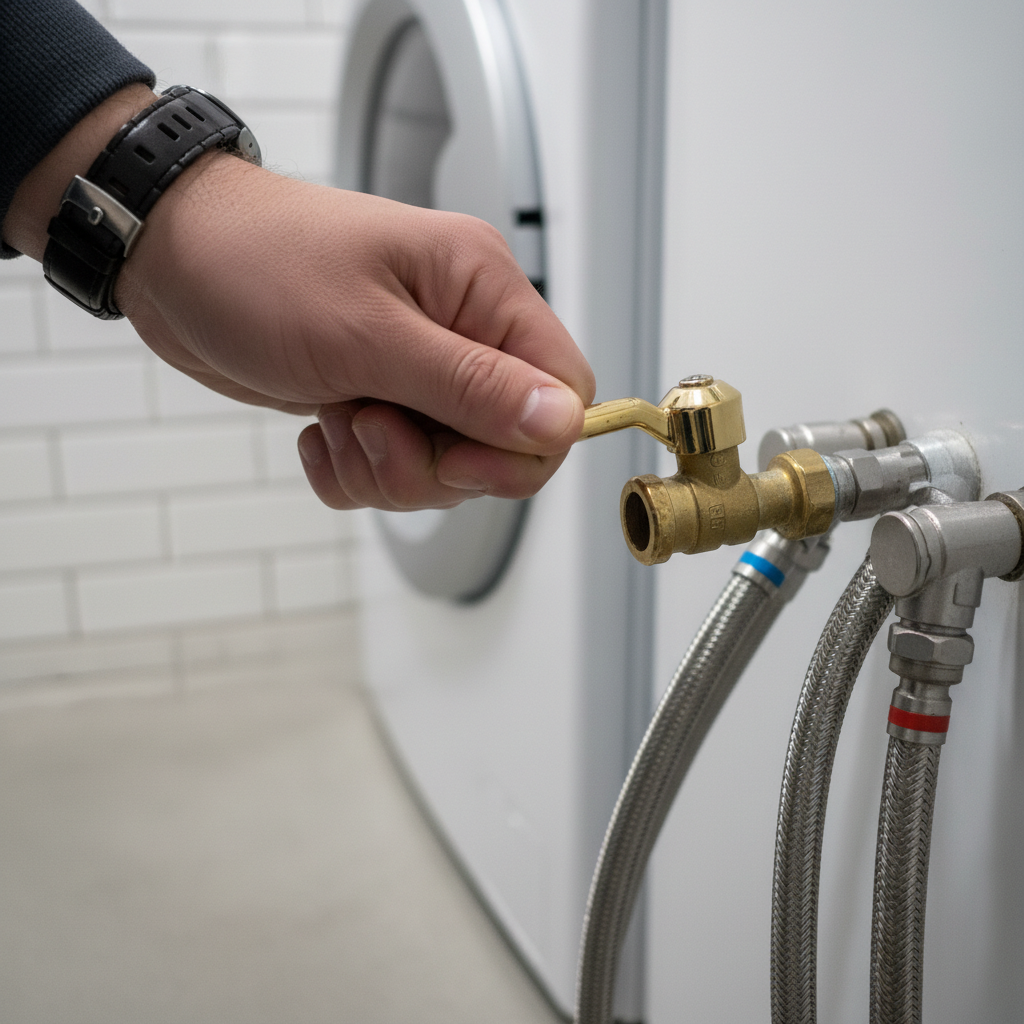
- Mitigate water: Install a backwater valve, sump pump with battery backup, and leak sensors.
- Monitored security: Central-station fire and burglary alarms are often rewarded.
Smart policy habits
- Avoid minor claims: Self-pay small fixes to preserve claim-free status when sensible.
- Inventory your contents: Keep a photo/video log and receipts for faster, fuller settlements.
- Annual review: Reassess limits after renovations or major purchases.
- Remarket strategically: Ask us to shop your renewal when your profile improves.
We summarize easy discount wins in our resource on home insurance discounts and bundling. Use it alongside your latest renewal to spot missed credits.
Local considerations for Whitby
- Prioritize water protection during spring thaw and heavy summer rain; test sump pumps and confirm sewer backup coverage.
- Schedule policy reviews before peak moving season when insurer service queues can lengthen across the GTA.
- Document any energy-efficiency or safety upgrades—local underwriters often credit risk-reducing improvements.
Tools and Resources for Ontario Homeowners
Use a structured checklist, a home inventory, and a broker-led quote comparison to optimize coverage. These tools help you set the right limits, choose endorsements confidently, and capture available discounts without guesswork or gaps.
- Ontario checklist: Our complete home insurance checklist keeps quotes apples-to-apples.
- Coverage explainer: Learn inclusions and exclusions in our what’s covered guide.
- Inventory template: Walk room-to-room and record serial numbers, photos, and receipts.
- Broker comparison: We place your profile with multiple carriers to uncover strong fits.
Remember: market value and rebuild value aren’t the same. Real estate sites discuss market price drivers; we focus your policy on reconstruction needs to avoid shortfalls at claim time. See how valuations differ in this Ontario home value overview for context.

Pricing Without Numbers: What to Evaluate in Every Quote
Compare quotes by confirming rebuild value, reviewing water coverage scope, checking special limits, aligning deductibles to your savings, and verifying discounts. Price alone misleads; structure and fine print determine real-world protection and claim outcomes.
- Rebuild value: Is the dwelling limit set to current reconstruction needs?
- Water coverage: Do you have sewer backup and overland water where available?
- Special limits: Are jewelry, bikes, and tools adequately scheduled?
- Deductibles: Are you comfortable self-insuring small losses?
- Discounts: Are alarms, upgrades, and bundling properly credited?
For a deeper walkthrough, review our plain-language Ontario coverage guide and then request side-by-side comparisons from our advisors.
Case Insights: How Design Choices Change Outcomes
Real Ontario scenarios show that water endorsements, proper rebuild limits, and documented upgrades can prevent major out-of-pocket costs. Small design tweaks—like raising deductibles and adding monitored alarms—often reduce premiums while preserving the protections that matter most.
Whitby semi-detached, finished basement
- Issue: Heavy rain overwhelmed sewers.
- Design choice: Sewer backup endorsement with sump pump and backwater valve credit.
- Outcome: Damaged flooring and contents covered; temporary housing supported.
GTA detached home, kitchen upgrade
- Issue: Burst supply line after a renovation.
- Design choice: Replacement Cost with modernized plumbing and leak sensors.
- Outcome: Faster claim handling with receipts and inventory on file.
Condo owner, high-value bike
- Issue: Theft from condo storage.
- Design choice: Scheduled bike rider above standard special limits.
- Outcome: Smooth replacement due to clear documentation and rider.
Industry directories list many broker options; the right partner explains why choices matter and does the legwork. See an example of a broker listing format here to understand how firms are presented in directories like this one.
Step-by-Step: How We Help You Compare Quotes
We profile your home, set right-sized limits, confirm water coverage, and shop multiple insurers. Then we present a side-by-side summary highlighting protections, deductibles, endorsements, and discount opportunities so you can decide confidently.
- Discovery: Quick intake on your home, contents, and risk controls.
- Coverage design: Align limits to rebuild value and lifestyle.
- Market access: Quote across partner insurers for eligibility and credits.
- Side-by-side review: We highlight differences that actually affect claims.
- Bind and onboard: E-docs, proof of insurance, and reminder setup.
- Annual tune-up: Review endorsements and remarket when it helps.
If you’re new to homeownership, legal and closing items can feel overwhelming. For a primer on typical closing items in Ontario, this overview of closing costs shows how purchase expenses differ from insurance decisions.
Summary
To manage home insurance cost, focus on rebuild value, water protection, and discounts. Use higher deductibles prudently and bundle with auto when it makes sense. A Whitby-based broker like Chase centralizes quotes and clarifies fine print so you protect your home without paying for the wrong things.
- Confirm accurate reconstruction values and needed endorsements.
- Adopt risk controls that earn meaningful credits.
- Bundle home and auto for streamlined savings and service.
- Review coverage annually and avoid filing minor claims.
Frequently Asked Questions
These quick answers address common questions about home insurance cost and coverage in Ontario. They focus on structure and decisions, not pricing numbers, so you can compare quotes confidently with a broker’s help.
What affects home insurance cost the most?
Rebuild value, location risk, coverage type, water endorsements, and your deductible are major drivers. Home features like roof age and plumbing type matter, too. Claim history and multi-policy bundling can also influence premiums.
How can I lower my premium without losing protection?
Bundle home and auto, raise deductibles prudently, install monitored alarms, and add water safeguards like backwater valves. Avoid small claims, document upgrades, and ask a broker to shop multiple insurers for credits you qualify for.
What’s the difference between market value and rebuild value?
Market value reflects what a buyer would pay for your home and land. Rebuild value estimates the cost to reconstruct the dwelling with current materials and labor. Insurance should be based on rebuild value to avoid shortfalls at claim time.
Do I need water coverage add-ons in Ontario?
Many Ontario homes benefit from sewer backup and, where available, overland water coverage due to severe rain and thaw cycles. A broker will assess local exposure and advise on limits and mitigation steps.
Key Takeaways
Design your policy around rebuild value and water risk, then capture credits through bundling, alarms, and maintenance. Review annually with a broker who can remarket when your profile improves. That’s how you control home insurance cost without weakening protection.
- Coverage structure determines claim outcomes more than sticker price.
- Water protection and documentation are Ontario must-haves.
- Use deductibles and bundling to balance budget and risk.
- Partner with a broker who explains trade-offs clearly.
Next Steps
Gather your home details, review our Ontario checklist, and request a broker comparison. We’ll clarify options across multiple insurers so you can choose smart coverage at a sustainable premium.
- Download our Ontario home insurance checklist.
- Skim our discounts and bundling tips.
- Ask us for a side-by-side comparison tailored to your home.
Ready to review your coverage? Let’s align protection and savings with a friendly consult from our Whitby-based team.


1 Comment
[…] Want to see how coverage tradeoffs influence your renewal? Explore our guide to why some homes pay less and how to save without cutting essentials. […]