
How to Make an Insurance Claim in Whitby: What to Do After a Loss
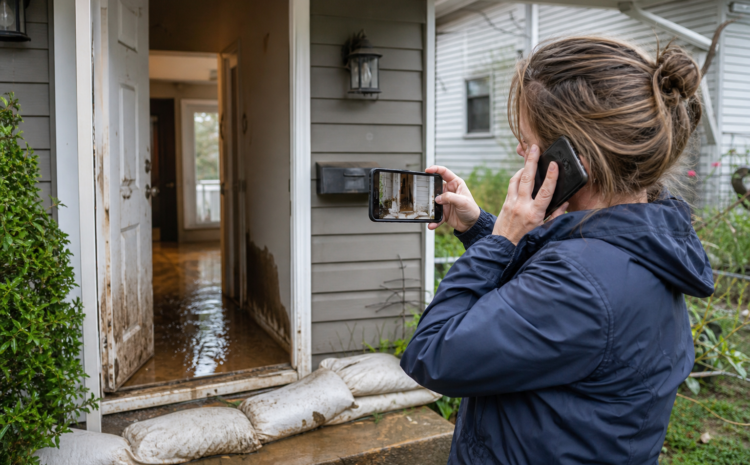
After an accident, theft, fire, water loss, or another insured event, focus on the sequence rather than trying to solve everything at once. Make people safe, prevent further damage only when it is safe, document what happened, notify the appropriate insurer or broker, and keep every related record.
The exact requirements depend on your policy and the type of loss. The steps below apply to common auto, home, tenant, rental-property, business, and travel situations in Whitby and across Ontario, but your policy wording controls coverage, deadlines, deductibles, and required forms.
Quick summary

- Call 911, fire services, police, or other emergency help when there is immediate danger, injury, fire, an unsafe structure, or suspected crime.
- Take reasonable steps to limit additional damage, but do not put yourself or others at risk.
- Photograph and record the loss before extensive cleanup, disposal, or repairs whenever conditions allow.
- Notify the insurer or broker promptly and check the policy for notice and proof-of-loss deadlines. Federal guidance says these limits vary and may commonly range from 90 days to 12 months.
- Keep a claim folder containing documents, receipts, estimates, reports, names, dates, and communications.
Step 1: Make people safe and stabilize the situation
Safety comes before insurance paperwork. If someone is injured, a fire is active, a building may be unsafe, a collision creates a traffic hazard, or a crime may still be in progress, contact the appropriate emergency service first. Do not enter a damaged structure or handle a suspected hazard simply to take photographs.
For a collision, move the vehicle only if it is safe and permitted to do so. Exchange information as appropriate, follow police or collision-reporting instructions, and note the location, time, vehicles involved, and visible damage. An emergency or police report is separate from notifying your insurer.
Step 2: Prevent further damage only when it is safe

Once immediate hazards are addressed, take reasonable temporary measures to reduce additional loss. Depending on the situation, this might include shutting off the water supply, placing a temporary cover over an opening, moving undamaged belongings away from a leak, or arranging emergency services.
Do not create a new risk or make major repairs before receiving instructions from the insurer or adjuster unless urgent circumstances require it. Keep receipts for reasonable emergency expenses, photograph the condition before and after temporary work, and avoid discarding damaged property until it has been documented and the insurer confirms what to do.
Step 3: Document the loss before cleanup or repairs
Take wide photographs showing the location and surrounding area, followed by close images of each damaged item or part of the property. Video can help show the extent of water, smoke, structural, vehicle, equipment, or inventory damage. Record the date, approximate time, location, suspected cause, and what you observed without guessing beyond the facts.
Gather receipts, invoices, repair estimates, ownership records, warranties, photographs from before the incident, witness details, police or incident report numbers, and messages with contractors, landlords, tenants, vendors, or the insurer. Keep originals where possible and submit clear copies or scans. A simple folder with numbered files makes it easier to connect each statement in your claim to supporting evidence.
Step 4: Notify the insurer or broker promptly
Use the claims telephone number or online reporting method shown in your policy documents, insurance card, or insurer portal. You can also contact your broker for guidance and coordination where appropriate. Contacting a broker does not necessarily replace any direct notice required by your policy, so confirm who must receive the report and when.
For a detailed insurance claim process in Ontario, follow the sequence from documenting damage and notifying the insurer through adjuster discussions, required forms, repairs, and file closure. Treat general checklists as preparation rather than a substitute for your policy instructions.
When you report the loss, have your policy number, named insured, incident date, location, a short factual description, and any immediate safety or mitigation details available. Ask for the claim number, the next required step, the assigned contact’s details, and instructions about inspections, repairs, temporary accommodation, or damaged property.
Claim preparation checklist
- Policy number, named insured, contact details, and affected property or vehicle information.
- Date, time, location, and a chronological description of what happened.
- Photographs, video, inventory lists, ownership evidence, and pre-loss images.
- Police, fire, collision, medical, property-management, or other relevant report details.
- Witness names and contact information, if available.
- Receipts for emergency measures, temporary accommodation, towing, storage, or other expenses.
- Repair estimates, contractor invoices, replacement costs, and records of damaged contents or equipment.
- A log of every call, email, appointment, instruction, submission, and follow-up.
Not every claim requires every item. Ask the insurer or adjuster which documents apply, and keep a copy of everything you submit.
Step 5: Check coverage, deductibles, exclusions, and deadlines
Review the declarations, endorsements, coverage limits, deductible, exclusions, and definitions that relate to the loss. Do not assume that a policy covers every cause of damage or every expense connected with an incident. Water damage, contents, temporary living costs, business interruption, and vehicle repairs can depend on policy wording and circumstances.
Contact an insurance agent, broker, or company as soon as possible and check the policy for its claim time limit. The Financial Consumer Agency of Canada’s claims guidance notes that submission limits vary by policy and commonly range from 90 days to 12 months after the loss or event. That range is not a universal deadline. Follow the more specific requirement in your own policy.
Who does what during a claim?
The policyholder reports the event, protects people and property where reasonably possible, provides accurate information, keeps records, and cooperates with reasonable requests. The insurer receives and assesses the claim under the policy. An adjuster may investigate the cause and extent of damage, request documents, explain the assessment, and coordinate decisions on repairs or settlement.
A broker can help explain policy information and may assist with communication or coordination, but the broker does not decide coverage or guarantee a settlement. Restoration companies, towing providers, contractors, and repairers carry out particular services. Ask before authorizing significant work and confirm whether the insurer requires an inspection, estimate, preferred process, or written approval.
How the process changes by claim type
| Claim type | What to prioritize | Records to keep |
|---|---|---|
| Auto | Safety, collision information, vehicle location, towing, and insurer instructions before repairs. | Photos, other-driver details, report information, towing receipts, and repair estimates. |
| Home | Stop the source of damage where safe, protect unaffected areas, and arrange inspection or restoration. | Photos, damaged contents list, emergency invoices, contractor details, and applicable accommodation expenses. |
| Tenant | Notify the landlord or property manager about building damage while reporting your own contents or liability concern to your insurer. | Contents evidence, receipts, communications, temporary living expenses, and unit information. |
| Rental property | Protect occupants, coordinate access, notify the property insurer, and distinguish building, contents, tenant, and lost-income issues. | Lease records, rent information, maintenance history, photographs, invoices, and communications. |
| Business | Protect people, secure the premises, preserve inventory and equipment evidence, and document operational disruption. | Invoices, inventory, payroll or sales records, repair estimates, supplier communications, and interruption-related expenses. |
Auto claims in Whitby and Ontario
After a collision, document the vehicles, road position, visible damage, signs, weather, and surrounding conditions only when it is safe. Notify your insurer using the required channel and follow instructions about towing, storage, inspections, repairs, and transportation.
Ontario has a specific process for certain vehicle damage caused by provincially maintained roads. If the provincial government may be responsible because a road was not maintained to a reasonable standard, the province says the claim must be submitted within 10 days of the incident. Review the Ontario damaged-vehicle claim requirements for that narrow situation. It does not replace promptly reporting the incident to your auto insurer.
Home, tenant, and rental-property claims
For water, fire, theft, vandalism, or other property loss, document both the damaged structure and contents. Notify the relevant parties: a tenant may need to tell the landlord about building damage, while a landlord may need to notify the property insurer and coordinate access. These responsibilities are not interchangeable, and each person should follow their own policy and agreement.
Keep receipts for emergency drying, boarding, storage, temporary accommodation, replacement necessities, or other measures. If a service provider offers direct billing, clarify what is being billed, to which insurer, and what remains your responsibility. For general background in another service context, see this explanation of direct billing for physiotherapy and rehabilitation services.
Business insurance claims
After making the premises safe, protect undamaged inventory, equipment, records, and data where possible. Photograph damaged property before moving or disposing of it, and keep a written log of closures, temporary locations, cancelled orders, extra expenses, and communications with employees, suppliers, customers, and contractors.
Preserve invoices, inventory records, payroll information, sales records, tax documents, leases, repair estimates, and evidence of normal operations. Ask the insurer or adjuster which records are needed before authorizing major repairs or disposing of damaged stock.
If the claim involves travel insurance
Travel claims often involve different reporting steps from local property or auto losses. Contact the insurer’s emergency assistance service promptly for medical events, notify airlines or travel providers about cancellations or baggage problems, and report theft to local authorities when appropriate.
Keep medical records, prescriptions, admission and discharge documents, cancellation notices, boarding passes, baggage tags, receipts, and written confirmations from carriers or vendors. The guidance on travel insurance claims explains how organized evidence and correctly matched claim forms can reduce avoidable back-and-forth.
When an Ontario government program may apply
If an Ontario collision involved a driver with no auto insurance, the province’s Motor Vehicle Accident Claims Fund may be relevant to an eligible person. The program has its own criteria, including where the accident occurred and whether there is qualifying injury or property damage. Review the Ontario Motor Vehicle Accident Claims Fund information rather than assuming it applies.
This government program is distinct from a normal claim under your own policy. Report the accident through the appropriate insurance channel and obtain guidance about which options may be available.
After-hours reporting and claim concerns
If an incident occurs outside business hours, deal with immediate safety and mitigation first, then use the insurer’s emergency or claims contact listed in your policy. Availability and procedures vary. Follow up with your broker when appropriate and record the time, number called, person spoken to, instructions received, and documents submitted.
If information is unclear or you disagree with an instruction, ask for the explanation in writing and keep communications factual. Do not stop reporting or documenting simply because coverage is uncertain. The insurer’s formal process and your policy will determine the next steps.
Frequently asked questions about insurance claims in Whitby
How soon should I report an insurance claim in Whitby?
Report it as soon as reasonably possible, especially where damage may worsen or the policy requires prompt notice. Your policy controls the deadline. Do not wait until every document is assembled before making the initial notification.
Should I contact my broker or my insurance company first?
Use the reporting instructions in your policy. A broker may help explain or coordinate the process, but contacting a broker may not replace direct notice to the insurer. For an urgent after-hours matter, use the insurer’s listed claims contact.
What evidence should I keep?
Keep photographs, video, receipts, estimates, reports, witness details, ownership records, and communications. Preserve damaged items unless they are unsafe or the insurer authorizes disposal, and keep copies of anything submitted.
Can I start repairs before an adjuster reviews the damage?
Take urgent steps to prevent additional damage when safe, but ask the insurer or adjuster before major repairs or disposal. Photograph the original condition and keep invoices for emergency work.
What should I do if the other driver has no insurance?
Prioritize safety, report the collision as required, collect available information, and notify your insurer promptly. Ontario’s Motor Vehicle Accident Claims Fund may be relevant in some circumstances, but eligibility is specific.
Take the next step with an organized claim file
A well-managed claim begins with safety, not paperwork. Stabilize the situation, record the loss before cleanup or disposal, notify the appropriate party promptly, check the policy’s deadlines and conditions, and maintain a clear record of every expense and conversation.
Chase Insurance Brokers Ltd. is an Ontario-based brokerage serving individuals, families, and businesses, with an office at 400 Dundas St E G-T4A in Whitby. For guidance on your policy or next reporting step, contact Chase Insurance Brokers Ltd.