


Travel Insurance Quote: Save on Trips in 2026
A travel insurance quote is a personalized estimate of coverage for emergency medical care, trip cancellation, baggage, and more based on your trip details. It uses your age, destination, and dates to match insurer plans. In Whitby, working with a local broker helps you compare options quickly and choose only what you need.
By Chase Insurance Brokers Ltd. • Last updated: 2026-06-27
Above-Fold: Why this guide matters + quick TOC
Use this guide to get a precise travel insurance quote in minutes, understand what each benefit actually covers, and avoid gaps before you leave Whitby. We explain plan types, underwriting rules, and claims steps—and include a simple comparison to help you decide with confidence.
Travel plans aren’t one-size-fits-all. The right policy depends on your age, destination, pre-existing conditions, and trip activities. Our Whitby-based team compares multiple Canadian insurers, so you can keep planning while we handle the fine print.
- What a travel insurance quote includes (and what it doesn’t)
- How quotes are calculated and how to prepare
- Single-trip vs. multi-trip annual plans (with comparison)
- Medical, cancellation, interruption, and baggage benefits explained
- Best practices before you buy and before you fly
- Tools, checklists, and a fast path to speak with our Whitby team
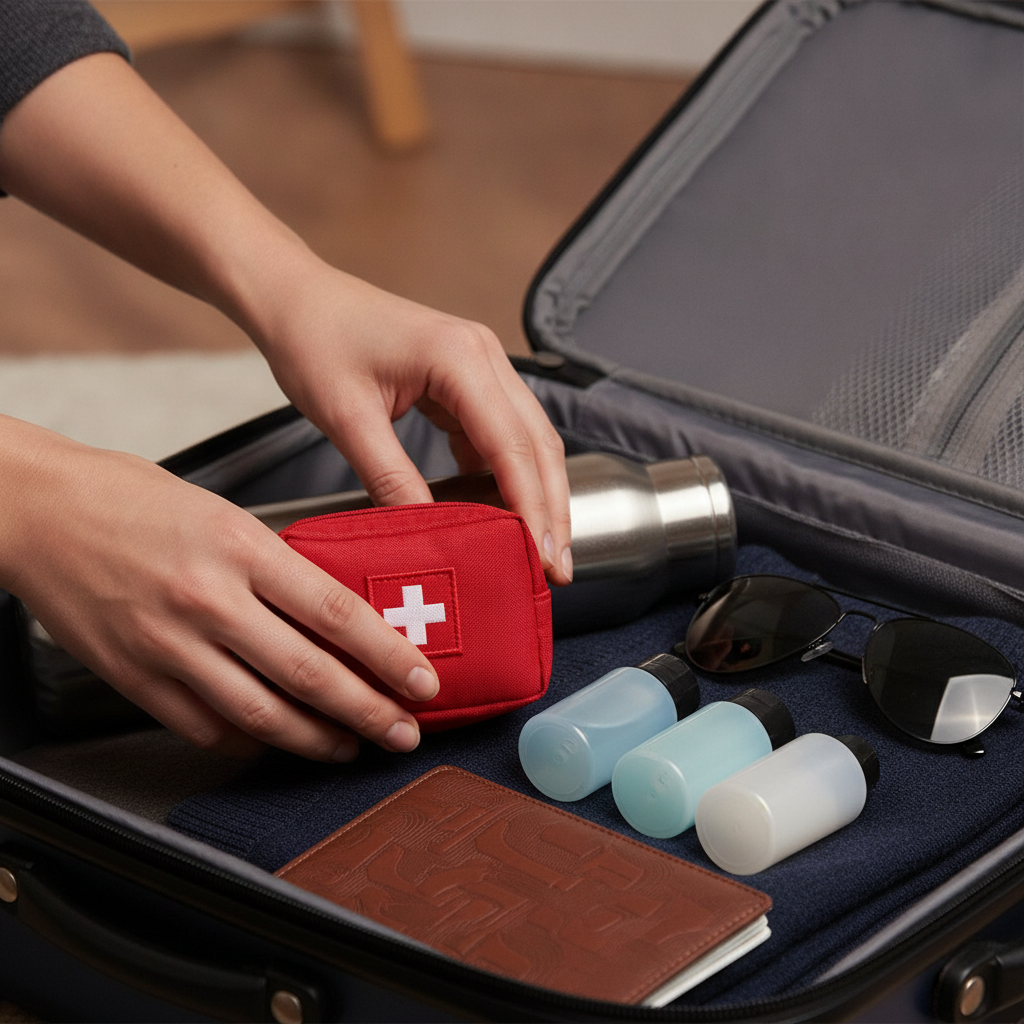
What is a travel insurance quote?
A travel insurance quote is a tailored estimate showing coverage options and conditions for your trip. It factors in traveler age, destination, trip length, and medical history to match you with eligible plans. You can compare benefits side by side and bind coverage once you confirm your details.
In our experience helping Ontario travelers, a clear quote package prevents last‑minute surprises. You’ll see exactly which events are covered, what exclusions apply, and when coverage starts. That clarity matters when you’re making time‑sensitive bookings and need dependable protection.
- What’s typically included: emergency medical, trip cancellation and interruption, baggage and personal effects, accidental death and dismemberment (AD&D), travel delay.
- What may be optional: cancel for any reason (CFAR), rental car damage, sports or adventure add‑ons, higher medical limits, coverage for longer trips.
- What’s not included: non‑sudden events you knew about before purchase, high‑risk activities without an add‑on, or conditions outside medical stability rules.
Why your quote matters before you book
Your quote determines what’s protected if plans change or a medical emergency happens abroad. It’s the map of your policy—benefits, exclusions, and claim conditions. Reviewing it before you book reduces disputes later and ensures you only pay for benefits you’ll actually use.
Here’s the thing: not all policies treat the same event the same way. Trip cancellation uses specific “covered reasons.” Emergency medical uses stability periods for pre‑existing conditions. A clear quote lets you align expectations before non‑refundable payments lock in.
- Pre‑trip clarity: know time‑sensitive purchase windows for cancellation benefits tied to initial trip deposits.
- Right‑sized protection: match coverage to destination risks and length of stay; avoid overlap with any existing credit card perks.
- Documentation map: learn what proof you’ll need later (itinerary, medical records, receipts) to streamline any claim.
How a travel insurance quote works (step‑by‑step)
Quotes pull your trip details—traveler age, dates, destinations—and apply insurer rules to calculate eligibility and benefits. You’ll receive comparable plan options. Choose one, complete brief health questions if required, then purchase. Coverage starts on the defined effective date.
- Share trip basics: traveler age(s), home province, destination(s), departure/return dates, and total prepaid costs if you want cancellation coverage.
- Select plan type: emergency medical only, cancellation/interruption, or a package that combines both with baggage and delays.
- Answer health prompts: some plans require stability confirmations or a short medical questionnaire—especially for mature travelers.
- Review documents: policy wording, summary of coverage, and confirmation of benefits. Check effective dates and exclusions.
- Bind coverage: purchase online or with our Whitby team by phone or meeting; receive immediate confirmation by email.
Prefer a walkthrough? Our team compares multiple Canadian carriers for you and highlights the tradeoffs, so you can decide faster without jargon.
Types of travel insurance plans (and when to use each)
Most travelers choose among emergency medical plans, trip cancellation/interruption plans, or package policies. Frequent travelers often prefer annual multi‑trip coverage. Your destination, trip frequency, prepaid costs, and medical history guide which plan delivers the best fit.
Emergency medical (single‑trip)
- Use it when: you want protection for out‑of‑country medical care, ambulance, hospital, and emergency transport back home.
- Good for: cross‑border weekend trips, winter escapes, or business travel with minimal prepaid costs.
- Watch for: stability periods for pre‑existing conditions and exclusions for certain activities without add‑ons.
Trip cancellation and interruption
- Use it when: you’ve paid deposits or the full amount for flights, cruises, tours, or accommodations you can’t easily recover.
- Good for: complex itineraries, cruises with multiple ports, or trips booked far in advance.
- Watch for: time‑sensitive purchase windows tied to initial deposits and specific “covered reasons.”
Comprehensive package (medical + cancellation)
- Use it when: you want broad protection in a single plan—medical, cancellation, baggage, delays, and AD&D.
- Good for: family vacations and international trips where both health and prepaid costs matter.
- Watch for: duplicate coverage with credit card perks; adjust limits to avoid overlap.
Annual multi‑trip
- Use it when: you make several trips a year and prefer one‑and‑done enrollment with per‑trip day limits.
- Good for: snowbirds who take short hops, cross‑border shoppers, and business travelers.
- Watch for: per‑trip maximum days; consider a top‑up if a specific trip runs longer than your plan’s limit.
Plan comparison at a glance
Emergency medical plans protect health expenses abroad, cancellation plans protect prepaid trip costs, and packages combine both. Annual multi‑trip plans cover many shorter trips in a year. Use this side‑by‑side to match your travel style with the right protection.
| Plan Type | Best For | Key Benefits | Key Considerations |
|---|---|---|---|
| Emergency Medical (Single‑Trip) | International or cross‑border travel with little prepaid cost | Emergency care, hospitalization, evacuation/return home | Pre‑existing condition stability rules; activity exclusions |
| Trip Cancellation/Interruption | Trips with non‑refundable flights, tours, or stays | Reimbursement for covered cancellations; extra costs to return home | Time‑sensitive purchase windows; covered‑reasons list |
| Comprehensive Package | Family and long‑haul travel | Medical + cancellation + baggage + delays | Check for overlap with card perks; confirm limits |
| Annual Multi‑Trip | Frequent short trips year‑round | Multiple trips under one plan; convenient renewals | Per‑trip day caps; buy top‑ups for longer journeys |
How to get a travel insurance quote in Whitby
Gather your trip dates, destination, prepaid costs, and traveler ages, then contact our Whitby team or request a quote online. We compare multiple Canadian insurers, explain differences in plain language, and help you bind coverage the same day.
- Step 1 — Prep details: dates, destination(s), total prepaid cost, existing coverage (work benefits or credit card perks), and passports on hand.
- Step 2 — Share health info: confirm medical stability windows where relevant; bring medication lists.
- Step 3 — Choose a plan: we’ll walk you through emergency medical, cancellation, or package options with top‑ups if needed.
- Step 4 — Bind and receive docs: finalize the policy; you’ll receive confirmation and wording by email immediately.
Local considerations for Whitby
- Busy schedules? Pop by near the Whitby Public Library – Central Library between errands—our advisors can coordinate quotes around your day.
- Summer travel peaks right after local events near Lynde House Museum; start your quote early to secure any time‑sensitive benefits.
- Need in‑person help? We’re local—so if an itinerary changes, you can reach a real Whitby advisor for quick adjustments.
Pricing factors and what impacts your quote
Your travel insurance quote reflects risk factors like age, destination, trip length, and medical history. Plan type also matters. Annual multi‑trip pricing is based on per‑trip day caps, while cancellation benefits relate to your non‑refundable prepaid amounts.
- Traveler details: age bands, the number of travelers, and any declared medical stability considerations.
- Trip profile: destination region, total days abroad, and whether you need higher limits for remote or cruise travel.
- Coverage mix: medical only, cancellation only, or package—with optional add‑ons like sports coverage or rental car damage.
- Frequency: single‑trip vs. annual plans for multiple short trips; top‑ups if a specific trip exceeds day limits.
We never publish prices because every traveler and itinerary is different. Instead, we tailor coverage to your trip so you get the right protection—nothing more, nothing less.
Benefits and exclusions explained (plain language)
Travel policies define what’s covered and what isn’t. Emergency medical protects sudden illnesses or injuries abroad. Cancellation covers specific unforeseen events before departure. Reading the policy wording and summary—before you buy—prevents confusion later.
Emergency medical
- Typically covered: physician and hospital fees, diagnostics, emergency dental, ambulance, air evacuation, and repatriation.
- Often excluded without add‑ons: high‑risk sports, expedition travel, or care for unstable pre‑existing conditions.
Trip cancellation + interruption
- Typically covered: illness or injury of you or a traveling companion, certain weather events, airline or tour operator issues, or a defined family emergency.
- Key nuance: benefits are tied to listed “covered reasons,” not every possible scenario, unless you’ve added CFAR where available.
Baggage, delays, and AD&D
- Baggage: reimbursement for lost, stolen, or delayed bags with reasonable daily essentials.
- Travel delay: meals and lodging if a common carrier delay meets your plan’s threshold.
- AD&D: accidental death or dismemberment benefits during travel.
Best practices before you buy
Buy early after your first trip payment, disclose health details accurately, and read the summary of coverage. Coordinate benefits with any credit card perks to avoid overlaps. Keep digital copies of documents so you can access them on the go.
- Time your purchase: some cancellation benefits are time‑sensitive after the initial deposit. Don’t wait until the night before your flight.
- Coordinate coverage: if your credit card offers partial trip protection, we’ll help right‑size a top‑up or medical‑only plan.
- Document control: store your policy, emergency numbers, and receipts in a secure cloud folder you can access offline.
- Health disclosures: answer stability questions carefully; misstated conditions can void a claim.
Tools and resources (templates, checklists, and links)
Use a pre‑trip checklist, keep a claim‑ready document folder, and bookmark key guidance pages. If you’re hosting family under a Super Visa, align visitor medical coverage with their stay and travel dates to avoid gaps.
- Travel insurance options overview: See our plain‑English walkthrough of coverages in Travel Insurance Canada Coverage Options.
- Medical coverage nuances: For deeper detail on emergency benefits, read our medical coverage comparison.
- Visitor and Super Visa planning: If family members are visiting long‑term, review our Super Visa insurance requirements and this overview of visitor insurance in Canada.
- Understanding quotes: Learn how quotes fit into your broader protection plan in our 2026 quote guide.
If you’re comparing stay options for parents or relatives, this primer on permit types helps you align timelines with coverage. See Visitor Visa vs. Super Visa and their visitor visa documents guide for immigration context.
Case studies and real‑world examples
Real trips surface the details that matter: medical stability, deposit timing, and itinerary changes. These brief scenarios show how a well‑built quote prevents gaps and speeds up claims, especially when plans shift.
- Whitby family cruise: A family booked a spring cruise with multiple ports. We recommended a package policy with interruption benefits and highlighted the covered‑reasons list. When weather delayed embarkation, delay benefits covered meals and a hotel night while rebooking.
- Frequent flyer consultant: A GTA consultant took monthly U.S. trips. An annual multi‑trip medical plan with a 15‑day cap kept them continuously protected. For a 21‑day conference, we added a top‑up to extend the limit.
- Parents visiting on long stays: For relatives visiting under a long‑stay permit, we coordinated a visitor medical plan aligned to their arrival/return dates and helped organize documents for any potential claims.
We’ve found that a short, structured intake captures 95% of what affects eligibility and claims. That’s why we build quotes around your itinerary—not the other way around.
How travel insurance claims work
Call the 24/7 assistance number first for medical events, then follow instructions for care and documentation. For cancellation or baggage issues, keep receipts, confirmations, and proof of loss. Submit forms promptly; many decisions hinge on timely, complete information.
- Emergency first: contact the assistance line shown on your policy. They coordinate care, approvals, and transportation.
- Collect documentation: physician notes, invoices, itineraries, boarding passes, and receipts. Keep digital copies.
- Submit forms: complete claim forms accurately; include all requested proof. We can help you organize and submit.
- Follow up: respond quickly to any additional requests to avoid delays in adjudication.
Some local clinics and providers streamline payments when insurers confirm coverage. For general context on direct billing in Whitby’s health ecosystem, see this overview of insurance direct billing.
Frequently Asked Questions
These quick answers cover timing, information needed for quotes, pre‑existing condition rules, and plan selection. Each response is concise so you can act right away and finalize your protection with confidence.
When should I buy travel insurance?
Buy soon after you make your first trip payment. That timing preserves eligibility for certain trip cancellation benefits tied to your initial deposit. If you only need emergency medical, purchase before you leave—coverage starts on the effective date shown in your documents.
What information do I need for a travel insurance quote?
Have traveler ages, departure and return dates, destination(s), and total prepaid trip costs if you want cancellation benefits. Bring a list of current medications and conditions for medical stability confirmations. With that, a broker can compare plans and issue coverage quickly.
Are pre‑existing conditions covered?
Many plans cover stable conditions that meet defined stability periods. Others require a short questionnaire or offer optional riders. Disclose conditions accurately and review the wording with your broker so you understand the stability rules before purchase.
Should I choose single‑trip or annual multi‑trip?
If you travel several times a year, an annual plan is convenient and often simpler than buying separate policies, with a per‑trip day cap. For one major vacation or a longer journey, a single‑trip plan tailored to that itinerary usually fits better.
How do I file a claim effectively?
Call the 24/7 assistance line first for medical guidance and approvals. Keep receipts, medical notes, and itineraries. Submit complete forms promptly and respond to any follow‑up requests. Your Whitby broker can help you organize and communicate with the insurer.
Related reading and your next steps
Round out your protection plan by coordinating travel coverage with life and home policies. These resources help you see the full picture and act today so your next trip is properly protected from day one.
Planning bigger life protection as well? See our Whitby‑focused primer on choosing coverage in Best Life Insurance: Choose Better Coverage In 2026. If you’re hosting relatives, align trip plans with visitor medical guidance in our Visitor Insurance guide and our Super Visa requirements overview.

Key takeaways + talk to our Whitby team
Lock in the right plan early, disclose health information accurately, and keep documents organized. Our Whitby advisors compare multiple Canadian carriers and help you bind coverage fast—so you can focus on the trip, not the fine print.
- Choose plan type based on itinerary and prepaid costs.
- Mind medical stability rules and time‑sensitive windows.
- Use an annual plan for frequent short trips; top up when needed.
- Keep digital copies of policy documents and receipts.
Ready to compare plans? Share your dates and destination, and our Whitby team will prepare a customized travel insurance quote the same day.
Contact Chase Insurance Brokers Ltd. to get started.


2 Comments
[…] Choosing auto insurance is about more than the monthly price. This article names seven specific mistakes and decision checks Whitby drivers should run on every quote. For each item you will find why it matters, the exact questions to ask a broker or insurer, and a short practical next step to take at quote time. For related first-party details, review travel insurance quote whitby. […]
[…] If you are looking for home insurance Whitby, this step-by-step guide shows exactly what to prepare, which policy terms to compare, and when to call a broker for accurate, competitive quotes. Use the printable checklist below, then request a local quote from Chase Insurance Brokers Ltd. to compare multiple carriers quickly. For related first-party details, review travel insurance quote whitby. […]