

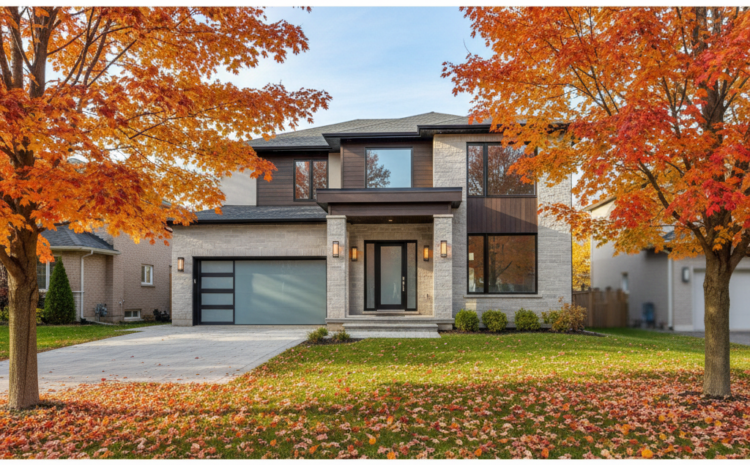
Home Insurance Rates: What Makes Yours Go Up in 2026
Home insurance rate refers to the price you pay for home coverage based on your property’s risk, coverage limits, and insurer underwriting. In Whitby and across Ontario, rates reflect factors like rebuild value, loss trends, and your claims history. Chase Insurance Brokers compares multiple carriers so your coverage stays strong while your premium remains competitive.
By Chase Insurance Brokers Ltd. • Last updated: 2026-05-23
Quick Summary and Table of Contents
A home insurance rate is calculated from your home’s rebuild value, location risks, coverage choices, and loss history. To control your rate in 2026, align limits to true rebuild costs, minimize water and fire risk, and compare quotes through a licensed Ontario broker who can shop multiple insurers.
Use this at-a-glance guide to see what truly drives premiums in Ontario—and how to respond like a pro.
- What “home insurance rate” means and why rebuild value matters more than market price
- 2026 rate drivers in Ontario and what you can control today
- How insurers calculate risk (and how brokers like Chase shop the market)
- Coverage types that influence premiums and common add-ons to review
- Pro risk-reduction steps that actually move the needle on pricing eligibility
- Ontario-specific tools and a simple comparison checklist you can use now
What is a home insurance rate?
A home insurance rate is the price for insuring your property, tailored to its rebuild value, location exposures, coverage selections, and your claims history. Insurers convert these factors into a premium using underwriting rules, rating territories, and discounts or surcharges tied to your risk profile.
Think of the rate as your home’s “risk score translated into dollars.” It blends:
- Rebuild value: Cost to reconstruct your home with like kind and quality.
- Location: Fire protection class, neighborhood loss trends, and severe weather exposure.
- Construction & age: Roof, plumbing, electrical, heating, and updates.
- Coverage choices: Form (comprehensive, broad, named perils), limits, endorsements, deductible.
- Behavioral signals: Claims frequency, payment reliability, and occupancy.
In our experience helping Whitby homeowners, the biggest early win is aligning rebuild value correctly. Market price and rebuild cost can diverge considerably—especially when labor and materials change faster than sales comps. For a deeper coverage orientation, review our Ontario home coverage guide.
Why home insurance rates are changing in 2026
Rates in 2026 reflect higher rebuild costs, evolving severe weather patterns, and updated underwriting. You can’t control macro drivers, but you can manage your individual risk signals—water mitigation, fire safety, accurate coverage limits—and use an independent broker to compare multiple insurers.
Homeowners ask, “If I had no claims, why did my premium move?” Here’s what’s happening on the ground:
- Materials and labor volatility: Rebuild costs respond to supply chains and trades availability.
- Weather-driven losses: More frequent water and wind claims in parts of Ontario affect territories.
- Updated underwriting: Insurers refine models (e.g., water backup, wildfire interface, roof age).
- Liability awareness: Dog liability, pool safety, and short-term rental use change eligibility.
Here’s the thing: market value is not rebuild value. Real estate listing prices can rise or fall without matching construction inputs. For a plain-language refresher on how value is framed in the real estate world, see this primer on home value in Ontario—then remember insurers care about rebuild cost, not sales comps.
How your home insurance rate is calculated
Insurers start with your rebuild value and location territory, then adjust for construction details, roof and system age, prior losses, coverage selections, and discounts like alarm credits or home-auto bundling. The broker’s job is to match your profile to markets that reward your strengths.
We see underwriters weigh the following inputs most consistently:
- Location data: Fire hall proximity, hydrant access, territorial loss ratios.
- Home profile: Year built, updates (electrical, plumbing, roof), building type and size.
- Coverage structure: Policy form, water endorsements, special limits, and deductible size.
- Claims history: Frequency matters; even small, repeated water claims can trigger surcharges.
- Protective devices: Monitored alarms, water shutoff valves, sump backups often earn credits.
- Bundling: Placing auto and home together can improve overall eligibility and package discounts. Explore our bundle options.
Our advantage at Chase is market access. We compare options across respected Canadian insurers and present side-by-side, apples-to-apples quotes so you can see how each carrier prices the same coverage.
Coverage types that influence your rate
Your premium rises or falls with the breadth of coverage (comprehensive vs. broad vs. named perils), settlement basis (replacement cost vs. actual cash value), water endorsements, liability limits, and the deductible you choose. Align protections to true risk to avoid overpaying—or underinsuring.
Here’s how common choices show up in premiums and claims outcomes:
- Policy form
- Comprehensive: Broadest for building and contents, excluding listed exceptions.
- Broad: Comprehensive for building, named perils for contents.
- Named perils: Covers specified risks only; can be restrictive.
- Settlement basis
- Replacement cost: Rebuilds/repairs with like kind and quality, no depreciation.
- Actual cash value (ACV): Depreciation applied; lower premium, lower claim payment.
- Water endorsements: Sewer backup, overland water, ground water—critical in parts of Ontario.
- Liability limit: Often increased to address pools, trampolines, or hosting exposures.
- Deductible: Higher deductibles reduce premium but increase out-of-pocket at claim time.
Use this quick comparison when deciding who should place your policy:
| Aspect | Independent Broker (Chase) | Direct Insurer | Captive Agent |
|---|---|---|---|
| Market access | Multiple insurers, broader eligibility | One brand only | One brand family |
| Quote comparison | Side-by-side, apples-to-apples | Internal offers only | Internal offers primarily |
| Advocacy at claim | Broker advocates for you | Policyholder self-advocates | Agent represents carrier |
| Customization | Tailored endorsements, bundles | Preset packages common | Preset packages common |
Want a practical checklist? See our Complete Home Insurance Checklist (Ontario) to organize details for a clean, comparable quote.
How to compare home insurance quotes the right way
Standardize coverage, match deductibles, and compare at least three markets through a licensed broker. Confirm rebuild value inputs, water endorsements, liability limits, and special limits. Then evaluate service: response time, claims support, and flexibility to adjust mid-term.
Use this simple comparison process we follow with Whitby clients:
- Lock coverage specs: Choose policy form, liability limit, and water endorsements before shopping.
- Confirm rebuild inputs: Square footage, finishes, and outbuildings must be accurate.
- Align deductibles: Keep them identical across quotes for real comparisons.
- Disclose updates: New roof, plumbing, or electrical can open better markets.
- Bundle review: Compare a standalone home quote and a home–auto bundle scenario.
- Claims service: Ask about 24/7 intake, adjuster timelines, and preferred contractors.
| Renewal timeline | Action | Purpose |
|---|---|---|
| 60–45 days | Gather updates, photos, and alarm certificates | Unlock credits and accurate rebuild values |
| 45–30 days | Broker shops multiple markets | See options before renewal posts |
| 30–10 days | Fine-tune endorsements and deductibles | Balance protection and budget |
| 10–0 days | E-sign documents and set payments | Ensure continuous coverage |
Prefer a curated experience? Start with our best-home-broker overview or jump straight to our Ontario home savings guide.
Free broker help: Want us to do the comparison work? We’ll standardize coverage and shop multiple insurers, then explain the differences in plain English. Request a call or a quick online quote—whatever’s easier for you.
Best practices to lower risk and stabilize your rate
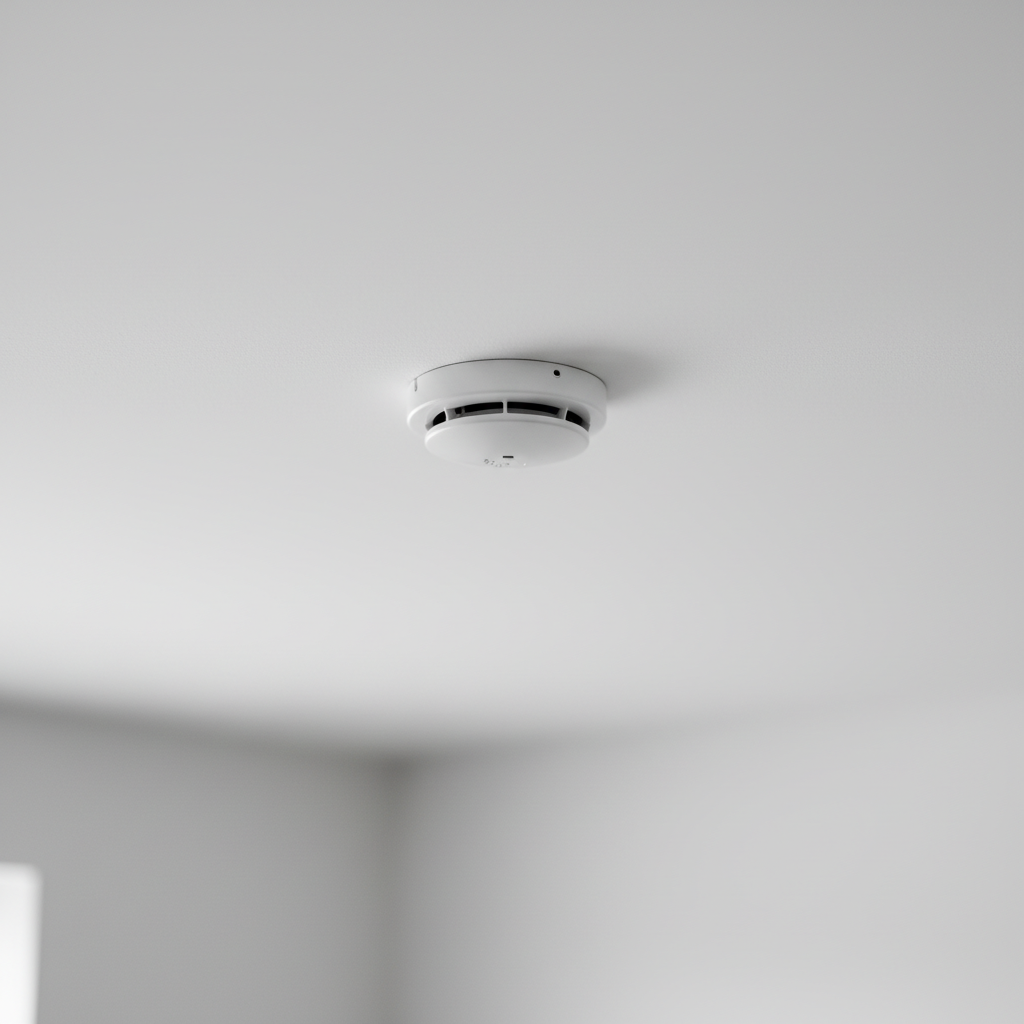
Target water, fire, and liability—the big three loss drivers. Install water sensors and shutoffs, maintain smoke/CO detectors on every level, service your roof and eaves, and secure pools and dogs. Document improvements for your broker to unlock credits and better market eligibility.
In our files, the same practical steps repeatedly improve quote outcomes:
- Water protection: Sump pump with backup power, backwater valve, leak sensors by sinks, toilets, and laundry.
- Fire safety: Monitored alarm, updated electrical, lint-free dryer vents, and annual furnace service.
- Roof & exterior: Keep shingles, flashing, and eaves in shape; trim branches over structures.
- Liability control: Fence and self-latch gates for pools; disclose dog breed/temperament; handrails on steps.
- Documentation: Save invoices and warranty notes; share with us for underwriting credits.
Small moves add up. For many homes, adding a monitored alarm and demonstrable water mitigation can be the difference between standard and preferred pricing tiers—especially when combined with a clean claims record.
Local considerations for Whitby
- After thaws and spring rains, check your sump pump and test a backup. Whitby homeowners who prove active water mitigation often unlock better underwriting outcomes.
- Winterize by late fall: shut exterior valves, clear eaves, and walk the roof visually from the ground after the first frost. It reduces ice dam risk.
- If you’re commuting into the GTA and your home is occasionally vacant, use smart leak sensors and timers. Note “occasional vacancy” accurately on your application for eligibility.
Tools and resources for Ontario homeowners
Use checklists, valuation reviews, and broker market access to stay ahead of renewal. Organize documentation, verify rebuild inputs annually, and leverage independent market comparisons so underwriting credits and endorsements are aligned to your actual risk.
Helpful starting points while you gather details:
- Organize with our Ontario home insurance checklist and keep digital photos of the roof, electrical panel, and plumbing shutoffs.
- See how real estate pros discuss market value in this Ontario home value explainer, then focus your policy on rebuild cost, not sale price.
- New to ownership? Understand home-buying paperwork timelines with this overview of Ontario closing items so you can coordinate insurance binders smoothly.
- Curious about the broker landscape? Browse a neutral directory listing like this Ontario brokerage profile to see how brokerages are presented publicly.
- Ready to bundle? Compare scenarios on our home–auto quotes page.
Mini case studies from Chase (Ontario examples)
When we standardize coverage, fix rebuild inputs, and document risk improvements, we consistently open better markets. The result is stronger protection and a more stable premium path—especially when homeowners maintain a clean, claims-free track record.
Anonymous snapshots from recent Ontario files:
- Whitby detached, 1990s build: Roof update, monitored alarm, and water sensors documented. Brokered two additional markets that previously declined, unlocking broader eligibility and a cleaner coverage fit.
- Durham Region bungalow: Rebuild inputs corrected after finished-basement upgrade. Policy moved from ACV to replacement cost with proper water endorsements, improving claim resilience.
- GTA townhouse: Bundle strategy with auto plus proof of electrical updates. Package discount and preferred tier opened with a mainstream carrier via our market access.
We’ve found the best outcomes come from homeowner–broker teamwork: accurate data, proactive mitigation, and timely renewal discussions.
FAQ: Home insurance rates in Ontario
Standardize your coverage, confirm rebuild values, and address water and fire risks. Then have a broker compare multiple insurers. This combination keeps coverage aligned to real risk and helps stabilize your home insurance rate over time.
What affects my home insurance rate the most?
Rebuild value accuracy, roof and system age, your claims history, and coverage choices (form, water endorsements, deductible) have the biggest impact. Location loss trends and fire protection class also play a role. Document upgrades and share them with your broker to unlock better markets.
Is market value the same as my insured amount?
No. Insurance is based on rebuild value—the cost to reconstruct your home—while market value reflects what a buyer would pay. These can differ significantly. Review rebuild inputs yearly, especially after renovations or material and labor shifts.
How do I compare home insurance quotes fairly?
Keep coverage, endorsements, and deductibles identical across all quotes. Provide the same home updates and occupancy details to each carrier. A licensed broker will then shop multiple markets and summarize differences in plain language.
Can bundling home and auto improve my outcome?
Often yes. Bundling can enhance eligibility and streamline service with one account. Ask your broker to model both a standalone home quote and a bundled scenario to see which combination best balances coverage and value.
Conclusion and next steps
Stabilizing your home insurance rate starts with accurate rebuild values, targeted risk mitigation, and professional comparison through an independent Ontario broker. Standardize coverage now, then let us shop multiple markets and explain the trade-offs clearly.
- Key takeaways
- Insurers price rebuild cost and loss trends—not real estate comps.
- Water, fire, and liability mitigation improve eligibility and pricing.
- Standardized quotes reveal true differences between insurers.
- Broker advocacy matters at binding and at claim time.
- Action steps
- Gather updates, photos, and any alarm/water device certificates.
- Confirm rebuild inputs and coverage form with your broker.
- Compare home-only and bundled scenarios side by side.
Ready to optimize your policy in Whitby or anywhere in Ontario? Book a quick consultation—we’ll do the heavy lifting and keep things simple.


2 Comments
[…] see our overview of what home insurance covers in Ontario. If your renewal moved, review what makes rates go up before you alter protections you’ll wish you had […]
[…] We explain which changes matter most in what drives home rates in 2026. […]