

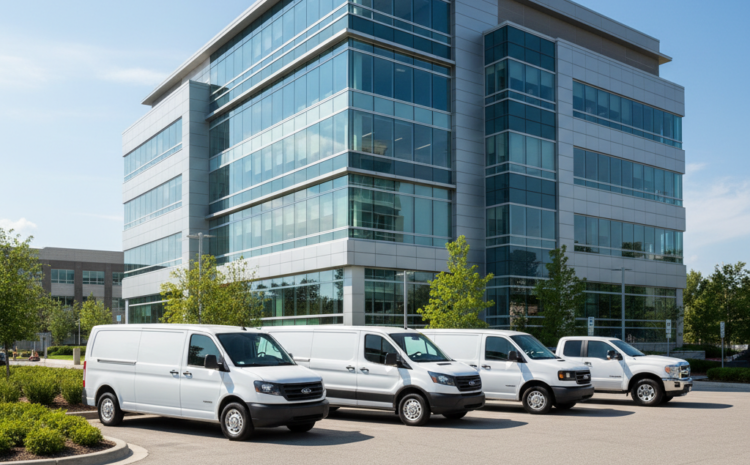
Auto Business Insurance Quote: Find Lower Rates and Stay Covered 2026
An auto business insurance quote is a customized estimate for insuring company vehicles, from a single delivery van to a growing fleet. For Whitby and Ontario businesses, it outlines coverage types, limits, and underwriting requirements so you can bind protection quickly. Chase Insurance Brokers helps you compare multiple carriers and finalize coverage without hassle.
By Chase Insurance Brokers Ltd. • Last updated: 2026-05-16
Start here: your auto business insurance quote
Your auto business insurance quote should capture drivers, vehicles, usage, and claims history. Gather driver abstracts, vehicle VINs, and a use profile (deliveries, service calls, radius). With this, a broker can shop multiple insurers and return options that fit your operations and timelines.
We wrote this guide for Ontario owners and managers who operate work vehicles and want better coverage with less friction. You’ll see how quotes are built, what insurers check, and where a broker can accelerate results.
- What commercial auto covers and how quotes are built
- Documents underwriters request (and why)
- Ways to strengthen eligibility and reduce risk
- Comparison of buying paths (broker vs direct vs online)
- Practical checklists you can use today
Quick summary
Commercial auto insurance protects vehicles used for business—like service vans and light trucks. Quotes are based on drivers, vehicles, usage, and claims. Centralize documents, define controls (training, dashcams), and use a broker to compare carriers. This yields faster underwriting decisions and coverage that aligns with real-world operations.
Here’s the high-level flow many Whitby and Ontario businesses follow with our team:
- Outline your fleet: vehicles, drivers, routes, annual mileage.
- Assemble documents: VINs, abstracts, equipment notes (racks, signage).
- Define controls: driver training, MVR checks, telematics, storage.
- We market the risk to multiple insurers simultaneously.
- We review coverage differences and bind when you’re ready.
What is commercial auto insurance?
Commercial auto insurance is coverage for vehicles used in business, including liability, accident benefits, physical damage, and optional endorsements. It differs from personal auto by rating on business use, drivers, and fleet controls, ensuring claims are handled for work-related trips and cargo.
Think service vans, contractor pickups, courier vehicles, sales cars, and small fleets. The policy is structured around your operations. If your team drives to job sites, hauls tools, or makes deliveries, you need a business policy—not a personal one.
- Core protections: third-party liability, accident benefits, physical damage (collision/comprehensive), loss of use, roadside assistance.
- Business-specific options: cargo/tools coverage, replacement rental for business interruption, roadside for fleets, glass, and signage.
- Non-owned & hired autos: protects when employees use their own vehicles for work or when you rent/lease.
- Endorsements: coverage tweaks for unique exposures, from specialty equipment to temporary vehicles.
For many Ontario firms, non-owned and hired auto is the quiet hero; it fills gaps when staff use personal vehicles for errands or you rent substitutes during peak weeks. We help you calibrate limits and wording so there’s no ambiguity at claim time.
Why commercial auto coverage matters
Without commercial auto, a work-related collision can leave your business exposed. Business policies are built for daily operations—multiple drivers, tool transport, deliveries, and client visits—so claims and liability are handled under the correct terms.
Coverage is about continuity. Vehicles are often your mobile storefront, your service pipeline, and your brand. The right wording keeps jobs moving and contracts intact even after an incident.
- Contractual requirements: many clients and lessors require proof of business auto and specific liability limits.
- Operational resilience: replacement vehicle coverage and loss of use minimize downtime.
- Reputation & compliance: formal driver policies, MVR checks, and signage standards show professionalism.
- Scalability: add/change vehicles and drivers as your company grows without redoing everything from scratch.
When we work with Whitby contractors or delivery startups, we start by mapping workflows. That’s how we right-size coverage and avoid paying for protections you don’t need—or missing ones you do.
How an auto business insurance quote is built
Insurers analyze drivers, vehicles, routes, storage, and past claims to produce an auto business insurance quote. Clear documentation and defined controls—like driver training and telematics—speed underwriting and can widen eligibility with more markets.
Underwriters think in patterns. They ask: Who’s behind the wheel? What are they driving? Where and how often? What controls keep incidents down? Your answers guide rate class, endorsements, and insurer appetite.
Information underwriters expect
- Drivers: full names and roles, driver’s license class, years licensed, recent violations/suspensions.
- Vehicles: VIN, year/make/model, GVWR, upfits (racks, boxes), signage, security devices.
- Use: service, delivery, sales, rideshare; typical trip length; daily/seasonal patterns; geographic radius.
- Controls: hiring standards, MVR frequency, training cadence, telematics/dashcams, after-hours storage.
- Loss history: prior claims narrative and fixes implemented (e.g., winter tire policy, backing cameras).
Documents to prepare before you ask for quotes
- Driver abstracts (recent for each listed driver)
- Vehicle schedules with VINs and equipment notes
- Written driver policy (speeding, phone, impairment, incident reporting)
- Telematics/dashcam overview (if installed) and sample reports
- 12–36 months of loss runs or a claims summary
When these items arrive together, we can often return first-look options faster because markets don’t need to chase missing details. That time saved matters when a new contract requires proof this week.
Coverage types and how to choose them
Match coverage to your real usage. Pair core liability and accident benefits with physical damage, non-owned/hired auto, and endorsements for tools, cargo, and replacement vehicles. Calibrate deductibles and limits to contract demands and your risk tolerance.
Core protections for most fleets
- Third-party liability: protects against bodily injury or property damage you cause while operating a business vehicle.
- Accident benefits: medical and rehabilitation support following an insured accident.
- Collision: repair or replacement if your vehicle hits another object.
- Comprehensive: non-collision perils like theft, fire, vandalism, hail.
Popular add-ons
- Loss of use: rental coverage to keep work moving while yours is repaired.
- Non-owned/hired auto: covers employees using personal vehicles for work and short-term rentals.
- Tools and equipment: for gear carried inside vehicles; can be paired with inland marine/property forms.
- Glass and signage: for companies with branded vehicles and heavy windshield use.
We’ll map these to your business and pair them with other protections through our Business Insurance service if needed (e.g., general liability for jobsites or property for stored tools).
How to get an auto business insurance quote
Document your vehicles and drivers, define controls, then use a broker to market the risk with one submission. Review coverage differences—not just premiums—and bind the option that best aligns with contracts, usage, and growth plans.
- Inventory your fleet: VINs, usage patterns, annual mileage, storage locations.
- List active drivers: roles, license classes, years licensed, recent violations.
- Write down controls: onboarding steps, driver policy, training schedule, telematics.
- Share claims history: what happened, root causes, and fixes.
- Submit once: we shop multiple insurers and coordinate questions.
- Compare coverage: limits, deductibles, endorsements, exclusions, service terms.
Prefer a no-surprises path? Our team keeps the same data packet on file so adding vehicles or drivers is quick. That’s handy for seasonal upswings or new routes.
Common mistakes that slow down underwriting
Delayed quotes usually trace to missing documents, unclear usage, or no driver policy. Centralize VINs and abstracts, explain routes and cargo, and publish rules for phone use and speeding. These simple steps unlock more insurer options and cleaner terms.
- Relying on personal auto for work use; claims can be denied without business wording.
- No driver policy; underwriters want to see expectations and enforcement.
- Omitting upfits like ladder racks or boxes; these affect value and risk.
- Skipping MVR checks; annual abstracts help catch risks before an incident.
- Ignoring storage; note where vehicles park and any security measures.
We provide templates for driver policies and onboarding checklists so you can show markets a mature safety program from day one.
Comparison paths and pricing factors (no dollar amounts)
You can buy business auto through a broker, direct from one insurer, or via an online portal. A broker expands market access and centralizes changes. Pricing reflects drivers, vehicle types, routes, storage, and losses—not just the number of vans.
| Buying path | Pros | Considerations |
|---|---|---|
| Broker (multi-carrier) | One submission to many insurers; advice on wording; help at claim time | Carrier forms vary; needs a clear summary to compare |
| Direct writer | Straight to one brand; fewer handoffs | Limited market options; harder to benchmark |
| Online platform | Fast intake; self-serve | Less nuanced wording support; limited edge-case help |
- Driver mix: experience, MVRs, training records.
- Vehicle profile: GVWR, upfits, anti-theft, signage.
- Usage: radius, delivery density, business hours.
- Controls: telematics, dashcams, storage, maintenance logs.
- Loss history: claims frequency and fixes put in place.
When you’re ready, start here: our Business Insurance quote workflow and our Business Insurance service explain how we shop markets and manage renewals.
Risk controls that strengthen your quote
Insurers reward clear, enforced controls. Show a written driver policy, onboarding and ride-alongs, annual MVR checks, telematics or dashcams, and secure after-hours storage. Document maintenance and winter tire use. These signals widen eligibility and support cleaner terms.
- Driver policy: zero tolerance on impairment; guidance on phone use, speed, seatbelts.
- Hiring standards: license class, minimum tenure, probation ride-alongs.
- Monitoring: quarterly incident reviews; annual abstracts.
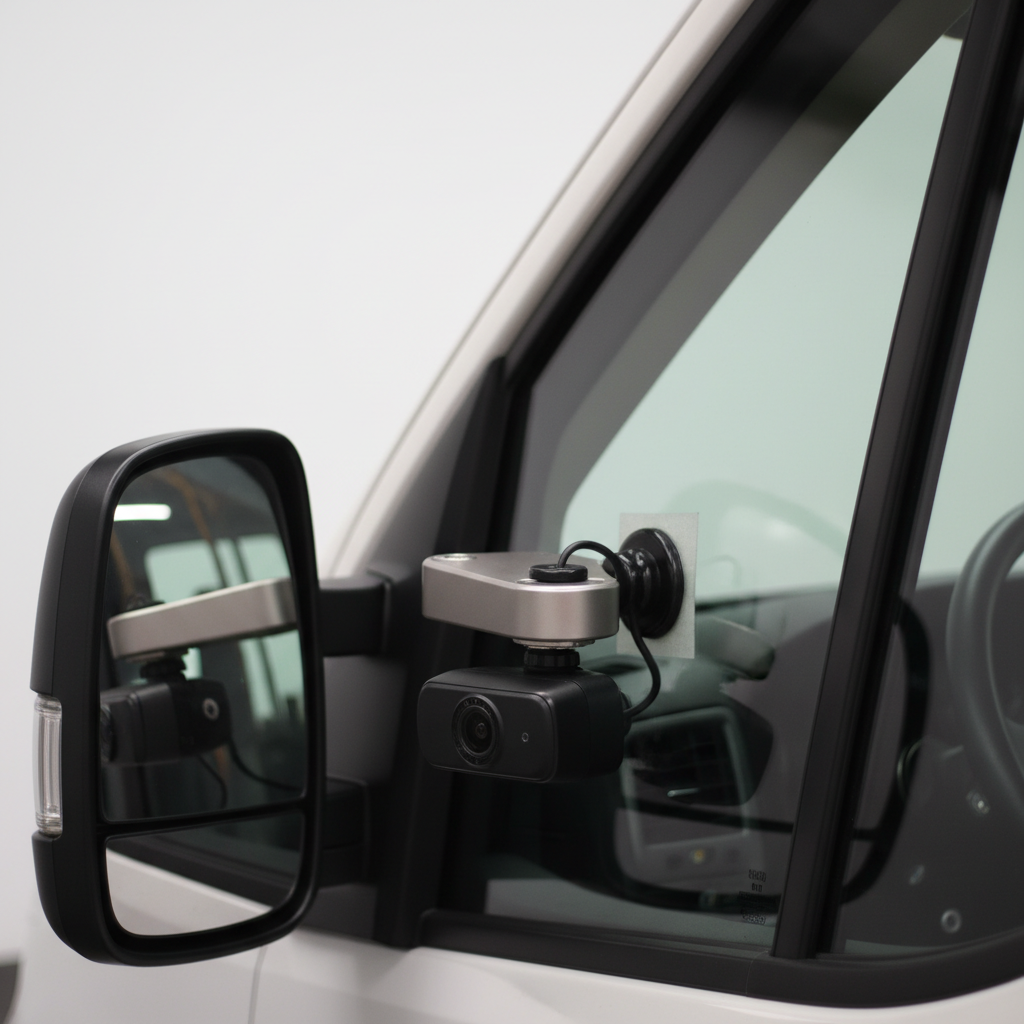
- Technology: dashcams and telematics for coaching and disputes.
- Storage & security: fenced lots, lighting, immobilizers, key controls.
- Maintenance: schedule with brake/tire focus; winter tires policy.
We often position dashcam footage as a way to resolve liability faster. It helps close files cleanly when you’re not at fault.
Documents checklist you can copy
Centralize fleet details in one folder: vehicle schedule with VINs, driver list with abstracts, claims summary, driver policy, storage photos, and notes on telematics. A single, complete package speeds underwriting and reduces back-and-forth.
- Vehicle schedule (VIN, year/make/model, GVWR, upfits)
- Driver roster (role, license, tenure) + recent abstracts
- Claims/loss runs and corrective actions
- Driver policy and onboarding checklist
- Storage/security description with photos
- Telematics/dashcam summary and sample report
Our online forms and phone support make this easy. See our small business insurance overview for how we streamline multi-policy placements.

Fleet vs. single vehicle: What changes?
Single vehicles are rated on the specific driver/vehicle pair. Fleets shift focus to controls, maintenance, and loss trends. As you add units, formalize policies, centralize records, and adopt telematics to keep eligibility strong while you scale.
- Single unit: detailed look at the primary driver, route, and vehicle value.
- Small fleet (3–10): emphasis on driver roster and consistent enforcement.
- Growing fleet (10+): trend analysis, quarterly reviews, and KPIs (incidents per 100,000 km).
Whether you run one cube van or fifteen, our role is the same: match your risk profile to the carriers that like it—then negotiate for wording that fits how you actually work.
Contracts, leases, and compliance checkpoints
Before you sign a vehicle lease or client contract, confirm insurance wording, proof requirements, and notice terms. Align liability limits, additional insured requests, and non-owned auto needs so certificates match expectations on day one.
When vehicles are leased or rented, double-check responsibility for insurance, deductibles, and who issues proof. For operational planning on vehicle acquisition and vendor setup, see this commercial lease guide. If you’re transferring ownership on units entering or exiting your fleet, this Ontario title transfer overview provides a helpful step list to keep records accurate.
Businesses that sell or service vehicles have unique flows. For process ideas on building a scalable automotive operation (from storefront to online), the Shopify automotive guide is a practical, vendor-neutral playbook.
Tools and resources that help your program
Adopt simple tools: digital driver files, MVR tracking reminders, dashcam cloud storage, and maintenance logs. These create a verifiable safety record you can show underwriters and help you resolve incidents quickly.
- Digital driver files: license snapshots, abstracts, onboarding checklists.
- MVR reminders: scheduled pulls and renewal alerts.
- Telematics dashboards: speeding, harsh braking, idle time insights.
- Maintenance software: tire/brake logs, recalls, inspections.
- Certificate management: track who needs proof, renewal dates, and limits.
Our clients often start with spreadsheets, then graduate to light fleet software as they scale. We’ll advise what fits your stage so tools help—not hinder.
Mini case examples (Whitby & GTA)
Real scenarios show how to tailor coverage. We anonymized these Whitby/GTA examples to highlight decisions: driver policies, endorsements, and storage changes that unlocked cleaner terms during quoting and renewal.
- Contractor vans (Whitby): Two service vans with ladder racks. We added loss of use, glass, and tools coverage matched to their property policy; adopted annual abstracts and a winter tire rule to satisfy the market.
- Courier startup (GTA): Mixed drivers on short urban routes. We recommended dashcams and non-owned auto for surge periods with rentals. Underwriting questions dropped after we documented telematics coaching.
- Sales cars (Durham Region): Personal use overlap. We clarified business/personal boundaries, issued certificates to a new key account, and added replacement rental to keep meetings on track after a fender-bender.
In our experience, the combination of a clear driver policy and basic video telematics cuts back-and-forth dramatically during quoting. It also standardizes coaching after near-misses.
Local considerations for Whitby
- Winter prep isn’t optional. Plan your tire changeovers and back up your after-hours storage with lighting and plow access to keep claims down during storms.
- Holiday peaks tighten timelines. If you add seasonal drivers or rentals, prepare abstracts and rental agreements early so certificates go out on time.
- Keep proof handy. Many job sites request updated certificates; maintain a contact list so we can issue revised certificates quickly when contracts change.
Best practices to maintain strong terms year-round
Treat your insurance file like a living system. Keep rosters current, document every change, and review incident trends quarterly. Coach drivers, maintain vehicles, and refresh certificates before they’re requested. This reduces friction and supports favorable terms at renewal.
- Quarterly reviews of incidents and telematics data; coach early.
- Update driver/vehicle rosters monthly; archive changes.
- Log maintenance and tire changes; attach invoices or photos.
- Reconfirm storage and security after any move or expansion.
- Track certificate requests and contractual limits in one sheet.
When renewal approaches, we’ll pre-check with markets about appetite shifts. If a carrier tightens eligibility for your class, we pivot early and avoid surprises.
When to loop in a broker (and what we do)
Loop in a broker when buying your first unit, signing a new contract, adding rentals, or scaling routes. We centralize your data, market to multiple insurers, explain wording differences, and help at claim time—so you can focus on operations.
Chase Insurance Brokers partners with leading insurers and serves businesses across Ontario. Explore our small business placement approach and our auto & home quotes hub to understand how we streamline multi-policy programs for owners who wear many hats.
Frequently Asked Questions
These quick answers address common commercial auto quote questions for Ontario businesses—what documents to provide, how non-owned/hired auto works, and why a driver policy matters.
What documents do I need for a commercial auto quote?
Prepare a vehicle list with VINs and upfits, driver roster with recent abstracts, a claims summary, and your written driver policy. If you use rentals or personal vehicles for work, include those details. This complete packet speeds underwriting and helps secure cleaner terms.
How is business auto different from personal auto?
Business auto is rated for work use—multiple drivers, cargo or tools, deliveries, and client visits. It includes endorsements and wording designed for operations. Personal auto is for private use and can leave gaps when incidents occur on the job.
Do I need non-owned and hired auto?
If employees use their own vehicles for errands or you rent during busy periods, non-owned/hired auto helps close coverage gaps. It’s a common add-on for sales teams, contractors, and delivery operations using temporary vehicles.
When should I contact a broker?
Reach out when buying your first unit, signing a new client contract, adding drivers, or renting vehicles. A broker aligns wording with operations, shops multiple carriers, and helps you manage certificates and claims.
Key takeaways and next steps
Define your drivers, vehicles, usage, and controls; centralize documents; and use a broker to market your risk once. Compare coverage wording—not just premiums—and keep files current to support smoother renewals and cleaner claims.
- Inventory vehicles and drivers; write and enforce a driver policy.
- Document controls: telematics, storage, maintenance, winter tires.
- Package everything in one folder before requesting quotes.
- Leverage a broker for multi-carrier options and claims support.
Ready to begin? Start your submission and we’ll shop multiple carriers for you. Book a quick call or submit online—whatever fits your day.
Soft CTA: Have your vehicle list and driver abstracts? We can typically return first-look options quickly. Begin with our Business Insurance quote intake or visit our Business Insurance page.
Book a discovery session in Whitby or anywhere in Ontario.


2 Comments
[…] If your business uses vehicles, work through these seven practical checks to decide whether commercial auto insurance is the right choice, which coverages matter, and how to compare quotes in Ontario. Commercial auto insurance covers vehicles when they are used for business activities such as deliveries, client transport, or carrying tools, and it differs from personal auto policies in important ways. For an immediate next step you can request a business quote on Chase Insurance Brokers Ltd.’s Auto Business Insurance Quote page on their website. For related first-party details, review Auto Business Insurance Quote: Find Lower Rates and Stay Covered. […]
[…] requesting an auto business insurance quote, organize the driver list, abstracts, vehicle schedule, and claims information in one file. This […]