

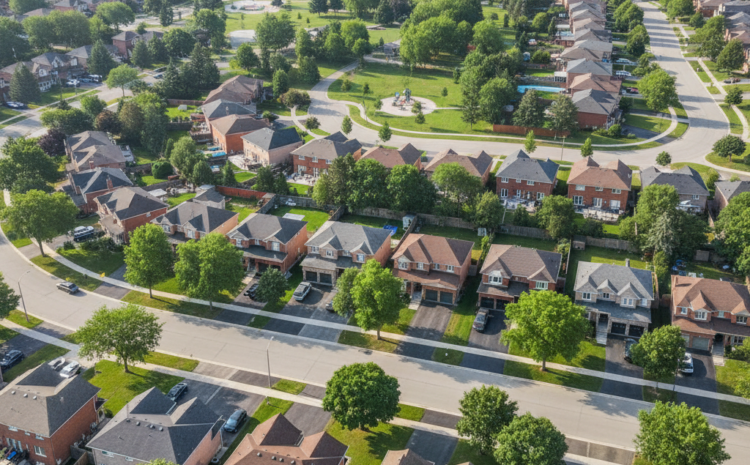
Cheaper Home Coverage in Ontario: Protect Your House in 2026
Cheapest home insurance in Ontario refers to securing essential coverage at a lower premium without stripping out protections you actually need. In Whitby and across Ontario, Chase Insurance Brokers helps homeowners compare multiple insurers and customize limits, deductibles, and endorsements so you pay less while staying properly protected.
By Chase Insurance Brokers Ltd. | Last updated: 2026-05-06
In this complete guide:
- Quick Summary
- What is the “cheapest” policy, really?
- Why finding real value matters
- How Ontario home insurance works
- Policy types and key endorsements
- Where to shop: direct vs broker vs aggregator
- Buying guide: 9 steps to better, cheaper coverage
- Best practices that lower claims and premiums
- Tools and resources
- Real Ontario examples
- FAQ
- Conclusion + next steps
Quick Summary
The cheapest home insurance in Ontario balances premium, coverage limits, and loss-prevention. Start by right-sizing your rebuild limit, adding must-have water endorsements, and increasing deductibles you can afford. Then compare multiple insurers through a licensed broker to match your risk profile with carriers that rate your home most favorably.
Getting the lowest number on a quote isn’t the goal—getting the right protection for less is. We’ll show you how to trim waste, avoid hidden gaps, and use a Whitby-based brokerage to compare options quickly. Expect a practical checklist, a comparison table, and action steps tailored to Ontario homeowners.

What is the “cheapest” home insurance in Ontario?
“Cheapest” means the lowest sustainable premium for the coverage you truly need, not the bare minimum. In Ontario, that usually includes a proper rebuild limit, personal liability, and targeted water damage endorsements. The best value comes from matching your home’s risks with the insurer that prices those risks most competitively.
In our experience advising homeowners across Whitby and the GTA, the policies that age well aren’t stripped-down. They’re lean and tuned: correct replacement cost, smart deductibles, and endorsements aligned to local weather and infrastructure realities. You keep the must-haves and remove the nice-to-haves that don’t justify their premium.
- Core protections to keep: dwelling (rebuild), personal property, additional living expenses, and personal liability.
- High-impact add-ons: sewer backup, overland water, service line, equipment breakdown.
- Flexible levers: deductibles, scheduled items, alarm/monitoring credits, claims-free longevity.
Here’s the thing: policies rated “cheap” upfront can become very expensive at claim time if key gaps exist. The smarter route is to tune your coverage and then shop multiple markets through a broker with broad carrier access.
Why finding real value matters
Choosing real value over rock-bottom price reduces claim surprises, protects equity, and stabilizes renewals. A right-sized Ontario home policy with targeted water coverage and practical deductibles can prevent out-of-pocket shocks and help you stay insurable after severe-weather events.
Ontario weather is variable: rapid thaws, heavy rain, and summer storms can overwhelm local systems. Water damage is a leading source of homeowner claims, and many standard policies exclude specific water perils unless endorsed. If you only chase the lowest quote, you risk excluding the very events most likely to occur.
- Equity protection: Proper rebuild coverage protects renovations and materials cost trends.
- Financial stability: Deductibles you can truly handle prevent emergency cash strain.
- Insurability: Fewer claims and prevention devices can improve how carriers rate your address.
We’ve found that homeowners who invest in prevention—sump pumps, leak sensors, and secure roofs—often see better outcomes over time. Insurers look at both your individual risk and neighborhood patterns; presenting a well-maintained home matters.
How Ontario home insurance works
Ontario insurers price home insurance by evaluating your dwelling details, claim history, neighborhood risk, and selected coverages. Premiums reflect rebuild cost, age of roof and systems, water exposure, security features, and deductibles. Brokers place you with carriers that rate your profile most competitively.
Underwriting blends home-specific details with regional data. Your roof age, wiring type, heating system, and proximity to water influence risk. Endorsements like sewer backup or overland water add protection where base policies exclude or limit certain perils.
- Dwelling characteristics: square footage, construction, year built, roof/wiring/plumbing updates.
- Location signals: prior weather events, fire hydrant distance, local water-table behavior.
- Occupancy/use: primary, seasonal, rental; presence of home-based business exposures.
- Coverage/deductibles: limits selected and your chosen all-peril or split deductibles.
- Loss history: past claims for you and, in some carriers’ models, at the postal code level.
Because each insurer’s model weighs these inputs differently, quotes vary. That’s where a brokerage like Chase Insurance Brokers—partnered with multiple Canadian insurers—finds a better fit for you without sacrificing essentials.
Policy types and key endorsements
Most Ontario homeowners choose comprehensive (all-risk) policies for the dwelling and contents. To truly minimize out-of-pocket losses, add targeted endorsements such as sewer backup, overland water, service line, and equipment breakdown. These address common, high-impact gaps in standard forms.
Policy forms differ by scope. A named-perils form lists covered dangers; a comprehensive form covers all risks except what’s excluded. Many water losses are excluded or sub-limited unless you add endorsements. Matching endorsements to your property’s vulnerabilities is how you stay “cheap” and protected.
- Comprehensive (all-risk): Broadest day-to-day protection; exclusions still apply.
- Named perils: Lower premium, narrower scope; be sure the listed perils fit your risk.
- Sewer backup: Covers damage from drain or sump failure-related backflow.
- Overland water: Addresses surface water entering from heavy rain or rapid melt.
- Service line: Repairs underground utility lines you own (water, power, telecom).
- Equipment breakdown: Sudden failure of HVAC, appliances, and home systems.
Consider scheduling high-value items (jewelry, art) to remove sub-limits and deductibles. If you have a finished basement or live near flood-prone zones, prioritize water endorsements and prevention devices to reduce both loss severity and future premiums.
Where to shop: direct vs broker vs aggregator
To get truly cheap-but-right coverage, compare multiple carriers. Direct writers offer one brand’s rate, aggregators collect leads, and licensed brokers like Chase Insurance place you with several insurers and help optimize deductibles, endorsements, and discounts to preserve protection while lowering premium.
Different shopping models produce different outcomes. The table below compares common routes Ontario homeowners use. Focus on market access, advice quality, and how easily you can customize coverage—not just headline pricing.
| Shopping route | Market access | Advice & tuning | Customization ease | Who it fits |
|---|---|---|---|---|
| Direct writer (single brand) | One carrier | Basic, brand-specific | Limited to one product suite | Simple homes with few endorsements |
| Quote aggregator (lead site) | Multiple carriers via referrals | Minimal; you’ll still work with a provider | Varies; mostly a starting point | Rate curiosity, early research |
| Licensed broker (Chase) | Several carriers (e.g., Aviva, Intact, Economical) | Advisory + coverage tuning | High; endorsements and deductibles tailored | Most Ontario homeowners seeking value |
When you’re ready to compare, start with a streamlined intake. Our home insurance comparison page and our Ontario home checklist explain what to gather so we can match you with the right market faster.
Buying guide: 9 steps to better, cheaper coverage
To get cheaper home insurance in Ontario, right-size your rebuild limit, pick a deductible you can handle, add targeted water endorsements, document risk controls, and compare several insurers through a broker. This process preserves essential protection while lowering the price you pay each year.
- Confirm rebuild value: Share square footage, finishes, and updates so we can model an accurate replacement cost. Avoid underinsuring; it can reduce claim payouts.
- Pick a realistic deductible: Higher deductibles reduce premium. Choose a level you can manage in an emergency.
- Target water endorsements: Add sewer backup and overland water if you have a finished basement or local flood risks.
- Harden your home: Install monitored alarms, leak sensors, and backwater valves; maintain roof and grading.
- Bundle wisely: Combine home and auto when it makes sense; coordination often yields meaningful savings. See our home and auto bundle guide.
- Disclose truthfully: Accurate details protect claims; undisclosed renovations or rentals can jeopardize coverage.
- Review valuables: Schedule high-value items to remove sub-limits and ensure proper reimbursement.
- Compare carriers: Use a broker to access multiple markets beyond a single brand or lead site.
- Reassess annually: Update limits after renovations and revisit deductibles as your savings change.
Need a hand? Our Whitby team streamlines this checklist and explains tradeoffs in plain language. If you rent out a unit or own a second property, we’ll coordinate rental property coverage with your primary home policy.
Best practices that lower claims and premiums
Lower premiums follow lower risk. Maintain roofs and caulking, add water sensors and backwater valves, secure doors and windows, and service HVAC. Document updates, install monitored alarms, and keep a home inventory. Safer homes tend to claim less and often receive more favorable ratings.
- Water defense: Sump pump with battery backup, backwater valve, smart leak sensors, proper grading, and gutter maintenance.
- Roof and envelope: Replace aging shingles, reseal around vents, and inspect after major wind events.
- Electrical and heating: Modern breakers, CSA-approved devices, furnace and chimney servicing.
- Security: Monitored alarm, deadbolts, exterior lighting, and camera coverage.
- Documentation: Photos of upgrades, receipts, and a simple inventory stored offsite.
We routinely see fewer headaches when homeowners combine prevention with the right endorsements. It’s a simple formula: control what you can at home, then use the policy to transfer the rest.
Tools and resources
Use checklists, inventories, and credible homeowner guides to strengthen your application and reduce losses. Gather renovation records, appliance ages, and roof details, and maintain an up-to-date photo inventory. These tools help you qualify for better terms and prove ownership at claim time.
For a deeper prep, start with our internal resources and practical homeowner guides that complement your insurance planning.
- Prepare with our complete home insurance checklist for Ontario.
- Compare markets on our home insurance comparison page.
- Learn how bundling works in our home and auto bundle overview.
- New to homeownership? This legal primer on closing costs in Ontario is a helpful planning aid.
- Renovating or pricing updates? Review this guide on understanding your home’s value to align coverage with improvements.
- For broader context while budgeting, see this overview of Ontario closing cost categories.
Keep copies of invoices and photos; they speed up claims and validate replacement quality. When you’re organized, underwriting goes smoother and options often improve.
Free coverage review, no pressure. If you want a quick second opinion on limits, deductibles, and water endorsements, our team will review your current declarations and highlight improvement opportunities. We’ll suggest practical changes that protect your home and often reduce premium.
Request your Ontario home review in minutes.

Real Ontario examples (mini case insights)
Tuning coverage, adding targeted water endorsements, and matching the right carrier consistently drives better outcomes. These brief Ontario scenarios show how small changes—like leak sensors or a deductible shift—help secure cheaper premiums without weakening protection.
Whitby bungalow with finished basement
- Context: 1980s detached home, recent roof, finished basement with new flooring.
- Action: Added sewer backup and overland water; installed a smart leak sensor near water heater.
- Result: Broader water protection and a favorable carrier match through our brokerage access.
GTA townhouse seeking a bundle
- Context: Townhome owner with one compact car.
- Action: Bundled home and auto, increased deductible to a manageable level, documented alarm monitoring.
- Result: Streamlined renewals and a lower combined premium with retained comprehensive coverage.
New landlord with a secondary property
- Context: Owner moved to a new primary residence; prior home converted to rental.
- Action: Coordinated rental property policy with primary home insurance; verified tenant contract terms and liability.
- Result: Proper occupancy classification and carrier selection, avoiding claim complications.
Condo owner relocating within Ontario
- Context: Downtown condo owner moving to a new unit with different bylaws.
- Action: Reviewed strata/condo corporation responsibilities; adjusted betterments and improvements coverage.
- Result: Accurate limits for interior finishes and a clean binder at move-in.
Local considerations for Whitby
- Seasonal thaws and lake-effect snow can push water toward foundations. Prioritize grading, downspout extensions, and consider overland water plus sewer backup endorsements.
- Spring storm patterns can strain sump systems. Test pumps, add battery backups, and place leak sensors near water heaters and laundry areas.
- Rapid regional growth means renovations are common. Keep permits, contractor invoices, and photos so rebuild limits reflect current finishes.
Frequently Asked Questions
Ontario homeowners get cheaper premiums by matching coverage to real risks, installing prevention devices, choosing deductibles they can manage, and comparing several insurers through a licensed broker. Keep water endorsements in scope; they address some of the most common and costly home losses.
How do I find the cheapest home insurance in Ontario without losing protection?
Right-size your rebuild limit, select a deductible you can afford, and add targeted water endorsements. Then compare several insurers through a licensed broker who can tailor discounts and terms. Focus on value, not just the lowest quote, so coverage holds up at claim time.
Which endorsements matter most for Ontario homes?
Sewer backup and overland water are the big two for many Ontario properties, especially with finished basements. Service line and equipment breakdown also protect common, high-cost failures. Choose based on your home’s location, age, and systems.
Do home and auto bundles really help?
Yes. Coordinating home and auto with the same insurer can streamline renewals and often reduces the combined premium. A broker can quickly test bundle options across multiple carriers to see where you qualify for the best overall value.
What documents should I keep to support a claim?
Keep photos of rooms and valuables, receipts for renovations and major purchases, and service records for your roof, HVAC, and sump system. Store a digital copy offsite or in the cloud. Good records speed up adjuster reviews and help validate replacement quality.
I’m renovating—when should I alert my broker?
Before work begins. Materials and layout changes alter your rebuild value and, in some cases, occupancy or liability. Telling your broker upfront helps you avoid coverage gaps and ensures limits match your upgraded finishes when the project is complete.
Conclusion + next steps
The best way to get the cheapest home insurance in Ontario is to control risk at home, select targeted endorsements, and compare multiple insurers through a licensed broker. This approach preserves essential coverage and aligns you with the carrier that prices your profile most competitively.
- Key Takeaways
- “Cheapest” means tuned coverage, not bare-bones policies.
- Water endorsements address common Ontario losses.
- Prevention devices and maintenance improve insurability.
- Bundles and accurate details often unlock better terms.
- Annual reviews keep limits and deductibles aligned.
Ready for a clear, customized path? Compare options with our Whitby-based team today. Start at our home insurance comparison page or request a quick review using our Ontario home review form. Prefer to discuss? We’re here to help across the GTA and all of Ontario.


1 Comment
[…] For a deeper market overview, see our Ontario savings guide. […]