

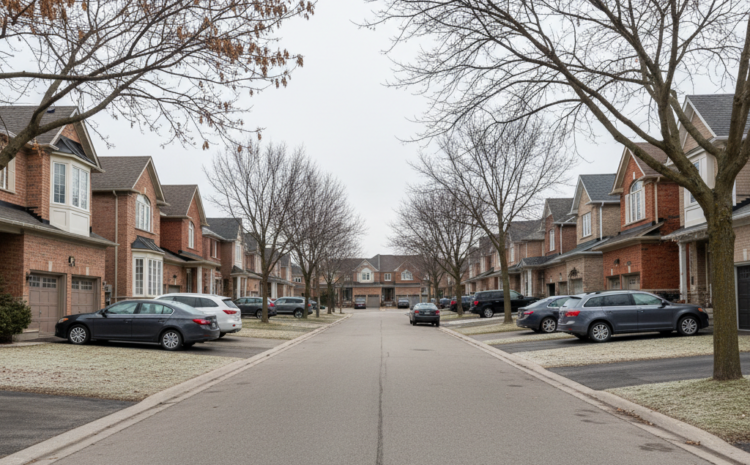
Is Comprehensive Auto Insurance Worth It in Ontario?
Comprehensive auto insurance in Ontario protects your vehicle from non-collision losses like theft, vandalism, weather, glass, and falling objects. It is worth it for most drivers with newer or financed cars, in higher-theft or storm-prone areas, or with expensive glass and sensors. If you’re searching “comprehensive auto insurance worth it Ontario,” the short answer is yes—when your risk and vehicle value justify it.
By Chase Insurance Brokers Ltd. — 400 Dundas St E G-T4A, Whitby, ON • Last updated: 2026-04-12
Quick Answer
For Whitby and Ontario drivers, comprehensive coverage pays for non-collision damage—think theft, weather, glass, and vandalism. At our office at 400 Dundas St E G-T4A, Chase Insurance Brokers Ltd. helps you decide if it’s worth it by comparing carrier options and deductibles across multiple insurers. In short, it’s valuable when your car’s risk and replacement parts are high.
Above the Fold: Why This Guide Matters + Table of Contents
Use this guide to decide if comprehensive auto insurance fits your Ontario driving reality. You’ll see what it covers, when it pays off, how deductibles work, and real Whitby examples. Jump to sections below for quick comparisons, a decision checklist, tools, and case studies tailored to Ontario risks.
- What Is Comprehensive Auto Insurance?
- Why It Matters in Ontario
- How Comprehensive Works (Deductibles, Claims)
- Comprehensive vs. Collision vs. Liability
- Best Practices & Decision Rules
- Tools & Resources (Ontario)
- Case Studies & Real-World Examples
- FAQ
- Key Takeaways
- Conclusion & Next Steps
Overview
Comprehensive insurance handles non-collision losses—events you don’t control, like theft, weather, and vandalism. In Ontario, it’s optional but widely recommended for newer or financed vehicles, high-theft areas, and cars with expensive glass and sensors. Your decision hinges on risk, vehicle value, deductibles, and claim probability.
- Goal of this guide: Help Ontario drivers decide when comprehensive coverage pays off—fast.
- Who it’s for: New car buyers, commuters in the GTA, families in Whitby/Durham, and small business owners with personal-use vehicles.
- What you’ll get:
- Clear definition and coverage list with Ontario examples
- Side-by-side comparison to collision and liability
- Deductible guidance and claim timelines
- Decision checklists, tables, and quick rules of thumb
- Local tips for Whitby and the GTA
Local Tips
- Tip 1: Along Dundas St E and Brock St S in Whitby, overnight street parking can increase exposure to tree limbs and theft. Garage your car or use a driveway when possible.
- Tip 2: Durham Region wind and freeze-thaw cycles can crack windshields; consider a glass-friendly deductible before late fall.
- Tip 3: If you commute on Highway 401/407, ask our team about recent theft and weather claim patterns to fine-tune your comprehensive choice.
IMPORTANT: These tips align with Chase Insurance Brokers’ focus on tailored auto coverage across Ontario from our Whitby office.
What Is Comprehensive Auto Insurance?
Comprehensive auto insurance covers non-collision damage to your car, including theft, vandalism, fire, weather, glass, falling objects, and animal strikes. In Ontario, it’s optional but commonly paired with collision for full physical damage protection, especially on newer or financed vehicles.
- Core definition: Protection for your vehicle against non-collision perils.
- Theft, attempted theft, and catalytic converter theft
- Vandalism and malicious mischief
- Fire, explosion, and smoke
- Weather: hail, wind, ice, flood, lightning
- Glass: chips, cracks, shattered windshields (subject to deductible/policy terms)
- Falling objects: branches, ice, debris
- Animal strikes: deer and wildlife encounters
- What it does NOT cover:
- Collision with another vehicle or object while driving (that’s collision coverage)
- Liability for injuries or property damage you cause to others (that’s liability)
- Mechanical breakdown or normal wear and tear
- Ontario context:
- Optional, but often required by lenders on financed/leased vehicles
- Claim payment is limited by actual cash value (depreciation applies)
- Deductible applies per claim; choose a level that fits your risk tolerance
Want a deeper dive into coverage layers? See our plain-English breakdown in auto insurance coverage types explained to understand how comprehensive fits with the rest of your policy.
Why Comprehensive Matters in Ontario
Ontario drivers face theft clusters, fast-changing weather, wildlife crossings, and urban parking risks. Comprehensive addresses those non-collision losses. It’s often worth it when your vehicle’s value, parts costs, or exposure to storms and theft make a single claim more likely than you expect.
- Theft exposure in the GTA:
- Catalytic converter and keyless-entry thefts remain a concern in suburban driveways and commuter lots.
- Parking near transit hubs or leaving vehicles outdoors overnight increases exposure.
- Weather volatility:
- Windstorms, hail, and ice events can down branches and damage vehicles in minutes.
- Freeze-thaw cycles in late fall and early spring elevate glass crack risks.
- Wildlife corridors:
- Rural highways east of Whitby and cottage routes see seasonal spikes in deer strikes.
- Comprehensive typically responds to animal contact (verify your insurer’s language).
- Modern vehicle tech:
- ADAS sensors and cameras embedded in bumpers and windshields can be expensive to replace.
- One non-collision event may trigger calibration steps—another reason comprehensive can be valuable.
In our experience advising drivers across Whitby and Ontario, a single weather or theft claim can justify comprehensive for vehicles with even modest technology packages. The key is matching your deductible to your realistic exposure.
How Comprehensive Works: Deductibles, Claims, and Payouts
Comprehensive claims subtract your chosen deductible from the covered repair or actual cash value payout. You report promptly, document damage, and coordinate with your insurer’s approved shops or glass vendors. Ontario policies pay up to the vehicle’s depreciated value, minus the deductible.
- Deductible basics:
- Applies per comprehensive claim.
- Higher deductibles lower premiums but increase your out-of-pocket at claim time.
- Choose a level you can comfortably pay immediately.
- Typical claim flow (Ontario):
- Ensure safety first. Move to a safe area if possible and call authorities when needed.
- Document damage with photos/video; keep receipts for temporary fixes (e.g., tarps).
- Notify your insurer or broker promptly. We help you understand next steps and timelines.
- Assessment occurs (virtual or in-person). Approved shop or glass partner provides an estimate.
- Insurer pays covered amount minus your deductible; ACV applies if vehicle is written off.
- Repair logistics:
- Insurers often have preferred shops and glass vendors to streamline scheduling.
- Calibration may be required for ADAS features after windshield replacement.
Need help matching deductibles to your situation? Our team compares options from multiple carriers and walks you through how a claim would play out for your specific vehicle and commute.
Comprehensive vs. Collision vs. Liability: Side-by-Side
Liability covers others when you’re at fault. Collision repairs your vehicle after impact with vehicles or objects. Comprehensive handles non-collision perils like theft, weather, vandalism, glass, and animals. Many Ontario drivers choose all three for full protection, especially when a lender requires physical damage coverage.
| Coverage Type | What It Covers | Applies To | Key Notes (Ontario) |
|---|---|---|---|
| Liability | Injuries/property damage you cause to others | Other people/vehicles/property | Mandatory; limits vary; does not repair your car |
| Collision | Your car after at-fault crashes with vehicles/objects | Your vehicle | Optional; often paired with comprehensive |
| Comprehensive | Theft, weather, vandalism, fire, glass, animals, falling objects | Your vehicle | Optional; lender may require on financed/leased cars |
Want more on these layers? Our guide to property damage liability coverage explains the liability side in Ontario, and our coverage types explained article shows how they fit together.
Best Practices: When Comprehensive Is Worth It
It’s worth adding comprehensive when your vehicle is newer or financed, parked outdoors, driven or parked in higher-theft areas, exposed to storms, or has costly glass/sensors. If your car’s value is low and you garage it in a low-risk area, comprehensive may be optional.
Rule-of-Thumb Checklist
- Choose comprehensive if:
- Your car is newer, financed, leased, or has high market value.
- You park outside overnight or near trees/power lines.
- You commute through areas with elevated theft or vandalism risk.
- Your vehicle has advanced sensors/cameras in the windshield or bumpers.
- Deer/wildlife crossings are common on your route or at your destination.
- Consider skipping if:
- Your vehicle’s value is low and you can afford to self-insure smaller losses.
- You garage your car and primarily drive in low-risk, low-theft neighborhoods.
- You prefer to allocate premium to higher liability limits instead.
Deductible Selection Tips
- Pick a deductible you can comfortably pay today without stress.
- Frequent highway driving with stone chips? Consider a deductible that keeps glass claims practical.
- Garage-parking and low exposure? A higher deductible may be reasonable.
Decision Flow (Step-by-Step)
| Step | Question | Action |
|---|---|---|
| 1 | Is the car financed/leased or above modest market value? | If yes, add comprehensive; lender often requires it. |
| 2 | Is parking outdoors or in higher-risk areas common? | If yes, add comprehensive; set a practical deductible. |
| 3 | Do storms, wildlife, or tree cover raise your exposure? | If yes, add comprehensive; plan for seasonal risks. |
| 4 | Would a single non-collision claim strain your budget? | If yes, add comprehensive; refine deductible with a broker. |
| 5 | Is the car older with low ACV and low exposure? | If yes, consider skipping; redirect to liability limits. |
Prefer a walkthrough? Our team can compare options across carriers. See our framework in how to choose auto insurance in Ontario for a broader decision process.
Tools & Resources (Ontario Drivers)
Use a short list of tools to make a confident choice: a risk exposure worksheet, a deductible comfort check, a claims-prep kit, and a broker-led comparison across multiple insurers. These resources simplify decisions and reduce surprises at claim time.
- Exposure snapshot worksheet:
- List daily parking locations (home, work, transit lots).
- Note tree cover, flood-prone spots, and theft patterns you’ve seen.
- Mark seasonal changes (fall winds, spring freeze-thaw, cottage trips).
- Deductible comfort check:
- Pick the number you can pay immediately without financial stress.
- Stress-test it against a glass replacement or a vandalism repair scenario.
- Claims-prep kit (glovebox):
- Disposable gloves, phone charger, emergency blanket, marker and notepad.
- Simple steps: photos, location notes, police file (if applicable), broker number.
- Broker comparison across carriers:
- We compare options from multiple Canadian insurers to fit your risk profile.
- We explain differences in glass treatment, roadside perks, and repair networks.
- Learning hub articles:
- Start with coverage types explained for context.
- Use how to choose auto insurance Ontario to structure your decision.
Case Studies & Real-World Examples (Whitby + Ontario)
These short, Ontario-based scenarios show when comprehensive pays off. Each example highlights a common non-collision risk—glass, theft, weather, falling objects, and wildlife—and how a well-matched deductible and carrier choice reduce stress and downtime.
- Whitby driveway, late fall:
- Overnight windstorm drops a heavy limb onto a parked crossover.
- Comprehensive responds; deductible applies. Preferred body shop and quick parts availability minimize downtime.
- Ajax commuter lot, weekday:
- Attempted theft damages the door lock and scratches the panel.
- Comprehensive addresses vandalism-related repairs after photos and police file.
- 401 stone chip to crack:
- A small chip spreads across an ADAS-equipped windshield within 24 hours.
- Comprehensive facilitates replacement and post-install calibration through an approved vendor.
- Rural Durham deer contact:
- Evening wildlife strike dents the hood and breaks a headlamp.
- Comprehensive typically covers animal contact; deductible applies.
- Condo parking, catalytic converter theft:
- Vehicle starts loudly; inspection reveals missing catalytic converter.
- Comprehensive responds to theft-related losses after reporting.
- Toronto hail band:
- Pop-up hail dents the hood and roof during a summer storm.
- Comprehensive enables paintless dent repair through preferred shops.
In our experience, early documentation—clear photos, timestamps, and a brief written summary—helps claims move faster. We guide clients through each step and coordinate with the insurer’s repair and glass partners.
FAQ: Comprehensive Insurance in Ontario
Comprehensive is optional in Ontario but widely chosen for newer or financed vehicles and higher-risk parking or commuting patterns. It handles non-collision perils and uses a deductible. Pair it with collision and solid liability limits for a balanced, Ontario-ready policy.
- Is comprehensive mandatory in Ontario?
No. Liability is mandatory; comprehensive is optional. Lenders often require comprehensive and collision on financed or leased vehicles.
- Does comprehensive cover deer or animal strikes?
Typically yes for direct animal contact, but always confirm the exact wording on your policy. We review insurer wording with clients so there are no surprises.
- Is windshield glass included?
Glass damage is usually handled under comprehensive, subject to your deductible and insurer terms. Some carriers offer glass-friendly options—ask us to compare.
- How do deductibles affect me?
Your deductible is the amount you pay out of pocket on a covered comprehensive claim. Higher deductibles may reduce premiums but increase what you pay when a claim occurs.
- What if my car is older?
If your car’s value is low and you park in a low-risk area, you may skip comprehensive and focus on strong liability limits. We’ll help you weigh that trade-off.
Glass, Sensors, and Modern Repairs: Why a Small Chip Matters
Windshields now house sensors and cameras for safety features. A small chip can become a costly crack and require calibration. Comprehensive can cover replacement and calibration under policy terms, making your deductible choice key for frequent highway commuters.

- Chip-to-crack risk: Temperature swings and road vibrations turn tiny chips into long cracks.
- ADAS calibration: Many vehicles require camera/radar calibration after glass replacement.
- Deductible fit: Highway drivers often prefer a deductible that keeps glass claims practical.
For a full policy view, scan our coverage types explained article and then tailor comprehensive with a deductible that matches your commute.
Storms, Falling Objects, and Parking Exposure
Ontario’s wind, hail, and ice events can damage parked cars within minutes. Comprehensive typically addresses storm and falling-object damage. Your practical move is to combine smart parking habits with a deductible that reflects outdoor exposure at home and work.
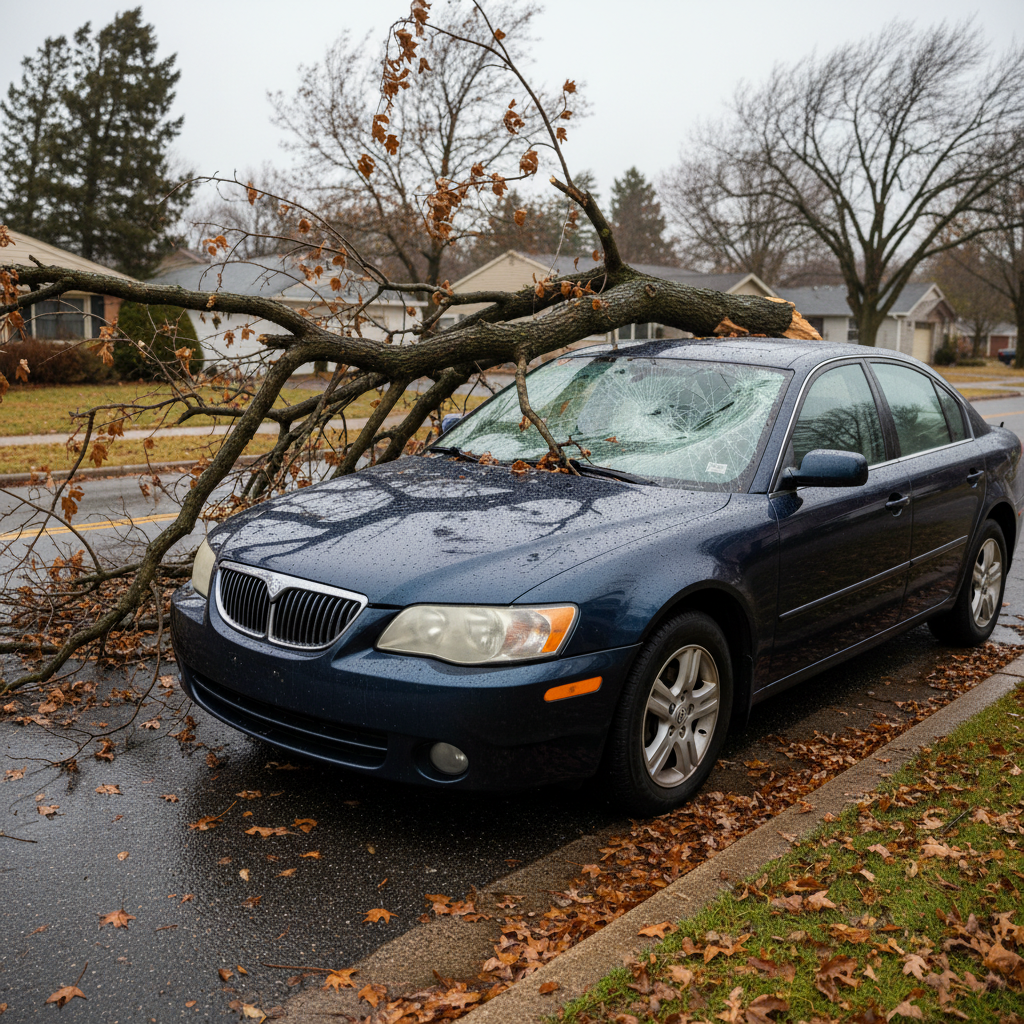
- Whitby examples: Tree-lined streets near parks see limb drops in fall wind bands.
- Work parking: Surface lots without shelter increase hail and debris exposure.
- Transit lots: Longer parking windows raise both weather and theft risk.
We routinely help drivers pair practical parking strategies with policy settings that make sense season by season—especially during fall winds and spring freeze-thaw cycles.
Key Takeaways
Comprehensive covers the non-collision losses most Ontario drivers eventually face—glass, theft, weather, vandalism, animals. It’s usually worth it for newer or financed cars and outdoor parking routines. The right deductible and a broker’s carrier comparison make it work smoothly.
- Comprehensive = non-collision damage: theft, weather, glass, vandalism, animals, falling objects.
- Worth it when vehicle value, parts, or exposure are high; optional for older, low-value cars.
- Deductible choice is pivotal—pick a number you can pay today.
- Broker support accelerates claims and clarifies wording differences.
- For searchers asking “comprehensive auto insurance worth it Ontario,” the answer is yes for most newer vehicles and higher-risk routines.
Conclusion & Next Steps
Choose comprehensive if a single non-collision loss would seriously impact your budget or mobility. Pair it with collision and strong liability limits for a balanced Ontario policy. A broker can tailor deductibles and carrier options to your exact commute, parking, and vehicle tech.
- Action steps:
- Map your risks (parking, commute, weather, wildlife).
- Pick a deductible you can pay immediately.
- Compare carrier wording and glass handling with a broker.
- Reassess annually or after major life/vehicle changes.
- Talk to us: From our Whitby office, we match you with options from multiple Canadian insurers, aiming to streamline claims and reduce surprises.
Need a second opinion on comprehensive?
Get a quick, no-obligation assessment from our team. We’ll compare deductibles and coverage wording across carriers so you know exactly when comprehensive is worth it for your car and commute.
Explore our Ontario-focused playbook in how to choose auto insurance Ontario and best auto insurance broker in Ontario.
Related Articles
Looking to round out your Ontario policy? Explore liability limits, collision add-ons, and seasonal driving checklists. A balanced policy pairs strong liability with the right physical damage coverages and deductible strategy tailored to your routes and parking.
- Understanding liability limits and why they matter alongside comprehensive.
- Collision coverage: when repairs to your own car matter most.
- Seasonal checklists for glass, storms, and wildlife across Ontario.
Content note: Ontario regulations and insurer offerings evolve. For current requirements and consumer protections, consult the Financial Services Regulatory Authority of Ontario (FSRA) and speak with a licensed broker.


4 Comments
[…] options? Our primer on when Comprehensive is worth it helps you decide how to adjust as vehicles […]
[…] request on our Ontario auto quote page, or explore our guide to deductibles in Ontario and whether Comprehensive coverage is worth it for your […]
[…] you’re ready to fine-tune auto specifics, our Is comprehensive insurance worth it? guide shows how optional protections fit into real Ontario […]
[…] Related read: Our primer on comprehensive coverage in Ontario. […]