

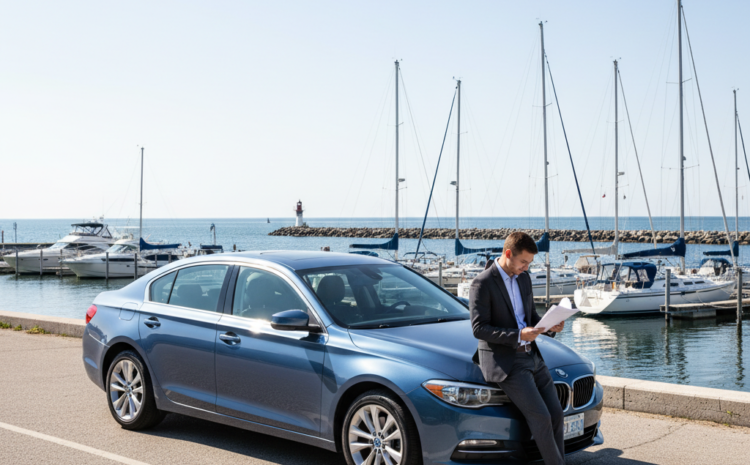
How to Choose Auto Insurance Ontario: Save Up to 30%
You spend a lot of time on Ontario roads—maybe cruising along Lake Ontario in Whitby or battling Highway 401 into Toronto. The policy you carry shouldn’t be guesswork. This expert guide shows you how to choose auto insurance Ontario drivers can rely on, with a clear, step-by-step process you can follow in an afternoon.
- Understand mandatory coverages and what they actually protect.
- Decide which endorsements solve real problems in your daily driving.
- Compare quotes the smart way—apples-to-apples—without sacrificing protection.
- Use a Whitby-based broker to shop multiple insurers quickly and simply.
Overview
- Who this is for: Ontario drivers, families adding teen drivers, newcomers to Canada, and small business owners who use their vehicles daily.
- What you’ll get: A practical checklist, 10 clear steps, troubleshooting fixes, and local Whitby tips.
- Why it matters: The right setup protects your family, keeps you on the road, and avoids nasty surprises at claim time.
Quick Answer
To figure out how to choose auto insurance Ontario drivers should start with mandatory protections, then layer endorsements that match their commute and vehicle. At our Whitby office (400 Dundas St E G-T4A), Chase Insurance Brokers compares multiple insurers and explains options in plain English so you can choose confidently.
Quick Summary
- Must-have coverages: Third-party liability, accident benefits, DCPD (direct compensation–property damage), uninsured automobile.
- Smart add-ons: Collision, comprehensive, OPCF 20 (loss of use), OPCF 27 (non-owned auto), OPCF 43 (depreciation waiver), OPCF 44R (family protection).
- How to compare: Standardize drivers, vehicles, limits, deductibles, and endorsements across all quotes.
- When to review: New address, new driver, new vehicle, claim, job/commute change, or at every renewal.
- Local help: Our Whitby team shops Aviva, Intact, Economical, Echelon, Jevco, and Premier for you.
Before You Start (Prerequisites)
Set the table properly and your quote comparison gets faster—and more accurate.
Know Ontario’s mandatory protections
- Third-party liability (TPL): Covers you if you injure someone or damage property. Many households raise the limit for added peace of mind.
- Accident benefits (AB): Pays for medical/rehabilitation care, income replacement, and more after a crash, regardless of fault.
- Direct compensation–property damage (DCPD): Handles vehicle damage when you’re not at fault in Ontario collisions, via your own insurer.
- Uninsured automobile: Protects you if you’re injured by an uninsured or unknown driver.
Why this matters: These coverages are non-negotiable for legal driving in Ontario. Your customization begins after you’ve met the baseline.
Gather details carriers actually use
- Driver info: License class (G1/G2/G), years licensed in Canada, continuous insurance history, tickets/accidents in the last 6 years.
- Vehicle info: Year/make/model, VIN, safety features, anti-theft devices, winter tires, lease/finance status.
- Usage and mileage: Daily Whitby–Toronto commute on Highway 401 vs. local weekend trips, annual kilometers, occasional business use.
- Where it lives: Postal code and parking (street, driveway, garage) affect risk and rating.
Example: A Whitby family adding a G2 driver and installing winter tires can unlock underwriting credits—if those facts are captured on the application.
Define your risk tolerance (on paper)
- Deductibles: Higher deductibles can lower premiums but mean you’ll pay more out of pocket when claiming.
- Endorsements: Choose add-ons that fix real-life problems (rental needs, new car depreciation, rental car coverage).
- Claims philosophy: If you’d self-insure small dings, set deductibles accordingly and protect against big losses.
Tip: A two-minute “what would we do if…?” conversation saves chaos later—align on rentals, towing, and preferred repair shop plans.

Step-by-Step: How to Choose Auto Insurance Ontario Drivers Trust
Use these ten practical steps to build a policy that fits your life—not the other way around.
Step 1: Map your real-world risk
- Commute profile: Daily Whitby–Toronto 401 traffic raises collision exposure; local-only driving doesn’t.
- Parking realities: Street or open lot parking increases theft and vandalism risk versus a locked garage.
- Weather: Ontario winters favor roadside assistance and winter tires.
Action: List your top three exposure points (e.g., collision, theft, rental needs). They’ll guide every coverage choice coming next.
Step 2: Set liability and accident benefits first
- Raise TPL thoughtfully: Many households increase liability limits for stronger lawsuit protection.
- Adjust AB options: Consider higher medical/rehab or income replacement if your household depends on a single income.
- Family protection (OPCF 44R): Adds a safety net if you’re hit by an underinsured driver.
Local example: A Whitby contractor who drives site-to-site may prioritize higher liability plus OPCF 44R to safeguard family finances.
Step 3: Choose physical damage coverage wisely
- Collision: Repairs or replaces your car after at-fault or single-vehicle incidents.
- Comprehensive: Theft, fire, vandalism, weather, and falling objects.
- Deductible fit: Pick an amount you won’t regret paying tomorrow.
Rule of thumb: New or financed vehicles usually carry both collision and comprehensive; older cars sometimes go liability-only if you can absorb a total loss.
Step 4: Add endorsements that solve problems
- OPCF 20 (loss of use): Rental car coverage while yours is in the shop after a covered loss.
- OPCF 27 (non-owned auto): Extends coverage when you rent or borrow a vehicle.
- OPCF 43 (depreciation waiver): Protects new-vehicle value after a total loss within the specified period.
- Accident forgiveness: Where available, helps protect your record after a first at-fault accident.
Example: New SUV in Whitby? Pair OPCF 43 with OPCF 20 so a total loss doesn’t sting and you’re never stuck without wheels.
Step 5: Optimize discounts without cutting protection
- Bundle home + auto: When it’s the right fit, a single market can make management simpler.
- Telematics/UBI: Safe-driving apps reward smooth braking, daytime trips, and light mileage.
- Multi-vehicle/multi-policy: Families often qualify when adding a second car or specialty lines.
- Winter tires and anti-theft: Ontario credits often apply—be sure they’re recorded on file.
Reality check: A tiny discount isn’t worth a big coverage gap. Keep endorsements that protect your day-to-day.
Step 6: Compare quotes the right way
- Standardize inputs: Same drivers, vehicles, limits, deductibles, and endorsements on every quote.
- Scan exclusions: Territory, use cases (business/rideshare), and aftermarket mods can be limited.
- Claims service matters: Response time and preferred repair networks show up when life is hardest.
Broker advantage: Chase Insurance Brokers shops Aviva, Intact, Economical, Echelon, Jevco, and Premier for quick, apples-to-apples comparisons.
For more context on choosing a partner, see our short primer on choosing the right insurance broker.
Step 7: Read for the “gotchas”
- Depreciation windows: OPCF 43 has timelines and eligibility rules—know the details.
- Rental caps: OPCF 20 includes daily and total limits—match them to your real rental needs.
- Deductible stacking: Different deductibles for collision vs. comprehensive affect your out-of-pocket at claim time.
Action: Write three questions per quote. Ten minutes with a broker often clears them up.
Step 8: Choose payment and renewal rhythm
- Payment cadence: Select a schedule that fits your cash flow to avoid missed payments.
- Renewal alarms: Set a 30-day reminder before renewal to re-check limits, drivers, vehicles, and endorsements.
- Proof of insurance: Keep digital and paper copies handy for roadside stops or cross-border trips.
Tip: Ask about paperless delivery and e-pink slips for easy access.
Step 9: Set up a claims playbook
- Safety first: Check for injuries, move to safety, and call emergency services if needed.
- Document: Photos, notes, and police report (when appropriate) make claims smoother.
- Call your broker: We’ll guide next steps, timelines, and preferred repair options.
Outcome: Faster, calmer recoveries—fewer surprises.
Step 10: Re-review after life changes
- New address or job: Territory and commute changes can shift rating.
- New driver: G2 to G milestones merit quick updates.
- Vehicle change: Purchase, lease, or modifications require mid-term adjustments.
Good habit: Do a 15-minute coverage check at renewal—and anytime something big changes.
Need a quick expert review?
Book a 10-minute coverage check with our Whitby team. We’ll translate endorsements, compare markets, and get you set up without pressure. Explore more tips in our auto insurance articles.

Troubleshooting: Common Speed Bumps (and Fixes)
“My record isn’t perfect—can I still get coverage?”
- Usually, yes: Markets such as Echelon and Jevco often help higher-risk profiles.
- Improve over time: Tickets and at-fault accidents fall off with time and safe driving.
- Consider telematics: Usage-based insurance can showcase good habits to certain markets.
“I’m new to Canada. How do I transfer experience?”
- Bring proof: Letters from your previous insurer can help establish history.
- Translate clearly: Provide legible documents; we help underwriters verify.
- Start strong: Ask about newcomer-friendly markets in our portfolio.
“My vehicle is financed—what should I add?”
- Collision + comprehensive: Typically required by lenders.
- OPCF 43: Depreciation waiver helps protect early value on new vehicles.
- Rental coverage: OPCF 20 keeps you mobile while repairs happen.
“My premium jumped at renewal. Now what?”
- Re-shop: Carriers adjust rates; a broker can pivot to alternatives quickly.
- Update facts: Commute, winter tires, anti-theft, driver status—details matter.
- Right-size endorsements: Remove add-ons you no longer need; keep the ones that solve real risks.
Advanced Tips (Optional)
- Usage-based insurance (UBI): Great fit for low-mileage drivers with smooth driving patterns.
- Seasonal readiness: Switch to snow-rated tires by November; document for credits.
- Repair network savvy: Ask how preferred shops, parts policies, and timelines work before you need them.
- Endorsement timing: Add OPCF 43 at purchase for new cars; confirm eligibility windows.
- Business on wheels: If you carry tools or visit job sites, ask about commercial auto or a business package.
Want a market-wide perspective? See what makes a top auto insurance broker in Ontario and how that benefits your policy setup.
Coverage Comparison at a Glance
| Coverage/Endorsement | What it does | Mandatory? | Who typically adds it |
|---|---|---|---|
| Third-party liability | Protects you if you injure others or damage property | Yes | All drivers |
| Accident benefits | Medical, rehab, and income replacement after a crash | Yes | All drivers |
| DCPD | Your car’s damage when not at fault (Ontario) | Yes | All drivers |
| Uninsured automobile | Protects you from uninsured or unknown drivers | Yes | All drivers |
| Collision | Repairs or replaces your car after at-fault incidents | No | Newer/financed vehicles |
| Comprehensive | Theft, fire, vandalism, and weather damage | No | Urban or higher-theft areas |
| OPCF 20 | Rental car while yours is repaired after a covered loss | No | Single-vehicle households |
| OPCF 27 | Coverage when you rent or borrow a car | No | Frequent renters and travelers |
| OPCF 43 | Waives depreciation after total loss (new vehicles) | No | New car buyers |
| OPCF 44R | Family protection from underinsured drivers | No | Families and commuters |
Local Tips
- Tip 1: If you park near Whitby Harbor or use GO Transit lots along Brock Street, consider comprehensive for theft and weather exposure.
- Tip 2: Highway 401 winter conditions can change fast—install snow-rated tires by November and confirm the winter tire credit on file.
- Tip 3: New to the GTA? Tell us your usual routes (401, 407, Thickson, Rossland). Driving patterns help tailor telematics and deductibles.
IMPORTANT: These tips reflect our Whitby location and how Ontario markets rate real-world driving.
FAQ
How do I choose the right liability limit?
Start with what’s required, then consider worst-case scenarios. If you drive the 401 daily, carry passengers, or have assets to protect, raising limits is common. A broker can show how higher limits work alongside endorsements like OPCF 44R to protect your household from underinsured drivers.
Should I carry collision and comprehensive on an older car?
It depends on your vehicle’s value and your ability to absorb a loss. If a total loss wouldn’t derail your plans, liability-only can be reasonable. If theft or storms would seriously disrupt life, keeping comprehensive (and choosing a deductible you can live with) may make sense.
What’s the benefit of using a broker over a single insurer?
Choice and guidance. A broker shops multiple markets—Aviva, Intact, Economical, Echelon, Jevco, Premier—so you can compare coverage structures, endorsements, and claim service, not just the premium. You also get help with mid-term changes and claims.
Do telematics programs actually help?
For many drivers, yes. If you avoid hard braking, late-night trips, and heavy rush-hour mileage, usage-based programs can recognize that behavior. Ask how data is collected, what metrics matter, and whether the program stays optional at renewal.
How often should I review my policy?
At least once a year and any time life changes: new address, job, driver, or vehicle. A 10- to 15-minute review aligns coverage with your current reality and helps you catch new credits or necessary endorsements.
Additional Resources
- Ontario endorsements (OPCF) can feel confusing—ask us to translate each one into plain language and real-life examples.
- Graduated licensing (G1 → G2 → G) affects underwriting; note your dates when you request quotes.
- If you carpool or use rideshare, clarify how your policy responds before your next trip.
- New homeowners in Ontario? Bundling can simplify things—our overview of home insurance brokerage support shows how pairing lines may help.
- Curious about all personal and commercial options? Scan our quick guide to types of insurance in Canada.
Key Takeaways
- Start with mandatory protections, then tailor with endorsements that solve daily problems.
- Compare quotes on identical inputs—drivers, vehicles, limits, deductibles, endorsements.
- Use a Whitby-based broker to shop multiple Ontario markets quickly and clearly.
- Re-review after any life change to keep coverage aligned and effective.
Conclusion
Choosing auto coverage in Ontario gets simple when you focus on real risks—not just the price. Map your commute and parking realities, set liability and accident benefits first, then add endorsements that keep you moving when life happens. If you want help, our Whitby team at 400 Dundas St E G-T4A will compare markets like Aviva, Intact, Economical, Echelon, Jevco, and Premier and explain everything in plain English. You’ll leave with a policy you understand—and confidence behind the wheel.
Next steps:
- Gather driver, vehicle, and commute details.
- Request quotes online or call our Whitby office.
- Book a quick review to finalize limits and endorsements.


5 Comments
[…] a broader prep refresher? See our guide on how to choose auto insurance in Ontario for planning tips beyond […]
[…] context on policy choices, review whether Comprehensive coverage is worth it in Ontario and how to choose auto insurance in Ontario effectively. A few well-placed adjustments can make a meaningful difference in real claim […]
[…] to fine‑tune your coverage? Start here: our Ontario auto insurance guide explains coverage trade‑offs, and our savings checklist outlines proven steps drivers can […]
[…] a structured walk‑through? Our step‑by‑step on how to choose auto insurance shows how to line up coverages, deductibles, and optional add‑ons so you compare consistent […]
[…] each renewal maintain stronger coverage fit year after year. If you’re unsure where to begin, our how-to choose auto insurance guide lays out an advisor-style framework you can follow in 15 […]