
Home Insurance Ontario: What Is Covered?
Wondering about home insurance Ontario what is covered? You’re not alone. Ontario homeowners ask us this every week, and the answer matters—especially with bigger storms, finished basements, and rising rebuild standards across the province. This complete guide explains what’s protected, what isn’t, and the simple steps to personalize your policy so surprises don’t follow a claim.
Quick Answer
In Ontario, home insurance typically covers your house (dwelling), belongings, extra living costs during repairs, and personal liability—subject to limits and exclusions. For Whitby homeowners near 400 Dundas St E G‑T4A, Chase Insurance Brokers compares multiple Ontario insurers to clarify what’s covered and close gaps confidently.
Quick Summary
- Core coverages: Dwelling, detached structures, personal property, additional living expenses, and personal liability.
- Gaps to watch: Overland water, sewer backup, groundwater, earthquake, wear and tear, and business use—often fixable with endorsements.
- Policy choices: Named-perils vs. comprehensive (all-risk); replacement cost vs. actual cash value; deductible amounts.
- Smart add-ons: Water protection bundles, service line, equipment breakdown, bylaw/ordinance, home-sharing, and scheduled items.
- Next steps: Inventory your contents, check sub-limits, add targeted endorsements, and review annually with a broker.
Table of Contents
- What Is Ontario Home Insurance?
- Why Coverage Details Matter in Ontario
- How Home Insurance Works (Forms, Settlements, Limits)
- Home Insurance Ontario: What Is Covered?
- What’s Not Covered (and How to Fix It)
- Key Ontario Endorsements You’ll Actually Use
- Best Practices to Get Coverage Right
- Tools and Resources for Ontario Homeowners
- Ontario Scenarios and Mini Case Insights
- Your 30-Minute Policy Review Checklist
- FAQ
- Key Takeaways
- Conclusion & Next Steps
- Related Articles (Topics)
What Is Ontario Home Insurance?
At its core, home insurance protects your home, your belongings, and your liability if someone is injured or you accidentally damage someone else’s property. Ontario policies bundle property coverage with personal liability, creating a single package most homeowners carry.
Property Coverages You’ll See on Your Declarations Page
- Dwelling (Coverage A): Structure of your home—walls, roof, built‑ins, attached garage, deck.
- Detached structures (Coverage B): Sheds, fences, detached garage, backyard studio.
- Personal property (Coverage C): Furniture, clothing, electronics, appliances, tools.
- Additional living expenses (Coverage D): Hotel stays, meals, and related costs if a covered loss makes the home unfit to live in.
Liability Coverages That Protect Your Finances
- Personal liability: Legal defense and damages if you’re found negligent for bodily injury or property damage.
- Voluntary medical payments: Small, no‑fault medical reimbursement for minor guest injuries.
- Voluntary property damage: Goodwill coverage for accidental damage you cause to others’ property.
For a plain-English walkthrough tailored to your home, our Ontario team can review your current policy against options from multiple insurers on our home insurance service page.
Why Coverage Details Matter in Ontario
Small wording differences can change claim outcomes. Ontario’s weather patterns and housing stock add extra reasons to pay attention.
Risk Factors You Can’t Ignore
- Severe weather swings: Wind, hail, freeze‑thaw cycles, and heavy rain have increased water and roof claims.
- Finished basements: More living space below grade raises exposure to water and sewer backup.
- Older housing: By‑law upgrades during rebuilds can add mandatory costs if not endorsed.
- Home‑based work: Business equipment and liability may exceed personal policy sub‑limits.
Why Work with a Whitby-Based Brokerage
- Local patterns matter: Proximity to Lake Ontario and wind corridors near Highway 401 affect recommended endorsements.
- Market access matters: Comparing Aviva, Intact, Economical, Echelon, Jevco, and Premier can surface better fits.
- Service matters: Reviews cite prompt responses and clear explanations—critical during a claim.
Our clients tell us the biggest relief comes from knowing what’s covered before a storm hits—not after. That’s the goal of this guide.
How Home Insurance Works (Forms, Settlements, Limits)
Understanding a few building blocks helps you make confident choices.
Policy Forms: Named‑Perils vs. Comprehensive (All‑Risk)
- Named‑perils: Covers only listed risks (e.g., fire, theft, windstorm). If it’s not listed, it’s not covered.
- Comprehensive (all‑risk): Covers everything except exclusions. Broader starting point; exclusions still apply.
Settlement Basis: Replacement Cost vs. Actual Cash Value (ACV)
- Replacement cost: Rebuilds or replaces with new, like‑kind materials—no depreciation.
- ACV: Replacement cost minus depreciation—smaller claim payments for older items.
Deductibles, Limits, and Sub‑Limits
- Deductible: Your share per claim before insurance responds.
- Policy limits: Maximum the insurer will pay for each coverage part.
- Sub‑limits: Lower caps for categories like jewelry, bicycles, artwork, cash, tools—often overlooked.
| Decision Area | Option A | Option B | Impact on Claims |
|---|---|---|---|
| Policy Form | Named‑Perils | Comprehensive (All‑Risk) | Broader forms reduce gaps; exclusions still control outcomes. |
| Settlement | Actual Cash Value | Replacement Cost | Replacement cost usually pays more at claim time. |
| Water Coverage | Standard Only | With Endorsements | Backups/overland water need add‑ons to respond. |
Home Insurance Ontario: What Is Covered?
Insurers write policies differently, but these coverage patterns are common across Ontario.
Often Covered (Subject to Terms, Limits, and Exclusions)
- Fire, smoke, and explosion damaging your dwelling and contents.
- Theft and vandalism with evidence of forcible entry or malicious damage.
- Wind, hail, and certain storm impacts to roof, siding, windows, and detached structures.
- Sudden, accidental water damage from burst pipes or appliance failures (not long‑term leaks).
- Impact from falling objects such as tree limbs during storms.
- Personal liability claims for injuries or property damage where you’re alleged negligent.
- Additional living expenses (ALE) when a covered loss makes the home uninhabitable.
Common Exclusions (Fixable with the Right Endorsement)
- Overland flood/surface water: Rising water from rivers or heavy rain runoff—typically optional as “overland water.”
- Sewer backup: Wastewater forced back through drains during storms—usually requires an add‑on.
- Groundwater seepage/foundation leaks: Addressed with water endorsements in many policies.
- Earthquake: Often excluded; available as optional coverage in parts of Ontario.
- Wear and tear/maintenance issues: Gradual damage, aging roofs, and neglected repairs.
- Infestations and long‑term mold: Prevention and prompt drying are essential to avoid exclusions.
- Business activities/home‑sharing: Claims may be denied without appropriate endorsements.
Key Ontario Endorsements You’ll Actually Use
Endorsements are add‑ons that tailor your protection to your home and lifestyle. These are frequently selected by Ontario homeowners we advise.
Water Protection Suite
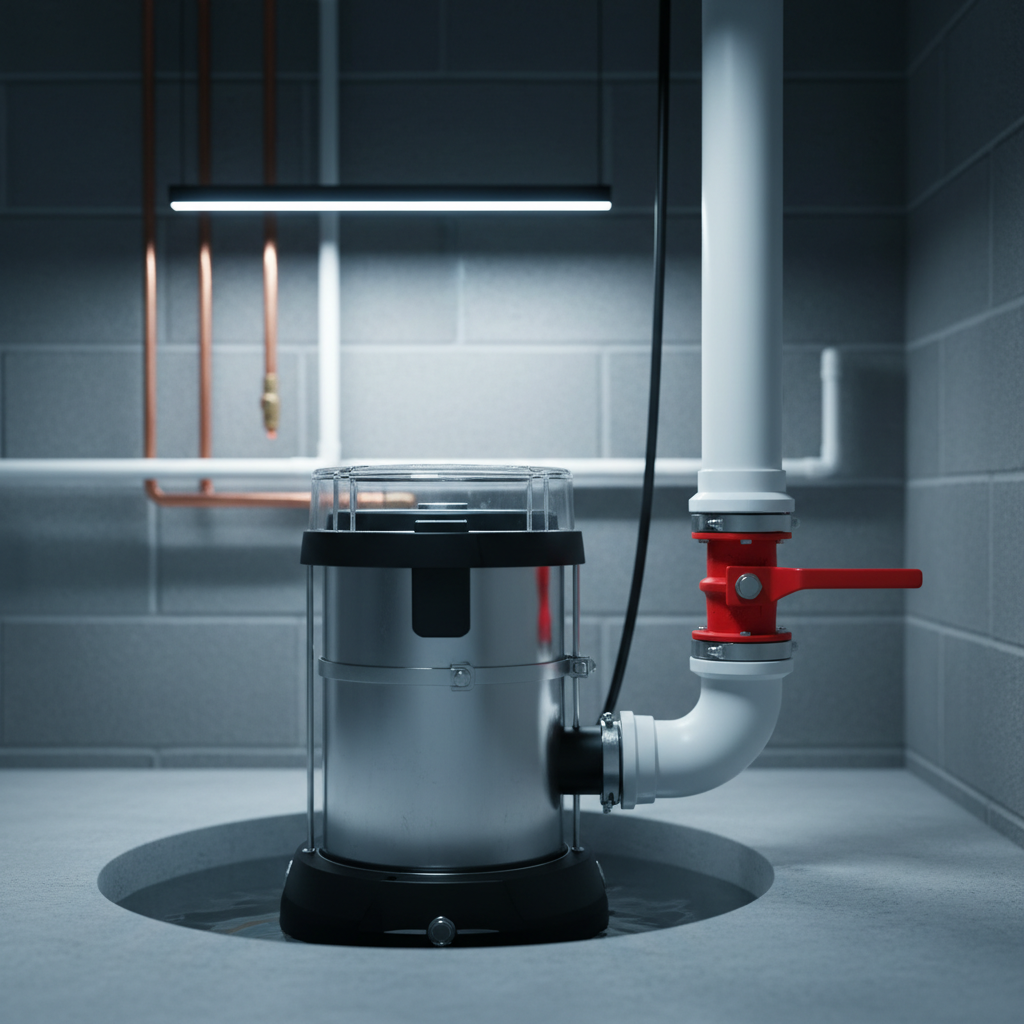
- Sewer backup: Responds when municipal systems are overwhelmed and wastewater enters your basement.
- Overland water: Covers surface water from heavy rain or overflow entering at or above ground level.
- Groundwater: Helps with water entering through foundation cracks and below‑grade walls.
- Tip: Ask your broker to map the three water protections to local floodplain and storm data.
Infrastructure and Systems
- Service line: Buried water, sewer, and power lines on your property—repair and excavation costs add up fast.
- Equipment breakdown: Sudden mechanical/electrical failure of HVAC, major appliances, and key home systems.
- Bylaw/ordinance: Funds the gap to rebuild to today’s code after a covered loss (vital for older housing).
Lifestyle and Liability
- Home‑sharing/rental: Coverage for short‑term guests or rented rooms.
- Scheduled valuables: Jewelry, bikes, collectibles—higher limits and no depreciation when itemized.
- Personal umbrella: Higher liability limits above home and auto to protect assets.
If you also rent or own a condo, see how coverage shifts on our tenant insurance page and category hub for home insurance resources.
Best Practices to Get Coverage Right
A few proactive moves can meaningfully improve claim outcomes.
Strengthen Water Readiness
- Install a backwater valve and test your sump pump (with battery backup) twice a year.
- Maintain eaves and grading to move water away from the foundation.
- Document the basement if it’s finished—photos and receipts help set appropriate limits.
Right‑Size Your Limits
- Dwelling limit: Base on rebuild costs, not market value.
- Contents sub‑limits: Schedule items that exceed jewelry, bike, tool, or art caps.
- Liability level: Consider an umbrella if you host frequently or have meaningful assets.
Simplify Renewal Decisions
- Bundle home and auto for potential value and underwriting flexibility—see our overview of insurance types in Canada.
- Ask for credits tied to alarms, new roofs, water sensors, and risk‑mitigation features.
- Request comparisons across our partner markets (Aviva, Intact, Economical, Echelon, Jevco, Premier).
Soft CTA: Considering a refresh? Our Whitby team can compare multiple Ontario insurers in one pass and flag smarter water and bylaw options before renewal.
Tools and Resources for Ontario Homeowners
Use these ideas to stay organized and accelerate claims.
- Digital home inventory: Capture room‑by‑room photos/videos and model/serial numbers; store in the cloud.
- Claim prep kit: Keep contractor contacts, appliance manuals, and policy declarations in one folder.
- Broker comparison sheet: Ask us for a side‑by‑side of water endorsements and sub‑limits by insurer.
- Learning hub: Browse our home insurance articles for plain‑English explainers.
- Homebuyer context: For due diligence on property condition, see this practical guide on property purchase pitfalls to avoid.
Local Tips
- Lake Ontario winds: South of Highway 401 toward the waterfront, confirm roof coverage and water endorsements due to gusty storms.
- Spring thaw timing: Test sump pumps and check backwater valves before March melt and April rains.
- Drop by Whitby: Bring inspection notes to 400 Dundas St E G‑T4A; we’ll align endorsements with your home’s age, roof type, and prior water history.
IMPORTANT: These tips reflect Durham Region weather and housing patterns we see in claims.
Ontario Scenarios and Mini Case Insights
Real‑world examples show how wording and endorsements play out.
Roof and Windstorm
- Whitby wind gusts: Spring storm lifts shingles and drives rain under the roof deck. With comprehensive form and replacement cost, like‑kind shingles and interior drywall repairs are covered.
- Follow‑on water: If the storm also overwhelms sewers and backs up into the basement, the sewer backup endorsement responds within its limit.
- Action: Ask us to review your wind/hail language and water bundle together—these claims often arrive as a pair.
Basement Water
- Oshawa backup: Heavy rain pushes wastewater into a finished rec room. Without the add‑on, the loss is typically excluded; with it, cleanup and materials are addressed up to the endorsement limit.
- Groundwater seepage: Seeps through hairline cracks over time—usually excluded unless specifically endorsed.
- Action: Map your home’s grade, downspouts, and sump capacity; add the relevant water endorsements.
Fire and Smoke
- Kitchen flare‑up in Pickering: Fire damages cabinetry; smoke affects adjacent rooms. Standard coverage applies to structure and contents, with ALE for a short hotel stay.
- Action: Keep photos of renovations; they help set the right dwelling limit and smooth claims.
Theft and Sub‑Limits
- Bike theft from Toronto garage: Covered, but a bicycle sub‑limit caps the payout unless scheduled.
- Action: Schedule high‑value bikes and jewelry to remove depreciation and raise limits.
Home‑Based Business
- Consultant in Markham: Laptops and specialty gear exceed personal policy sub‑limits; a home‑based business endorsement or commercial policy closes the gap.
- Action: Tell your broker if clients or deliveries visit your home—liability may need a boost.
Your 30‑Minute Policy Review Checklist
- Confirm policy form: Named‑perils or comprehensive; list major exclusions.
- Verify dwelling limit: Align with rebuild costs and recent improvements.
- Scan contents sub‑limits: Identify items to schedule (jewelry, bikes, tools, instruments).
- Audit water coverage: Note sewer backup, overland, groundwater, and their limits/deductibles.
- Settlement method: Ensure replacement cost on dwelling and key contents.
- Liability level: Consider an umbrella if you host, volunteer, or have teen drivers.
- Document updates: New roof, alarms, sensors, sump/backwater valve—ask about credits.
- Broker check‑in: Request a market comparison across our partner insurers.
Mid‑article CTA: Want a quick coverage tune‑up? We’ll map your policy to local risks and show options from multiple Ontario insurers—often in one friendly call.
Frequently Asked Questions
Does home insurance cover water in my basement?
It depends on the source. Burst pipes are often covered. Sewer backup and overland flood typically require endorsements. Check your declarations page for water coverages and their limits, and consider a bundled endorsement for sewer backup, overland water, and groundwater.
Am I covered if a tree falls on my house or fence?
Impact from falling objects is commonly covered, including tree damage during storms. Detached structures like fences may have different sub‑limits. Debris removal often has a separate cap. Photos, receipts, and quick notification help speed claims.
Is mold damage covered?
Sudden, accidental water incidents may include limited mold remediation, but long‑term or maintenance‑related mold is usually excluded. Dry affected areas quickly and document the cause; prevention makes the biggest difference.
Do I need special coverage to rent a room or host short‑term guests?
Yes. Most policies need a home‑sharing or rental endorsement for paying guests. Without it, claims linked to hosting may be denied. Tell your broker if you rent, even occasionally, so the right language is in place.
What’s different about condo and tenant insurance?
Condo policies focus on unit improvements, contents, ALE, and personal liability (plus loss assessment). Tenant policies protect your belongings, ALE, and liability. The building structure is handled by the condo corporation or landlord. Explore details on our home insurance hub.
Key Takeaways
- Understand the pillars: Dwelling, contents, ALE, and liability drive most outcomes.
- Expect exclusions: Overland water, sewer backup, earthquake, and wear/tear are common carve‑outs.
- Endorse where it counts: Water protection, service line, and bylaw are high‑impact add‑ons.
- Right‑size limits: Update dwelling and schedule valuables as your home evolves.
- Review annually: Weather, rebuild costs, and life changes mean coverage should evolve, too.
Conclusion & Next Steps
- Map your risks: Start with form (comprehensive), settlement (replacement cost), and water bundle.
- Personalize: Schedule valuables, add home‑sharing if you host, and consider an umbrella.
- Leverage local help: Our Whitby brokerage compares multiple Ontario insurers so you know exactly what’s covered—and what’s not.
Ready for a clear, customized plan? Visit us in Whitby or connect online. We’ll review your current policy, flag easy wins, and fine‑tune endorsements so your Ontario home insurance coverage fits real life.
Final CTA: Book a friendly coverage checkup in Whitby—bring your policy to 400 Dundas St E G‑T4A or schedule a call. We’ll make sure your protection matches your home.
Related Articles (Topics)
- Choosing water endorsements for finished basements
- Condo vs. home insurance: What changes
- Home‑sharing do’s and don’ts for coverage
- Service line coverage explained
- How to build a fast, digital home inventory