
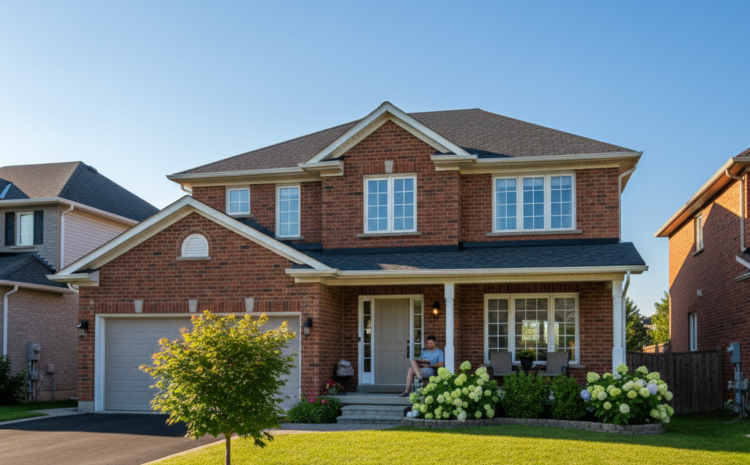
Compare Home Insurance in Ontario: Full Guide
To compare home insurance in Ontario, evaluate coverage limits, water protections, deductibles, exclusions, and claims support across multiple insurers. For Whitby homeowners, Chase Insurance Brokers consolidates options from top Canadian carriers to align with lender requirements and seasonal weather risks, then helps you match coverage to your home’s rebuild value and lifestyle.
By Chase Insurance Brokers Ltd. — Last updated: May 27, 2026
At a Glance
Ontario home insurance comparisons hinge on coverage depth, water endorsements, claims support, and rebuild value accuracy. Use a licensed broker to gather side-by-side quotes, confirm lender requirements, and tailor add-ons like sewer backup, overland water, and service line. Document upgrades and risk controls to unlock better eligibility and terms.
Here’s how this guide helps you move from vague quotes to a confident decision that fits your home, mortgage, and daily life:
- Defines the parts of a policy you should weigh side by side
- Compares broker, direct insurer, captive agent, and marketplaces
- Highlights Ontario-specific water and weather considerations
- Includes a quick comparison table and a step-by-step checklist
- Shares how we compare quotes for Whitby and GTA homeowners
In our experience working with households across Ontario, the biggest wins come from tightening the home’s rebuild value estimate, right-sizing water protection, and documenting risk improvements (alarms, sump, backwater valve) so underwriters see the full picture.

Quick Comparison Table: Ways to Compare Home Insurance in Ontario
The fastest way to compare home insurance in Ontario is to line up channels—broker, direct insurer, captive agent, and online marketplace—by coverage breadth, claims support, and underwriting flexibility. Use this table to decide how to gather quotes and which path best fits your home, timeline, and preferences.
Use this side-by-side to choose your path before you spend time filling forms. Each channel has a role; the right one depends on your home, risk profile, and how much guidance you want.
| Comparison Path | Best For | Strengths | Watch Outs | Claims Support |
|---|---|---|---|---|
| Licensed Broker (Chase) | Most homeowners; complex risks; bundling | Multiple insurers, advice, tailored endorsements | More questions upfront to get it right | Guidance pre- and post-claim |
| Direct Insurer | Straightforward homes, brand loyalty | Simple process with one company | Fewer choices; eligibility gaps = dead ends | Carrier handles directly |
| Captive Agent | One-carrier fit; relationship focus | Personal service within one market | Limited alternatives if declined | Agent helps with that carrier |
| Online Marketplace | Speed shoppers, early research | Quick quote collection | Surface-level matching; details come later | Varies—often hands-off |
Tip: If a marketplace shows a tempting option but your home has unique features (older plumbing, finished basement, short-term rentals), run it past a broker to verify eligibility and the availability of key endorsements before you commit.
Our Top Pick: Work With an Ontario Insurance Broker
A licensed Ontario broker, like Chase Insurance Brokers in Whitby, compares multiple insurers at once, aligns coverage with your lender’s requirements, and calibrates water endorsements to local risk. You save time and reduce blind spots because one advisor organizes quotes, explains differences, and helps if a claim occurs.
When you want depth—not just speed—brokers shine. We gather competitive options from markets such as Aviva, Intact, Economical, Echelon, Jevco, and Premier, then explain what changes between policies: water coverages, outbuilding limits, special limits (jewelry, bikes), and deductibles. Our role is to spot gaps early and tailor the policy to your home and habits.
- Rebuild value accuracy: We validate square footage, finishes, and upgrades so your dwelling limit matches a realistic replacement scenario.
- Water protection layers: We align sewer backup, overland water, and groundwater endorsements to your basement and local drainage realities.
- Documentation and eligibility: Photos of sump pumps, backwater valves, alarms, and recent updates improve outcomes during underwriting.
- Claims advocacy: If something goes wrong, you’re not alone—we help you navigate next steps and timelines.
For a deeper walk-through of what to capture before quoting, use our internal home insurance checklist. If you’re exploring ways to maximize value, our best home insurance overview outlines selection criteria we use daily.

Whitby homeowners: a quick, friendly start
- Prefer a conversation? We’ll gather your details in minutes and do the comparison work.
- Need clarity on water add-ons? We’ll map them to your basement setup and neighborhood drainage patterns.
- On a tight closing timeline? We coordinate with your lender so binders and proof of insurance arrive on time.
Context matters. If you’re weighing a townhouse vs. a detached, or deciding whether to finish a basement, we’ll outline how those choices influence eligibility and endorsements in Ontario.
Other Smart Options Compared (Entries #2–10)
Beyond working with a broker, you can compare home insurance through direct insurers, captive agents, and marketplaces, plus specialty paths for condos, landlords, and high-value homes. Each option trades breadth for speed or brand familiarity; know the trade-offs before you lock in your policy.
2) Direct Insurers
Direct insurers sell straight to consumers. If your home is newer and straightforward, this can be a fast path to a single quote.
- Why consider: Simple intake, one portal, brand continuity.
- What you give up: No cross-market comparison; if declined, you restart elsewhere.
- Example scenario: A recently built detached in Whitby with standard updates and no prior claims may fit neatly.
- Action: If you try a direct path, ask for endorsements in writing and compare the declarations page to a brokered quote before binding.
3) Captive Agents
Captive agents represent one carrier. You’ll get personal guidance similar to a broker, but solutions exist only within their company’s appetite.
- Why consider: Relationship continuity; local insight for one carrier.
- What you give up: If your risk shifts (e.g., renovations, claims), switching may require starting over.
- Action: Request written confirmation of water coverage scope and any basement exclusions to avoid surprises.
4) Online Marketplaces
Marketplaces collect basic info and surface multiple options quickly. They’re useful for early-stage research.
- Why consider: Fast scan of potential carriers.
- What you give up: Nuance. Complexities like finished basements, short-term rentals, or custom work often require deeper underwriting.
- Action: Treat marketplace quotes as ballpark. Confirm details with a broker before you rely on them for closing.
5) Mortgage Lender Programs
Some lenders suggest or streamline insurance options at closing. The convenience is real, but it’s still one path—not necessarily the best fit for your risk profile.
- Why consider: Coordinated paperwork; easier proof-of-insurance.
- What you give up: Comparison across markets; flexibility if your home has unique features.
- Context: Mortgage closings involve several moving parts; review any insurance clause alongside independent guidance. For a primer on closing items, see these Ontario closing considerations.
6) Bank or Credit Union–Affiliated Options
Some financial institutions partner with insurers or brokers. It’s convenient if you want fewer logins and consolidated billing.
- Why consider: One relationship across banking and insurance tasks.
- What you give up: The partner’s panel may be narrower than a fully independent broker’s market access.
- Action: Ask to see at least two alternatives in writing so you understand what you’re trading off.
7) High-Value Home Markets
Custom homes, heritage features, and premium finishes warrant carriers and endorsements designed for elevated rebuild costs and unique materials.
- Why consider: Broader special limits, flexible rebuild provisions, and risk inspection support.
- What you give up: Intake is more detailed; carriers want to understand craftsmanship, updates, and protections.
- Action: Document materials and recent work with photos and receipts—this speeds underwriting and aligns limits to reality.
8) Condo and Townhome Coordination
Condo insurance must work with the corporation’s master policy. You’ll want clarity on standard unit vs. improvements and how deductibles are handled.
- Why consider: Properly coordinating the personal condo policy with the building’s rules avoids gaps.
- Resource: New to unit coverage? Start with our guide to tenant and unit considerations to learn the language before quoting.
- Action: Request your condo declaration and bylaws so endorsements match the building’s obligations.
9) Landlords and Rental Properties
Landlord (rental property) insurance differs from an owner-occupied policy. Eligibility, inspections, and loss-of-rent provisions can vary widely.
- Why consider: Purpose-built coverage for tenant-related exposures and vacancy rules.
- Resource: If you rent out a property, see our rental property guide for coverage components that matter.
- Action: Disclose tenant type, lease terms, and updates (locks, detectors) so terms reflect real risk.
10) New Builds and Warranty Considerations
New construction can simplify eligibility but don’t overlook finishes, outbuildings, or future basement plans. Your first-year choices shape water protections for years.
- Why consider: Aligned coverage from day one avoids retrofit hassles later.
- Action: Capture all builder specs and any post-closing upgrades; keep photos and invoices to validate materials in case of a claim.
- Context: Market value is not rebuild cost. Learn the distinction to set the right dwelling limit; see this explainer on home value vs. features for perspective.
How to Compare Home Insurance in Ontario (Step-by-Step)
To compare home insurance in Ontario, collect your home details, set a target rebuild value, decide on water endorsements, and request aligned quotes from multiple insurers. Review declarations and wordings line by line, then confirm lender requirements and proof of insurance timelines before binding.
Step 1 — Gather the right details
- Square footage, year built, roof/HVAC/plumbing updates
- Basement finish, sump pump, backwater valve, alarm/monitoring
- Outbuildings, special collections, bicycles, and valuables
Capture clear photos of upgrades and risk controls. In our files, thorough documentation consistently leads to smoother underwriting and clearer terms.
Step 2 — Calibrate rebuild value
- Rebuild value differs from market value; it reflects materials and labor to restore your home.
- Account for finishes and custom work; note exterior structures and unique features.
If you’re new to this distinction, review our perspective piece on getting cheaper Ontario home coverage—we explain why accurate valuations help both eligibility and long-term peace of mind.
Step 3 — Decide on water protections
- Sewer backup, overland water, groundwater—select the mix that fits your basement and local drainage patterns.
- Check limits and the definition of each peril; endorsements vary by insurer.
Ontario’s freeze–thaw seasons and summer storms place water at the center of most homeowner conversations. Matching endorsements to basement realities is one of the best decisions you can make.
Step 4 — Compare aligned quotes
- Ensure deductibles, limits, and endorsements match before you compare price or service.
- Read special limits (jewelry, bikes, collectibles) on the declarations page.
We routinely line up two to four comparable options so you can weigh claims reputation, wordings clarity, and endorsement scope—not just a single number on a page.
Step 5 — Confirm lender requirements and bind
- Share mortgagee details early; align binder issuance with closing milestones.
- Ask about e-document delivery, app access, and renewal timelines.
For background on closing-day documents and timing, see this overview of Ontario mortgage closing items. Once bound, store digital copies and keep photos of major updates in the same folder.
Ontario Home Insurance Buying Guide (Coverage Deep Dive)
A strong Ontario home policy pairs accurate rebuild value with tailored endorsements—especially water protections. Review exclusions, special limits, deductibles, and claims duties. Then document upgrades and risk controls to support eligibility and secure wordings that reflect how you actually live in the home.
Coverage components that matter
- Dwelling: Replacement cost provisions and extension limits.
- Other structures: Garages, sheds, fences—ensure limits reflect reality.
- Personal property: Replacement terms and special limits.
- Additional living expense: Where you’ll stay during repairs.
- Personal liability: Lawsuits, medical payments, defense.
Water endorsements (Ontario focus)
- Sewer backup: Protects against drain/sewer overflows damaging basements.
- Overland water: Surface water from heavy rain or melting snow causing entry.
- Groundwater: Seepage through foundation; availability varies.
- Service line: Buried utility line failures on your property.
Because many basements are finished or used for storage and rec spaces, aligning these endorsements with your setup is essential for stress-free living after a storm.
Documents that speed underwriting
- Recent upgrade receipts: roof, electrical, plumbing, HVAC
- Photos: sump pump, backwater valve, alarms/monitoring
- Condo bylaws or HOA rules (for attached or condo units)
- Mortgagee details and closing date milestones
When working with clients in Whitby, we’ve found that organized documentation shortens back-and-forth and helps capture endorsements in the first version of the quote.
Local considerations for Whitby
- Spring thaw and heavy rain can challenge drainage. Prioritize sewer backup and consider overland water if your basement is finished.
- Winter freeze–thaw cycles increase ice dam risk. Validate roof condition and insulation when setting deductibles and endorsements.
- Summer storms and wind events vary year to year. Keep photos of exterior structures so limits reflect current setups.
For broader context on how real estate inputs and homeowner decisions interact, here’s a perspective on Ontario home transaction dynamics. Use it as background while you focus your policy on actual rebuild realities rather than just market value.
Frequently Asked Questions
Ontario homeowners compare policies best by standardizing details, matching water endorsements to the basement, and reviewing special limits and deductibles line by line. A broker organizes this and helps issue proof of insurance on your closing timeline.
What should I standardize before I compare home insurance quotes?
Use the same rebuild value, deductible, liability limit, and water endorsements across all quotes. Align special limits (like jewelry or bicycles) and confirm identical additional living expense provisions. Standardizing avoids apples-to-oranges results and reveals true differences in coverage and service.
How do I choose between a broker, a direct insurer, and an online marketplace?
Pick based on complexity and guidance needs. Brokers compare multiple insurers and tailor endorsements. Direct insurers suit straightforward homes if you prefer one brand. Marketplaces are fast for early research but often lack underwriting detail. Many homeowners start with a broker for depth, then confirm with a second option.
Do I need sewer backup and overland water coverage in Ontario?
If you have a basement—finished or used for storage—sewer backup is usually a wise addition. Overland water is valuable where surface water from heavy rain or melt is plausible. Choose limits that reflect what’s in your basement and your local drainage realities; availability varies by insurer.
Is market value the same as rebuild value?
No. Market value reflects what buyers will pay, including land and neighborhood dynamics. Rebuild value reflects the cost to reconstruct your home with similar materials and labor. Set dwelling limits to the rebuild figure; that’s what matters for claims and eligibility.
Our Comparison Methodology
We standardize inputs (rebuild value, deductibles, endorsements), collect multiple insurer quotes through licensed markets, and validate wordings and special limits line by line. Then we align results with lender requirements and your closing timeline, documenting choices for smooth renewals.
Here’s how we run comparisons for Ontario homeowners, including Whitby clients who need binders on tight timelines:
- Discovery: Gather property facts, updates, and photos. Identify key exposures, especially water and liability.
- Standardize: Fix target limits and endorsements so results are comparable across markets.
- Market sweep: Request aligned quotes from our partner insurers and shortlist the best wordings.
- Explain and decide: Review differences, confirm lender needs, select your policy, and schedule proof of insurance.
- After binding: Store e-docs, set reminders for major updates, and keep photos of improvements for future renewals.
If you’re comparing options because you’re moving or refinancing, this primer on Ontario closing timelines offers context. We’ll coordinate insurance documents so there are no last-minute surprises.
Wrap-Up and Next Steps
Compare home insurance in Ontario by standardizing details, right-sizing water endorsements, and weighing brokered breadth against single-brand speed. A broker organizes quotes, explains differences, and helps with claims—turning a confusing task into a confident decision aligned with your home and mortgage.
- Key takeaways: Align quotes, confirm water protections, and match dwelling limits to realistic rebuild value.
- Action now: Collect photos and upgrade notes, then request a brokered comparison so you see true like-for-like options.
- Learn more: Explore our cheaper coverage guide and our Ontario checklist for a smooth quoting experience.
Ready to compare? Share your details once and we’ll organize multiple insurer options, explain the differences clearly, and coordinate proof of insurance with your lender—so closing day stays calm.